Marble Mountains, Da Nang
Cave, Historic Site and Mountain in Da Nang
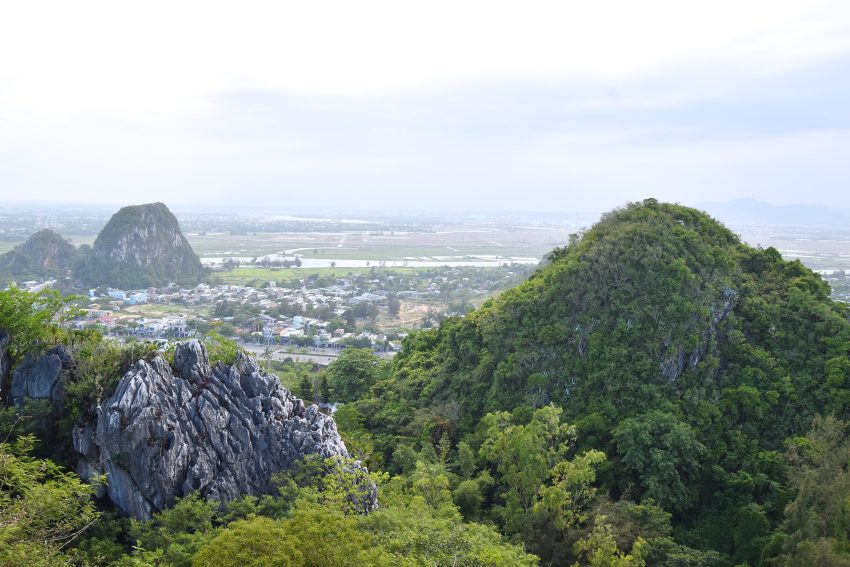
The Marble Mountains rise dramatically from the flat coastal plain of central Vietnam, creating a striking landscape where mythology, geology, and spirituality come together. This cluster of marble and limestone hills has long been one of the top attractions in Da Nang, drawing travelers who want to experience peaceful pagodas, atmospheric caves, and sweeping views of the sea. It is also a great place to visit on a tour around Da Nang, thanks to its easy accessibility and rich cultural layers.
Beyond their beauty, the Marble Mountains feel deeply alive with centuries of stories. Local legends tell of gods, spirits, and elemental forces shaping these hills, each named after one of the five universal elements. As you climb the steps and wander through dimly lit grottoes, the mix of incense, echoing chambers, and shafts of light makes every turn feel like stepping into another world. This spot is one of the best places to see in the Marble Mountains for travelers looking to immerse themselves in Vietnam's spiritual heritage.
Table of Contents
- History and Significance of The Marble Mountains
- Things to See and Do in The Marble Mountains
- How to Get to The Marble Mountains
- Practical Tips on Visiting The Marble Mountains
- Where to Stay close to The Marble Mountains
- Is The Marble Mountains Worth Visiting?
- FAQs for Visiting The Marble Mountains
- Nearby Attractions to The Marble Mountains
History and Significance of The Marble Mountains
The Marble Mountains have been a place of worship, refuge, and pilgrimage for centuries. Early Cham people considered these hills sacred, carving spiritual symbols into the cave walls long before Vietnamese kingdoms built temples and pagodas here. The site later became an important Buddhist center, and many of the shrines and statues you see today were added during the Nguyen Dynasty.
During wartime, the mountains also served as strategic lookout points and hiding places. Some caves once sheltered soldiers and provided natural vantage spots over the coastline. Today, the historical layers remain visible, adding depth to the serene spiritual atmosphere. Visitors can still see remnants of older carvings and architectural details that show how the mountains evolved as a sacred and cultural hub.
Things to See and Do in The Marble Mountains
Thuy Son, the largest and most visited of the five mountains, offers the most to explore. Its network of pathways leads to pagodas, viewpoints, and caves, each with its own character. Huyen Khong Cave is one of the must-see places in Da Nang, famous for its dramatic light beams shining through the ceiling and illuminating Buddha statues. The peaceful shrines inside make it a beautiful blend of nature and spirituality.
You can also climb to several viewing platforms where sweeping panoramas stretch across Non Nuoc Beach, the Son Tra Peninsula, and the sprawl of Da Nang city. These spots are especially breathtaking at sunrise or late afternoon when the light softens over the landscape. For those who enjoy quieter corners, hidden grottoes and smaller temples offer a meditative escape from crowds.
Another highlight is exploring the marble-carving village at the foot of the mountains. Artisans here have been producing intricate statues and handicrafts for generations. Visiting the workshops gives travelers a deeper appreciation of the craftsmanship traditionally associated with the region, and it’s a great place to find meaningful souvenirs carved from local stone.
How to Get to The Marble Mountains
Reaching the Marble Mountains from Da Nang is straightforward, whether you are traveling independently or as part of a tour. The nearest major airport is Da Nang International Airport, located about 15 minutes away by car. For the best deals and a seamless booking experience, check out these flights to Da Nang on Booking.com.
There is no direct train station at the Marble Mountains, but travelers arriving in Da Nang by rail can easily take a taxi or ride-hailing service from Da Nang Railway Station to the site. Train schedules and bookings can be found on Omio.
Traveling by car is simple, with plenty of parking available around the entrance area. The route from central Da Nang or Hoi An is easy to follow along the coastal road.
Practical Tips on Visiting The Marble Mountains
- Best time to visit The Marble Mountains: Early morning or late afternoon for cooler temperatures and softer light.
- Entrance fee in Euros: Expect around 1-2 EUR depending on viewpoints and elevator use.
- Opening hours: Generally from early morning until late afternoon, though cave lighting varies throughout the day.
- Official website: Information is typically available through Da Nang tourism portals.
- How long to spend: Allow 2-3 hours to explore caves, temples, and viewpoints comfortably.
- Accessibility: Some areas offer elevator access, but many sections require climbing stairs.
- Facilities: Ticket booths, rest areas, small shops, and restrooms are available near the main entrance.
- Photography tip: The best light inside Huyen Khong Cave falls around midday when sunbeams enter from above.
- Guided tours: Local guides offer context on history, legends, and hidden shrines.
- Nearby food options: Small local eateries and cafés line the streets near the entrance.
Where to Stay close to The Marble Mountains
Staying near the Marble Mountains offers a peaceful alternative to the busy city center, especially if you want quick access to the beaches and coastal viewpoints. Many travelers choose the coastal hotel strip between Da Nang and Hoi An, where you'll find a wide range of resorts and boutique stays. Consider Hyatt Regency Danang Resort and Spa for beachfront convenience and easy access to the mountains. For a more boutique-style stay, Melia Danang Beach Resort offers calm surroundings with sea views. Budget travelers might prefer Sandy Beach Non Nuoc Resort, which sits very close to the entrance and offers excellent value.
Is The Marble Mountains Worth Visiting?
The Marble Mountains are absolutely worth visiting, especially for travelers who want to combine nature, spirituality, history, and panoramic scenery in one stop. Between the caves, temples, mountain paths, and artisan workshops, the experience feels both peaceful and culturally rich. Whether you're exploring Da Nang, heading toward Hoi An, or simply looking for a memorable half-day adventure, this is a place that leaves a lasting impression.
What Other Travellers Say...

The Marble Mountains, at 81 Huyền Trân Công Chúa in Ngũ Hành Sơn, Đà Nẵng, are a network of five marble and limestone hills featuring multiple caves, pagodas, temples, shrines and scenic outlooks; visitors describe dramatic stone formations, large, well-lit caves that feel otherworldly, and rewarding panoramic views from peaks such as the River Watching Tower. Entry is noted as good value (about 40,000 VND) and there's an elevator to the first level for an additional fee if you prefer to avoid steep, uneven steps; allow a couple of hours to explore up to Huyen Khong Cave, bring sturdy shoes, and be aware motorcycle parking can be awkward with nearby craft shops offering to watch bikes but pressuring purchases.


FAQs for Visiting The Marble Mountains
Nearby Attractions to The Marble Mountains
- Non Nuoc Beach: A long stretch of soft sand ideal for swimming and relaxing.
- Son Tra Peninsula: Home to the Linh Ung Pagoda and stunning coastal viewpoints.
- My Khe Beach: One of Da Nang's most famous beaches with great waves and cafés.
- Cham Museum: A rich collection of Cham sculptures and historic artifacts.
- Hoi An Ancient Town: A UNESCO-listed old town filled with lantern-lit streets and riverside charm.
The Marble Mountains appears in our Complete Guide to Visiting Da Nang!

Moira & Andy
Hey! We're Moira & Andy. From hiking the Camino to trips around Europe in Bert our campervan — we've been traveling together since retirement in 2020!
This website uses affiliate links which may earn a commission at no additional cost to you!
Planning Your Visit
Nearby Attractions
- My Khe Beach (6.7) km
Beach - Dragon Bridge (7.4) km
Bridge - Han River Waterfront (7.6) km
Promenade - Cham Museum (7.7) km
Museum - Da Nang Cathedral (8.3) km
Cathedral - Han Market (8.4) km
Market - Da Nang International Airport (8.9) km
Airport - Son Tra Peninsula (10.8) km
Historic Site and Viewing Point - An Bang Beach (12.9) km
Beach - Confucian Temple (15.1) km
Buddhist Temple