Gozo Aqueduct, Victoria (Rabat), Gozo
Aqueduct in Victoria (Rabat), Gozo
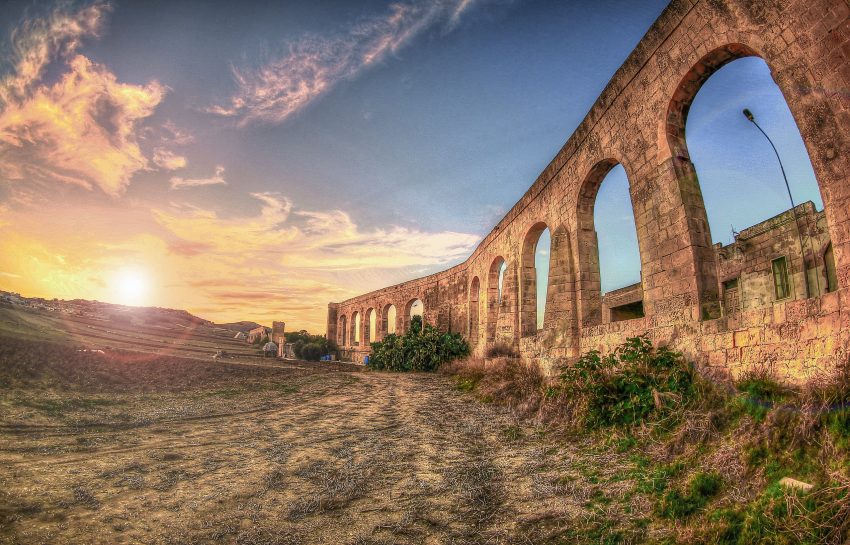
The Gozo Aqueduct is one of those places you can pass a dozen times without realizing what you're looking at-until you stop, step off the road, and let your eyes follow the rhythm of arches stretching across the countryside. Just outside Victoria (Rabat), the remaining sections rise from the fields like a low stone procession, a reminder of the practical problems that once shaped everyday life on the island.
What makes it special is how effortlessly it fits into a day in town: you can pair it with the Citadel and still have time for a long lunch, making it one of the things to see in Victoria if you like places that feel local and unpolished. It also slips neatly into a walking tour of Victoria, especially if you want to trade museum rooms and busy streets for open skies and quiet lanes.
Table of Contents
- History and Significance of the Gozo Aqueduct
- Things to See and Do in the Gozo Aqueduct
- How to Get to the Gozo Aqueduct
- Practical Tips on Visiting the Gozo Aqueduct
- Where to Stay Close to the Gozo Aqueduct
- Is the Gozo Aqueduct Worth Visiting?
- For Different Travelers
- FAQs for Visiting Gozo Aqueduct
- Nearby Attractions to the Gozo Aqueduct
History and Significance of the Gozo Aqueduct
Built under British administration between 1839 and 1843, the Gozo Aqueduct was designed to solve a basic but urgent challenge: moving fresh water from springs near Kerċem to Victoria. Before modern piping and pumps made the job invisible, this kind of infrastructure had to be bold, physical, and dependable-something you could literally trace across the landscape.
The aqueduct once fed reservoirs near the Citadel and helped steady water supply for the island’s growing needs. Over time, sections collapsed and the system became obsolete, but the surviving arches still carry that sense of purpose: they are not decorative ruins, but a public works project turned landmark.
In recent years, attention has returned to the structure through stabilization and restoration planning, which matters because what remains is fragile. Visiting now isn’t just about looking at old stone-it’s about recognizing how engineering, geography, and daily life intersected on a small island where resources were never taken for granted.
Things to See and Do in the Gozo Aqueduct
Start with the obvious pleasure: walk along the roadside and look for the best angle where the arches frame the fields and the low hills beyond. The aqueduct photographs beautifully in warm light, and the scene changes quickly with the seasons-green in spring, sun-bleached in summer, and crisp-edged under winter skies.
If you enjoy slow travel, treat the aqueduct as a mini countryside break from Victoria. A short stroll around the area gives you a feel for Gozo's agricultural landscape, and the quiet makes it easy to imagine how significant this route once was when water had to be guided, not pumped.
To give the visit extra context, combine it with time at the Citadel, where you can look for the broader water story around the town’s historic defenses and reservoirs. The contrast is the point: fortified city above, working landscape below, and the aqueduct linking the two.
How to Get to the Gozo Aqueduct
Most travelers arrive via Malta International Airport (MLA) on the main island of Malta. For the best deals and a seamless booking experience, check out these flights to Victoria (Rabat), Gozo on Booking.com. From there, you'll typically head to the Ċirkewwa ferry terminal, cross to Mġarr (Gozo), and continue onward to Victoria, which is the island's main transport hub.
Gozo has no railway system, so trains are not part of the journey here.Train schedules and bookings can be found on Omio. By bus, aim for routes that run through Victoria and toward Kerċem or the westbound road out of town; once you're close, it's often easiest to hop off in Victoria and walk the final stretch along the main road for a clearer sense of place.
If you have a car, the easiest approach is to head west out of Victoria on Triq Il-Papa Ġwanni Pawlu II toward Kerċem; the arches become visible as you leave town. If you're driving, treat this as a short pull-over style stop and be mindful of traffic and sightlines on the road.
Practical Tips on Visiting the Gozo Aqueduct
- Entrance fee: Free
- Opening hours: 24 Hours
- Official website: https://culturalheritagegozo.gov.mt/project/the-restoration-of-the-aqueducts/
- Best time to visit: Late afternoon is ideal for softer light on the stone and fewer cars passing, while early morning feels especially quiet and rural.
- How long to spend: Plan 15-30 minutes for a simple stop, or up to an hour if you want a relaxed walk and multiple photo angles.
- Accessibility: The viewing is straightforward from the roadside, but surfaces can be uneven once you step off-pavement into the fields.
- Facilities: There are no on-site facilities, so use cafés and restrooms in Victoria before you come.
Where to Stay Close to the Gozo Aqueduct
For a culture-heavy itinerary, base yourself in central Victoria near the Citadel; for seaside downtime and evening promenades, Marsalforn or Xlendi usually fit better.
If you want to be perfectly placed for the island’s main sights and an easy start to your days, The Duke Boutique Hotel is a strong central pick with a walkable, in-the-middle-of-everything feel. For a characterful stay right under the Citadel’s presence, Casa Gemelli Boutique Guesthouse keeps you close to historic streets and small local restaurants.
If you prefer something quieter on the edge of town with a more relaxed, adults-focused vibe, Aqueduct Boutique Hotel puts you in a calm setting while still keeping Victoria within easy reach.
Is the Gozo Aqueduct Worth Visiting?
Yes-especially if you enjoy small, atmospheric stops that add texture to a trip. It’s free, quick, and surprisingly photogenic, and it offers a satisfying “ah, so that’s how it worked” moment that complements Gozo’s better-known churches, citadel walls, and coastal viewpoints.
It’s also a good choice when you want something low-effort between bigger plans: the aqueduct feels like a gentle palate cleanser after museums or before a coastal afternoon. Even if you only give it 20 minutes, you’ll leave with a clearer sense of how closely island life was tied to infrastructure and water.
What Other Travellers Say...

Gozo Aqueduct, located on Triq Il-Papa Ġwanni Pawlu II in Kerċem, is a set of ruined British-era aqueduct structures that make for an interesting roadside sight; visitors note a pleasant view and say it's worth a quick stop if you pass by but not a destination to go out of your way for, with some mentioning parts have collapsed while others appreciate seeing the remaining arches from nearby drives or tours.


For Different Travelers
Families with Kids
If you’re traveling with kids, the aqueduct works best as a short “stretch your legs” stop rather than a long history lesson. Turn it into a quick scavenger hunt: count the arches, spot farm animals, and see who can find the best photo frame through the stone.
Pair it with a more interactive follow-up in Victoria, like the Citadel's wide-open spaces where children can move around without the pressure of quiet galleries. Bring water and snacks, because there's nothing on-site and the countryside sun can feel stronger than you expect.
Couples & Romantic Getaways
For couples, this is a simple, scenic detour with a quietly cinematic feel-stone arches, open fields, and big skies that make even a short walk feel like a moment. Aim for golden hour, when the limestone warms up and the landscape looks its most textured.
It also pairs nicely with a slow evening back in Victoria for dinner, or a short drive to the coast for sunset. The charm here is its understatement: no crowds, no ticket desk, just a place that invites you to slow down.
Budget Travelers
The aqueduct is a budget traveler's dream: free to visit, easy to reach from Victoria, and satisfying even if you're planning a low-cost day on foot. If you're counting euros, combine it with a self-guided wander around Victoria's historic core for a full morning of sightseeing without paid admissions.
Bring what you need with you-water, sunscreen, and a light layer if it's breezy-so you're not forced into a café stop at the wrong time. If you're relying on buses, keep your plan flexible and treat the walk from Victoria as part of the experience.
History Buffs
History lovers will appreciate that this isn’t “ancient” Gozo, but it is deeply revealing: the aqueduct is a visible imprint of the British period and a reminder that modern life arrived in phases, not all at once. It’s a public works story you can read directly in the landscape, which makes it unusually satisfying.
To deepen the context, link it mentally to Victoria’s defensive geography and older water storage needs around the Citadel area. The aqueduct becomes more interesting when you see it as a bridge between eras-traditional spring-fed survival and the modern systems that replaced it.
FAQs for Visiting Gozo Aqueduct
Getting There
Tickets & Entry
Visiting Experience
Tours, Context & Itineraries
Photography
Accessibility & Facilities
Food & Breaks Nearby
Safety & Timing
Nearby Attractions to the Gozo Aqueduct
- The Cittadella (Victoria): Gozo's iconic hilltop fortress with panoramic views and layered history inside its walls.
- Gozo Cathedral (Victoria): A serene baroque cathedral within the Citadel complex, ideal for a quiet architectural pause.
- Ta’ Pinu Sanctuary: A landmark basilica in open countryside with a powerful sense of place and sweeping views.
- Dwejra Bay: A dramatic coastal landscape known for rugged geology and some of Gozo’s most memorable seascapes.
- Xwejni Salt Pans: Geometric coastal salt pans that make for a scenic walk and excellent photos near the sea.
The Gozo Aqueduct appears in our Complete Guide to Visiting Victoria (Rabat), Gozo!

Moira & Andy
Hey! We're Moira & Andy. From hiking the Camino to trips around Europe in Bert our campervan — we've been traveling together since retirement in 2020!
This website uses affiliate links which may earn a commission at no additional cost to you!
Planning Your Visit
24 Hours
Free
Nearby Attractions
- The Old Prison (1.0) km
Historic Building - Gozo’s Citadel (Ċittadella) (1.0) km
Castle - Gozo Museum of Archaeology (1.0) km
Museum - Gozo Cathedral (1.0) km
Cathedral - Cathedral Museum (1.0) km
Museum - Ta’ Pinu Basilica, Gozo (1.9) km
Basilica - Dwejra Watchtower (3.3) km
Tower - Wied il-Għasri (3.3) km
Beach and Valley - Ta' Kola Windmill (3.4) km
Windmill - Ggantija Temples (3.5) km
Historic Site