Cappella Sansevero, Naples
Church in Naples
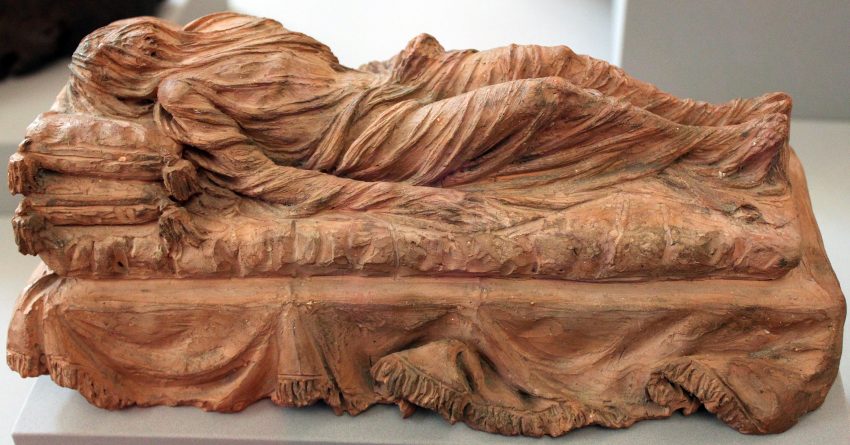
Hidden in the narrow streets near San Domenico Maggiore, the Cappella Sansevero (Chapel of Santa Maria della Pietà) is one of the top attractions in Naples for travelers who love art with a touch of mystery. From the outside it looks almost unassuming, but once you step inside you are surrounded by glowing marble, coloured marbles, symbolism, and one of the most mind-boggling sculptures ever created: the Veiled Christ. The chapel was originally commissioned in 1590 by John Francesco di Sangro after recovering from a serious illness, and over the centuries it evolved from a private family chapel into a spectacular theatrical stage for faith, philosophy, and family legacy.
By the mid-18th century, under Raimondo di Sangro, Prince of Sansevero, the chapel reached its current form. Raimondo wasn't just a nobleman; he was a polymath, inventor, and Freemason, and he turned the chapel into a manifesto of ideas, commissioning nearly thirty masterpieces and weaving Masonic and esoteric symbols into the architecture and decoration. Today, the Cappella Sansevero is a highlight of any walking tour of Naples, a place where religious devotion, Enlightenment curiosity, and artistic genius all meet under a painted ceiling of paradise.
Table of Contents
- History and Significance of the Cappella Sansevero
- Things to See and Do in the Cappella Sansevero
- How to Get to the Cappella Sansevero
- Practical Tips on Visiting the Cappella Sansevero
- Where to Stay close to the Cappella Sansevero
- Is the Cappella Sansevero Worth Visiting?
- FAQs for Visiting Cappella Sansevero
- Nearby Attractions to the Cappella Sansevero
History and Significance of the Cappella Sansevero
The story of the chapel begins in 1590, when John Francesco di Sangro, Duke of Torremaggiore, ordered its construction in gratitude for his recovery from illness. At that time, it stood within the gardens of the Sansevero family residence, Palazzo Sansevero, and was closely tied to the life and fortunes of the dynasty. In 1613 Alessandro di Sangro transformed the building into a family burial chapel, creating a space where spirituality, commemoration, and social status intertwined.
Over the following centuries, the chapel evolved along with the family. It became popularly known as Pietatella thanks to a depiction of the Virgin Mary, La Pietà, and the name was cemented by Cesare d'Engenio Caracciolo's 1623 work “Napoli Sacra”. The link to the family palace was both literal and symbolic: until 1888 a passageway connected Cappella Sansevero directly to Palazzo Sansevero, allowing the aristocratic household to move between residence and burial space without stepping into the street.
Raimondo di Sangro, the seventh Prince of Sansevero, reshaped the chapel in the mid-18th century into the masterpiece we see today. A brilliant and controversial figure, he commissioned extraordinary sculptures, redesigned the interior with strong symbolic and Masonic themes, and even experimented with new materials and techniques. Under his guidance, the chapel became not just a family mausoleum but a kind of stone-and-marble philosophy, expressing ideas about truth, illusion, death, and liberation.
Things to See and Do in the Cappella Sansevero
Most visitors come for one sculpture and leave astonished by all of them. The Veiled Christ (Cristo Velato) by Giuseppe Sanmartino, completed in 1753, sits at the visual and emotional centre of the chapel. Christ lies under a marble shroud so delicate that veins, facial features, and even slight folds in the fabric seem almost real. The work was influenced by Antonio Corradini’s veiled figures, yet Sanmartino took the concept to an unparalleled level, making the stone veil appear impossibly translucent.
Nearby you will find two other celebrated statues that deepen the chapel’s themes. The Veiled Truth (Pudicizia) by Antonio Corradini, created in 1752 as a monument to Raimondo’s mother Cecilia Gaetani dell’Aquila d’Aragona, portrays a female figure swathed in an ethereal veil, symbolising modesty and the elusive nature of truth. The Release from Deception (Disinganno) by Francesco Queirolo, dedicated to Raimondo’s father, shows a man being freed from a fisherman’s net-an astonishing technical feat in which every strand of marble rope is carved free, representing liberation from ignorance and illusion.
Look up to the ceiling to admire Francesco Maria Russo’s 1749 fresco, the Glory of Paradise, which bathes the chapel in light and colour, tying the sculptural programme to a broader celestial vision. On the floor, only fragments of the original design remain, but historically it featured a black and white labyrinth motif symbolising the journey of initiation and the interplay of good and evil-echoing the Masonic ideas Raimondo wove into the space. Downstairs, in the basement, you can encounter further curiosities, including works like the Madonna con Bambino by Giuseppe Pesce, painted around 1750 with wax-based paints invented by Raimondo himself, underscoring his restless spirit of experimentation.
How to Get to the Cappella Sansevero
Cappella Sansevero is located on Via Francesco de Sanctis, just a short walk from Piazza San Domenico Maggiore in the historic centre of Naples, making it easy to combine with nearby churches, palaces, and lively streets. If you are arriving by air, you will land at Naples International Airport (Capodichino); from there, taxis, rideshares, and shuttle buses connect you to the city centre in about 20-30 minutes, after which you can walk into the historic core to reach the chapel. For the best deals and a seamless booking experience, check out these flights to Naples on Booking.com.
Travellers arriving by train will come into Napoli Centrale at Piazza Garibaldi, which is well linked to the metro and local buses. From the station, you can either walk up through the old streets toward Via dei Tribunali and then across to San Domenico Maggiore and Cappella Sansevero, or ride the metro (Line 1) closer to the centro storico before continuing on foot. Use Omnio to easily compare schedules, book train tickets, and find the best prices all in one place for a hassle-free journey across Italy.
If you are driving, follow signs for Napoli centro, but keep in mind that the historic centre is a maze of narrow lanes and restricted-traffic zones. It is generally easier to park in a garage on the edge of the old town and walk to the chapel from there, enjoying the atmosphere of the alleys as you go. If you are looking to rent a car in Italy I recommend having a look at Discover Cars, first, as they compare prices and review multiple car rental agencies for you. Once you are in the historic centre, almost everything around Cappella Sansevero is best explored on foot.
Practical Tips on Visiting the Cappella Sansevero
- Suggested tips: Book tickets in advance when possible, as entry is timed and the chapel can be very busy; once inside, slow down and circle each sculpture from multiple angles.
- Best time to visit: Early morning or late afternoon slots often feel less crowded, especially outside peak holiday and weekend periods.
- Entrance fee: Adults: €12.00
- Opening hours: Wednesday to Monday: 9:00 to 19:00. Closed Tuesdays.
- Official website: https://www.museosansevero.it/en
- How long to spend: Plan around 45-90 minutes to appreciate the sculptures, ceiling, and basement exhibits without feeling rushed.
- Accessibility: The chapel is compact but can be crowded; some areas, including the basement, involve stairs and may be challenging for visitors with reduced mobility.
- Facilities: There is no large on-site café, but you will find ticketing, basic services, and a small shop nearby; plenty of bars, cafés, and gelaterie lie within a few minutes’ walk.
- Photography tip: Photography is often restricted or tightly controlled-always check current rules; if allowed, focus on details like the folds of the veils and the net in Disinganno rather than using flash or wide shots in crowded spaces.
- Guided tours: Consider a guided visit or audio guide to unpack the symbolism, Masonic references, and stories behind each sculpture and Raimondo di Sangro’s life.
- Nearby food options: After your visit, head toward Piazza San Domenico Maggiore, Piazza del Gesù Nuovo, or Via dei Tribunali for classic Neapolitan pizza, pastries, and coffee.
Where to Stay close to the Cappella Sansevero
Staying near Cappella Sansevero puts you right in the heart of Naples' historic centre, with churches, palaces, and some of the city's best food just steps away. A refined option is Santa Chiara Boutique Hotel, set in a historic palazzo along Spaccanapoli and within a short stroll of the chapel and major sights. For a lively, design-oriented base near Piazza Bellini and the university quarter, Hotel Piazza Bellini & Apartments offers stylish rooms and easy access to both Cappella Sansevero and the Archaeological Museum. If you prefer a classic, atmospheric stay deep in the old town, Decumani Hotel De Charme places you in walking distance of the chapel, San Domenico Maggiore, and the main decumani streets.
Is the Cappella Sansevero Worth Visiting?
Cappella Sansevero is absolutely worth visiting and, for many travellers, is one of the must-see places in Naples. Few sites in Europe combine such concentrated artistic brilliance with such a rich layering of stories and symbolism. The Veiled Christ alone would justify the visit, but when you add Pudicizia, Disinganno, the ceiling frescoes, and the chapel's intricate programme of meaning, the experience becomes unforgettable. Even if you have only a short time in Naples, making space in your itinerary for this small but astonishing chapel will leave a lasting impression.
What Other Travellers Say...

Sansevero Chapel Museum on Via Francesco de Sanctis houses remarkable marble sculptures remodelled by Prince Raimondo di Sangro to display veiled figures, with the Veiled Christ singled out for its astonishingly delicate, transparent veil and emotional presence; visitors say the chapel is small but intensely atmospheric, filled with intricate detail like the marble net (Il Disinganno), staff manage crowd flow, photography is strictly prohibited (even in the shop), tickets can sell out so book ahead, and there is a small shop offering books and jewelry.


FAQs for Visiting Cappella Sansevero
Nearby Attractions to the Cappella Sansevero
- San Domenico Maggiore: A historic church and former Dominican monastery with important artworks and a beautiful piazza just around the corner.
- Piazza del Gesù Nuovo and Gesù Nuovo Church: A lively square with a striking church façade and rich Baroque interior, a short walk along Spaccanapoli.
- Naples Cathedral (Duomo di San Gennaro): The city's main cathedral, home to the relics of San Gennaro and impressive chapels and artworks.
- National Archaeological Museum of Naples (MANN): One of the world's leading archaeological museums, housing treasures from Pompeii, Herculaneum, and the Farnese Collection.
- Spaccanapoli and Via dei Tribunali: The narrow, bustling streets that cut through the historic centre, lined with churches, workshops, shops, and famous pizzerias.
The Cappella Sansevero appears in our Complete Guide to Visiting Naples!

Moira & Andy
Hey! We're Moira & Andy. From hiking the Camino to trips around Europe in Bert our campervan — we've been traveling together since retirement in 2020!
This website uses affiliate links which may earn a commission at no additional cost to you!
Planning Your Visit
Wednesday to Monday: 9:00 to 19:00. Closed Tuesdays.
Adults: €12.00
Nearby Attractions
- Chiesa delle Cape di Morte (0.2) km
Church - San Lorenzo Maggiore (0.3) km
Church - Santa Chiara (0.3) km
Abbey - Piazza Dante (0.4) km
Square - Naples Cathedral (0.5) km
Cathedral - National Archeological Museum (0.6) km
Museum - Castel Nuovo (1.2) km
Castle - Galleria Umberto I (1.3) km
Shopping Centre - San Martino Monastery (1.3) km
Monastery and Museum - Teatro di San Carlo (1.4) km
Theatre