Iceland: The Ultimate Travel Guide 2026
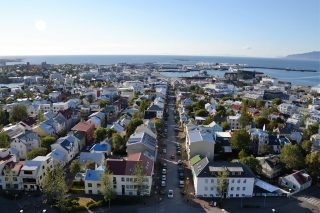
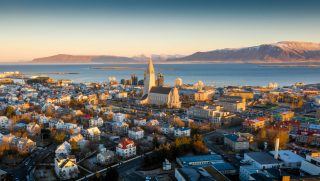
Iceland is a striking island nation in the North Atlantic, known for its dramatic landscapes shaped by volcanoes, glaciers, and the sea. Despite its relatively small population, it offers an outsized sense of space and wilderness, with wide-open horizons, rugged coastlines, and ever-changing weather that can shift the mood of a place in minutes. Its capital, Reykjavík, is compact and creative, serving as an easy gateway to both culture and nature.
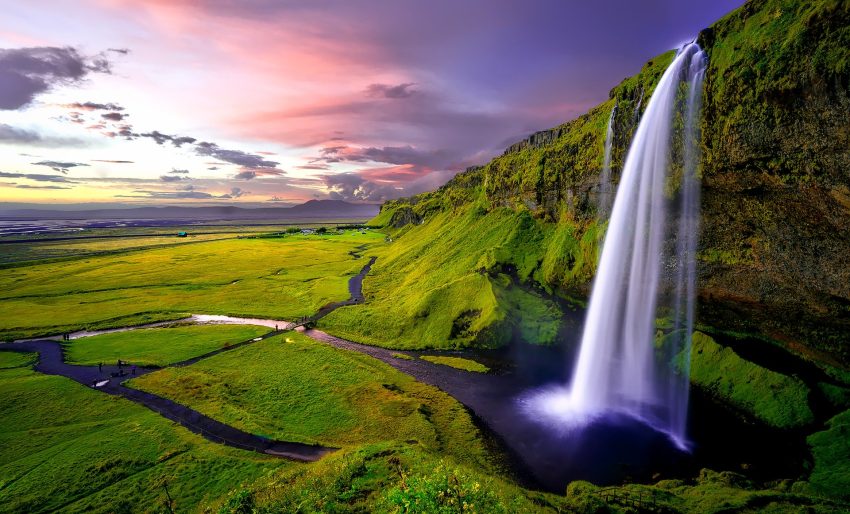
Nature is the main draw: steaming geothermal areas, black-sand beaches, towering waterfalls, and lava fields that look almost otherworldly. In many places you can see the island’s raw energy up close-hot springs and geothermal pools are part of everyday life, and road trips can take you from icy glaciers to mossy highlands in a single day. Wildlife is also a highlight, from seabird cliffs and puffins in summer to whales and dolphins offshore.
Travel in Iceland tends to revolve around the seasons. Summer brings long daylight hours and accessible highland routes, while winter offers snow-covered scenery and the chance to see the northern lights. Whether you’re after scenic drives, hiking, soaking in warm pools, or simply experiencing a place where land and weather feel vividly alive, Iceland delivers a unique blend of comfort and wildness.
History of Iceland
Iceland’s history is shaped by its North Atlantic isolation, volcanic landscape, and a long tension between local self-rule and foreign crowns, followed by a modern transformation into a prosperous, independent republic.
Settlement and the Commonwealth (c. 870–1262)
Iceland was settled in the late 9th century, traditionally dated to around 874, by Norse migrants—many from Norway—along with people from the British Isles. Early society was organized around chieftains and farmsteads rather than towns.
In 930, settlers established the Alþingi (Althing), one of the world’s oldest parliaments, at Þingvellir. This period, often called the Icelandic Commonwealth, relied on a legal system and assemblies rather than a king. The Icelandic sagas, composed later, preserve memories of feuds, exploration, and the values of this early society.
Christianity was adopted around the year 1000 through a political compromise at the Alþingi, helping avoid civil conflict while gradually integrating Iceland into broader European religious and cultural networks.
Norwegian Rule and the End of the Commonwealth (1262–1380)
Internal power struggles among chieftain families intensified in the 13th century, culminating in an era of violence and instability. In 1262–1264, Icelanders accepted the authority of the Norwegian king through agreements that ended the Commonwealth. Iceland retained some legal distinctiveness, but sovereignty shifted abroad.
Under the Danish Crown (1380–1800s)
When Norway entered a dynastic union with Denmark in 1380, Iceland came under the Danish crown. Over time, Danish control tightened, especially through trade regulation. A Danish trade monopoly, formalized in the early modern period, limited Iceland’s economic options and tied commerce to Danish merchants.
The 18th century brought severe hardships: volcanic eruptions, harsh climate, and disease. The 1783–1784 Laki eruption was catastrophic, causing widespread famine and population loss and leaving a deep imprint on Icelandic memory.
Despite constraints, Icelandic language and literary culture remained strong, supported by manuscript traditions and later by printing and education.
National Awakening and Home Rule (1800s–1918)
In the 19th century, Iceland experienced a national revival influenced by European romantic nationalism and local intellectual movements. The Alþingi was re-established in 1845 as an advisory body, signaling a renewed political identity.
Gradual constitutional reforms followed. Iceland gained a constitution and limited self-government in the late 19th century, and in 1904 it achieved home rule with an Icelandic minister responsible to the Alþingi, though Denmark still controlled foreign affairs and the monarchy.
In 1918, the Act of Union recognized Iceland as a sovereign state in personal union with the Danish king. Iceland managed most of its internal affairs, while Denmark continued to handle foreign relations and defense under agreed terms.
Republic and World War II (1940–1944)
During World War II, Denmark was occupied by Germany in 1940, effectively severing the union’s practical links. British forces occupied Iceland in 1940 to prevent German influence, and the United States later assumed defense responsibilities. The war years accelerated modernization through infrastructure development and increased economic activity.
In 1944, Iceland formally became a republic after a national referendum, ending the union with Denmark. The new republic retained parliamentary democracy with a president as head of state.
Cold War, Modernization, and the Cod Wars (1945–1990s)
Postwar Iceland aligned with the West, joining NATO in 1949, a controversial decision domestically. The country hosted strategic defense arrangements during the Cold War, reflecting its location in the North Atlantic.
Economically, Iceland modernized rapidly, with fishing at the center. Disputes over fishing rights led to a series of confrontations with the United Kingdom known as the Cod Wars (1950s–1970s). Iceland progressively expanded its exclusive fishing zone, ultimately securing a 200-nautical-mile exclusive economic zone, which became a model for broader international practice.
Boom, Financial Crisis, and Recovery (1990s–present)
In the late 20th and early 21st centuries, Iceland diversified beyond fisheries into services, energy-intensive industry powered by geothermal and hydroelectric resources, and tourism. Financial liberalization contributed to rapid growth but also heightened risk.
In 2008, Iceland suffered a dramatic banking collapse during the global financial crisis. The country underwent a painful adjustment, including currency depreciation, capital controls, and political upheaval. Over subsequent years, Iceland stabilized and returned to growth, with tourism becoming a major driver—though it also brought new pressures on housing, infrastructure, and the environment.
In recent decades, Iceland has been shaped by debates over resource management, environmental protection, energy development, and resilience to natural hazards. Volcanic activity remains a constant presence, periodically disrupting daily life while also reinforcing Iceland’s distinctive identity and global fascination.
Best Time to Visit Iceland
Visiting Iceland in Winter (Best)
Winter (roughly November to March) is ideal if you want the best chance to see the Northern Lights, experience dramatic snowy landscapes, and enjoy ice caves and glacier adventures. Days are short, weather can be stormy, and driving conditions may be challenging, but it’s a standout season for atmosphere and winter activities. Festival highlights: Reykjavík International Film Festival (early autumn, sometimes late Sep/Oct overlap), Þorrablót midwinter celebrations (Jan–Feb), and Winter Lights Festival in Reykjavík (Feb).
Visiting Iceland in Spring
Spring (April to May) is a great shoulder season with longer daylight returning, fewer crowds than summer, and improving road conditions. You’ll often find a mix of lingering snow in the highlands and greener lowlands, plus strong waterfalls from meltwater. It’s a good time for sightseeing around the Ring Road before peak season prices and crowds arrive. Festival highlights: First Day of Summer (Sumardagurinn fyrsti, usually late April) with parades and local celebrations, and the Reykjavík Children’s Culture Festival (often in April).
Visiting Iceland in Summer
Summer (June to August) is best for maximum daylight (including the midnight sun), easier driving, and the widest access—especially to the Highlands via mountain roads that typically open in late June through August. It’s the top season for hiking, camping, whale watching, and festivals, but also the busiest and most expensive time to visit. Festival highlights: National Day (June 17) across the country, Secret Solstice (June, when held), and Reykjavík Pride (August).
Visiting Iceland in Autumn
Autumn (September to October) offers a balance of fewer crowds, beautiful fall colors, and the return of darker nights—making it a strong season for Northern Lights without the deepest winter conditions. Weather becomes more changeable as the season progresses, and some Highlands access may close early depending on conditions. Festival highlights: Reykjavík Culture Night (Menningarnótt, usually August but can influence late-summer travel plans), and Iceland Airwaves (typically October) for music in Reykjavík.
Food and Drink from Iceland
Icelandic food is shaped by a cool climate, a short growing season, and a long coastline, so traditional dishes lean heavily on seafood, lamb, and dairy. Lamb is especially central, often roaming freely in summer and developing a distinctive, clean flavor. Meals tend to be hearty and simple, with an emphasis on preserving and making the most of local ingredients. In recent decades, Reykjavík and other towns have also developed a lively modern food scene that reinterprets these staples with contemporary techniques.
Seafood is a cornerstone of Icelandic cuisine, with cod, haddock, Arctic char, salmon, and langoustine appearing in everything from everyday suppers to restaurant tasting menus. Popular preparations include pan-fried fish with potatoes, rich fish stews, and “plokkfiskur,” a comforting mix of flaked fish, potatoes, and creamy sauce. Dried fish, or harðfiskur, is a classic snack—often eaten with butter—and reflects older preservation methods that are still enjoyed today. Smoked and cured fish are also common, highlighting the country’s long tradition of using salt, wind, and smoke to extend shelf life.
On the meat side, Iceland is known for lamb dishes such as slow-cooked lamb soup (kjötsúpa), roasted lamb, and smoked lamb (hangikjöt), which is especially associated with festive occasions. Some older “þorramatur” traditions feature preserved foods like fermented shark (hákarl) and various cured meats, typically sampled during midwinter celebrations rather than eaten daily. Dairy is another strong point: skyr, a thick cultured dairy product, is widely eaten with berries or sugar and used in desserts and sauces. Icelandic butter and cheeses also feature prominently, benefiting from high-quality milk production.
When it comes to drink, coffee is a daily ritual in Iceland, and cafés are an important part of social life, often paired with pastries like cinnamon buns or layered cakes. Iceland also has a growing craft beer and spirits scene, including local gins and schnapps such as Brennivín, sometimes nicknamed “Black Death,” which is traditionally paired with strong-tasting preserved foods. Despite the cold weather, tap water is famously clean and widely enjoyed, while geothermal energy supports greenhouse cultivation that has expanded the availability of fresh herbs and some vegetables. Together, these foods and drinks reflect a blend of practicality, tradition, and a modern, creative approach to local ingredients.