Ggantija Temples, Victoria (Rabat), Gozo
Historic Site in Victoria (Rabat), Gozo
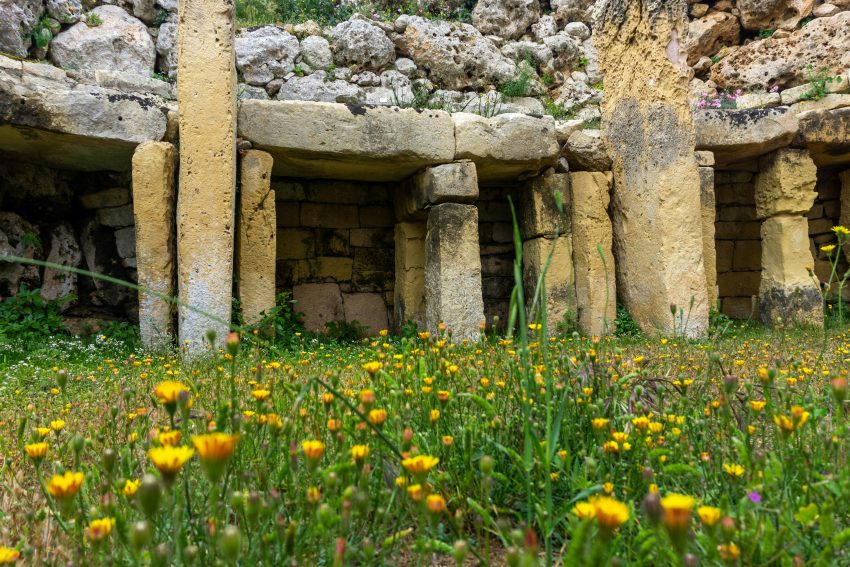
Perched on the Xagħra plateau in Gozo, the Ggantija Temples (Ġgantija) are the kind of place that resets your sense of time. These honey-coloured limestone megaliths form a prehistoric sanctuary that feels both monumental and intimate-one moment you're looking up at walls built from enormous stones, and the next you're tracing the curve of an ancient chamber designed for ritual.
What makes the visit especially satisfying is how complete it feels: you start in a modern interpretation centre, then follow the path out into the open air where the temples sit in calm countryside. If you’re building a heritage-focused itinerary, this is easily one of the top attractions in Gozo, and it pairs beautifully with slow village wandering in Xagħra before or after your visit.
Table of Contents
- History and Significance of the Ggantija Temples
- Things to See and Do in the Ggantija Temples
- How to Get to the Ggantija Temples
- Practical Tips on Visiting the Ggantija Temples
- Where to Stay Close to the Ggantija Temples
- Is the Ggantija Temples Worth Visiting?
- For Different Travelers
- FAQs for Visiting Ggantija Temples
- Nearby Attractions to the Ggantija Temples
History and Significance of the Ggantija Temples
The Ggantija Temples date to Gozo's Neolithic period, built millennia before the classical world most travellers associate with the Mediterranean. Their name comes from the Maltese word for “giant,” a nod to local legend that only giants could have moved stones of this scale-a story that makes perfect sense when you're standing beside blocks that look impossibly heavy even today.
Archaeologically, the site matters because it shows a sophisticated understanding of space, structure, and ceremony at a remarkably early date. The temple layout-curving apses, carefully framed entrances, and a strong sense of procession-suggests a community investing serious skill and labour into shared beliefs and gatherings.
Because the temples are also a UNESCO World Heritage Site, they’re protected and presented with a level of care that helps you read the place without needing specialist knowledge. You’re not just seeing old stones; you’re seeing how early island communities shaped sacred architecture to fit their landscape and worldview.
Things to See and Do in the Ggantija Temples
Begin in the interpretation centre and take your time with the story it tells-this is where the visit clicks into focus. The displays and artefacts give context to what you’ll see outside, so when you step into the temple area the shapes and details feel intentional rather than mysterious.
In the temple complex itself, look for the way the spaces open and narrow, and how the curved chambers create a sense of enclosure. The stones are the headline, but the experience is really about moving through a plan designed for people-standing where others stood, pausing where others likely paused, and noticing how the light and shadows shift across the limestone.
If you enjoy linking sights into a satisfying half-day, combine the temples with Ta' Kola Windmill nearby, then continue with a walking tour of Victoria for citadel views, museums, and a well-earned coffee in the central squares. That mix-deep prehistory followed by lively Gozo streets-makes the day feel layered and complete.
How to Get to the Ggantija Temples
The nearest airport is Malta International Airport (MLA) on the main island, and from there you connect to Gozo by road and ferry. For the best deals and a seamless booking experience, check out these flights to Victoria (Rabat), Gozo on Booking.com.
To reach Gozo, most travellers take the Gozo Channel car/foot passenger ferry from Ċirkewwa (Malta) to Mġarr (Gozo), with the crossing taking around 25 minutes. From Mġarr Harbour you can continue by bus or taxi, or connect via Victoria if you're using public transport.
Malta and Gozo do not have a train network, so you’ll be relying on buses, taxis, or a rental car for land travel. Train schedules and bookings can be found on Omio.
If you’re driving, Gozo is straightforward to explore and parking near the site is typically easier than in the busiest coastal bays, especially outside peak summer afternoons.
Practical Tips on Visiting the Ggantija Temples
- Entrance fee: Adults (18+): €10; Youths (12–17): €8; Senior Citizens (60+): €8; Concessions & Students: €8; Children (6–11): €6; Infants (1–5): Free. (Ticket includes entry to Ta' Kola Windmill.)
- Opening hours: January – February: Monday, Wednesday – Sunday: 09:00–17:00. Closed on Tuesday. March – December: Daily: 10:00–18:00. Closed on 1 January; Good Friday; 24 December; 25 December; 31 December.
- Official website: https://heritagemalta.mt/explore/ggantija-archaeological-park/
- Best time to visit: Go in the first hour after opening for softer light on the stone and a calmer, more contemplative atmosphere before groups arrive.
- How long to spend: Aim for 60-90 minutes if you want to do the interpretation centre properly and still linger in the temple area without rushing.
- Accessibility: The interpretation centre is the easiest part for step-free access; the outdoor paths are generally manageable, but the temple zone has more uneven surfaces.
- Facilities: Expect restrooms and a small shop on-site, plus easy options for cafés and snacks in Xagħra village a short walk away.
Where to Stay Close to the Ggantija Temples
For a culture-heavy itinerary, base yourself in Victoria for the best all-round access to Gozo's main sights and bus links; for a quieter, village-first trip focused on archaeology and countryside walks, staying in Xagħra is the most convenient choice.
If you want to be close enough to walk over early and enjoy Xagħra’s relaxed evenings, Cornucopia Hotel is a comfortable, easy-going base with a classic Gozo feel. For something more boutique right in the village atmosphere, Il-Logga Boutique Hotel keeps you close to local restaurants and the short hop to the temples.
Prefer a central hub with lots of dining and an easy launch point for the whole island? Stay in Victoria at The Duke Boutique Hotel, which puts you within walking distance of the Citadel and makes day trips to beaches and villages feel simpler.
Is the Ggantija Temples Worth Visiting?
Yes-especially if you like places that feel genuinely ancient rather than “restored for show.” The stones are extraordinary up close, and the combination of interpretation centre plus open-air monument gives you both context and atmosphere, which is why many travellers leave saying it was one of the best places to visit in Gozo.
Even if you’re not usually a museum person, the site works because it’s not just text panels and glass cases-you’re outside, moving through real spaces built by people with a completely different relationship to the world. It’s a rare kind of travel moment: quiet, substantial, and memorable long after the photos fade.
What Other Travellers Say...

Ġgantija Archaeological Park on Triq John Otto Bayer in Ix-Xagħra, Malta, presents two well‑preserved Neolithic limestone temples and an on‑site visitor centre; the small indoor museum offers clear, engaging displays about the early inhabitants while the outdoor remains let you walk among ancient megalithic structures, though the temple areas are compact so allow time if you want to soak in the atmosphere or wait for guided groups to pass; facilities are clean and well organised, staff are reported as friendly and helpful, and gender‑neutral, lockable toilets are available.


For Different Travelers
Families with Kids
This is one of those historical sites that can work surprisingly well with children because the scale is immediately impressive-big stones, big rooms, big “how did they do that?” energy. Start with the interpretation centre to set the scene, then treat the temple area like a slow discovery walk rather than a lecture.
Bring water, sun protection, and a simple “spot the shapes” game (curves, doorways, chambers) to keep it engaging. Pair it with something playful afterwards-Ramla Bay for a run on the sand is a classic Gozo family follow-up.
Couples & Romantic Getaways
Go early or late in the day and you’ll get the most romantic version of the site: warm light on limestone, a calmer pace, and more space to linger without feeling you’re in anyone’s way. It’s a lovely stop if you enjoy travel that feels meaningful rather than purely scenic.
Afterwards, lean into Xagħra’s village charm-share a long lunch, then take a short countryside walk to viewpoints around the plateau. It’s an easy way to turn a “temple visit” into a relaxed half-day date.
Budget Travelers
This is a high-value sight because it delivers a genuine UNESCO-level experience without needing a tour or any special gear. Use buses to get around Gozo, combine the temples with nearby stops in Xagħra, and you can build a full day with minimal transport costs.
Pack snacks and refill water in the village, then time your visit to avoid peak heat so you’re not tempted into extra taxis. If you’re choosing between paid sites, this one punches above its weight for how long it stays with you.
History Buffs
Give yourself the full, unhurried visit: interpretation centre first, then a slow loop outside, then a second pass through the temple area once you’ve absorbed the layout. The details-the structure of the chambers, the sense of procession, the way the site sits in the landscape-are where the fascination deepens.
To add even more context, follow it up with Gozo's Citadel museums in Victoria, which help connect the island's deep past to later layers of history. That one-two combination is one of the most satisfying archaeology days you can do on the island.
FAQs for Visiting Ggantija Temples
Getting There
Tickets & Entry
Visiting Experience
Tours, Context & Itineraries
Photography
Food & Breaks Nearby
Nearby Attractions to the Ggantija Temples
- Ta' Kola Windmill: A well-preserved historic windmill nearby that adds a hands-on glimpse into Gozo's rural life and traditional crafts.
- Ramla Bay: Gozo’s famous red-sand beach, ideal for a swim or a relaxed break after a culture-heavy morning.
- Ta’ Ġurdan Lighthouse: A scenic hilltop viewpoint above Xagħra with wide coastal panoramas and sunset potential.
- The Citadel (Victoria): Gozo's fortified heart, packed with museums, views, and atmospheric lanes for an easy afternoon of exploring.
- Marsalforn Salt Pans: A photogenic coastal stretch where salt has been harvested for generations, especially atmospheric near golden hour.
The Ggantija Temples appears in our Complete Guide to Visiting Victoria (Rabat), Gozo!

Moira & Andy
Hey! We're Moira & Andy. From hiking the Camino to trips around Europe in Bert our campervan — we've been traveling together since retirement in 2020!
This website uses affiliate links which may earn a commission at no additional cost to you!
Planning Your Visit
January - February: Monday, Wednesday - Sunday: 09:00-17:00.
Closed on Tuesday.
March - December: Daily: 10:00-18:00.
Closed on 1 January; Good Friday; 24 December; 25 December; 31 December.
Adults (18+): €10; Youths (12-17): €8; Senior Citizens (60+): €8; Concessions & Students: €8; Children (6-11): €6; Infants (1-5): Free. (Ticket includes entry to Ta’ Kola Windmill.)
Nearby Attractions
- Ta' Kola Windmill (0.1) km
Windmill - Cathedral Museum (2.5) km
Museum - Tal-Mixta Cave (2.5) km
Cave - Gozo Cathedral (2.5) km
Cathedral - Gozo’s Citadel (Ċittadella) (2.6) km
Castle - Gozo Museum of Archaeology (2.6) km
Museum - The Old Prison (2.6) km
Historic Building - Gozo Aqueduct (3.5) km
Aqueduct - Ta’ Sopu Watchtower (3.8) km
Tower - Xwejni Salt Pans (3.9) km
Natural Phenomenon