Abu Simbel Temples, Aswān
Historic Site near Aswān
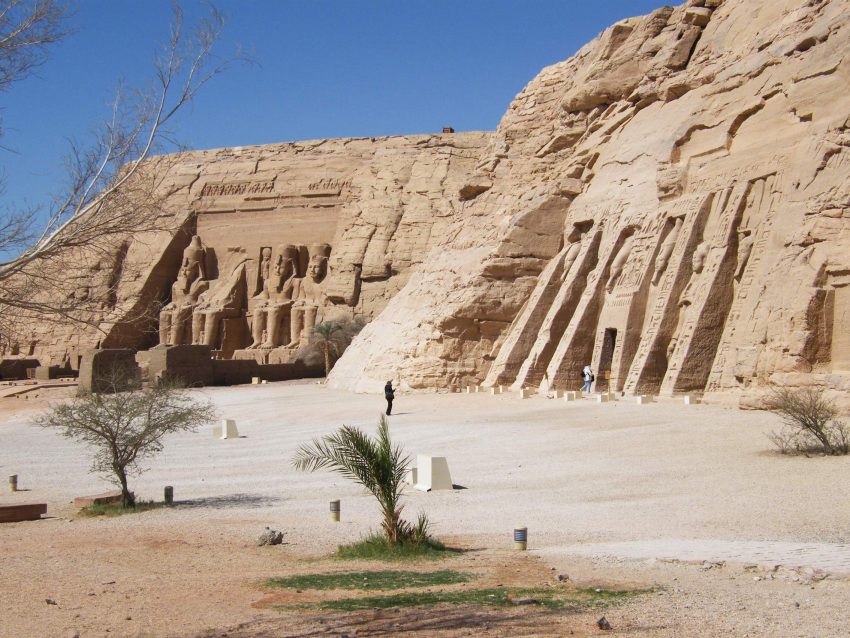
The Abu Simbel Temples sit on the edge of Egypt's south, where desert light meets the vastness of Lake Nasser and the ancient frontier once faced Nubia. Even before you step inside, the façade does the work: four seated colossi of Ramses II carved straight from the cliff, built to overwhelm you with scale and certainty.
What makes Abu Simbel feel different from other temples is how engineered it is for awe. The halls pull you forward in a straight, ceremonial line, with statues, reliefs, and battle scenes building the story room by room, until you reach the sanctuary that made the site famous-designed so sunlight reaches the inner figures on two specific dates each year.
Table of Contents
- History and Significance of the Abu Simbel Temples
- Things to See and Do in the Abu Simbel Temples
- How to Get to the Abu Simbel Temples
- Practical Tips on Visiting the Abu Simbel Temples
- Where to Stay Close to the Abu Simbel Temples
- Is the Abu Simbel Temples Worth Visiting?
- For Different Travelers
- FAQs for Visiting Abu Simbel Temples
- Nearby Attractions to the Abu Simbel Temples
History and Significance of the Abu Simbel Temples
Abu Simbel was created under Ramses II as a deliberate statement of power at Egypt’s southern threshold, a place where architecture doubled as politics. The main temple is dedicated to the great gods of the state and to Ramses himself in a deified role, while the smaller temple honours Hathor and Queen Nefertari-rarely given such prominence at this scale.
The temples also carry one of the most dramatic modern survival stories in archaeology. When the Aswan High Dam threatened to submerge them, the complex was cut and relocated in the 1960s in an international effort, preserving both the façade and the interior alignment that defines the experience today.
Things to See and Do in the Abu Simbel Temples
Begin with the Great Temple façade and give yourself a few minutes to absorb the proportions. The best photos tend to come from stepping back enough to include the full wingspan of the cliff-cut frontage, then moving closer to notice the smaller family figures carved beside the colossi.
Inside, follow the axis of the temple slowly. The sequence of halls is part of the design: you move from bright exterior into deeper shade, with colossal standing figures and reliefs drawing your attention to the story Ramses wanted remembered, especially the battle imagery that reads like propaganda carved in stone.
Do not rush the sanctuary. Even on an ordinary day, it’s the emotional payoff of the visit, and it’s where the site’s “solar theatre” makes sense-on about 22 February and 22 October, the sun’s rays reach the inner statues, turning architecture into a precise calendar event.
Before you leave, make time for the Small Temple as more than an add-on. It is visually cleaner and more intimate, and it’s one of the best places to notice how unusual it is for Nefertari’s colossi to match the king’s in scale, signalling status in the most literal way.
How to Get to the Abu Simbel Temples
Most travellers use Aswan as the base, flying into Aswan International Airport and then continuing south to Abu Simbel by road, flight, or organised tour. For the best deals and a seamless booking experience, check out these flights to Aswān on Booking.com. There are also domestic flights into Abu Simbel for travellers who want to avoid the long desert drive and maximise time on the ground.
There’s no practical train service to Abu Simbel, so most itineraries rely on road transport from Aswan or a short domestic flight. Train schedules and bookings can be found on Omio. Tours are common because they bundle permits, timing, and return logistics, but independent travellers can also arrange a private driver if they prefer a quieter, more flexible visit.
If you’re driving, plan the visit around the heat and the distance rather than treating it as a casual day trip, and build in buffer time so you can stay calm on-site instead of watching the clock.
Practical Tips on Visiting the Abu Simbel Temples
- Entrance fee: Adult EGP 750; Student EGP 375. Sun Festival days (22 February & 22 October): Adult EGP 1200; Student EGP 600. Egyptians/Arabs: Adult EGP 30; Student EGP 10 (festival pricing higher).
- Opening hours: Daily: 06:00–17:00.
- Official website: https://egymonuments.gov.eg/archaeological-sites/abu-simbel/
- Best time to visit: Arrive early for cooler temperatures and clearer light on the façade, or later in the afternoon for a calmer feel once many day-trippers have moved on.
- How long to spend: Give it 2-3 hours to do both temples properly without rushing, plus extra if you want unhurried photos and time to sit with the reliefs.
- Accessibility: Expect uneven stone surfaces and steps, with the greatest comfort coming from steady footwear and a slow pace through the interior corridors.
- Facilities: Bring water and sun protection; services exist but are not something to rely on for a fully comfortable desert visit.
Where to Stay Close to the Abu Simbel Temples
If your priority is seeing Abu Simbel with minimal travel stress, base yourself in Abu Simbel village for a slower-paced visit and the option to arrive right at opening; if your trip is built around temples and museums, base in Aswan and treat Abu Simbel as a dedicated excursion day.
For an easy, established stay close to the site, Seti Abu Simbel Hotel is a reliable choice with a classic “temple stop” feel. If you prefer something smaller and more local in character, Eskaleh Nubian Ecolodge suits travellers who like a calmer atmosphere after the crowds. For a more resort-style option near the lake, Azal Lagoons Resort Abu Simbel works well if you want comfort and downtime built into the same stop.
Is the Abu Simbel Temples Worth Visiting?
Yes-Abu Simbel is one of Egypt’s few sites that still feels genuinely jaw-dropping even if you’ve already seen major temples. The scale is immediate, the interior route is designed for maximum drama, and the setting makes it feel like a frontier monument rather than a city attraction.
Honest pivot: if you strongly dislike long travel days, or you’re in Egypt for a short first trip and want to keep logistics simple, Abu Simbel can feel like a lot of effort for one headline stop. In that case, prioritise a richer Aswan itinerary and return for Abu Simbel when you can give it the time (and early start) it deserves.
What Other Travellers Say...

Abu Simbel Temples, located in Abu Simbel, Aswan Governorate 1211501, Egypt, are a massive 13th-century BC monument to Ramesses II with a smaller temple for Nefertari; the complex was dismantled and relocated when the Aswan Dam was built and rebuilt at a new site. Visitors praise the imposing 20‑metre statues and interior carvings as breathtaking and worth the trip, though crowds, heat and humidity can make the experience slow-moving; some note the site is accessible on foot or by golf cart. Expect vendors and persistent souvenir sellers around the entrance and exit, and limited on-site prices that some find expensive; bring sun protection, water and a light layer for windy conditions.


For Different Travelers
Families with Kids
For families, Abu Simbel works best when you frame it as a “giant statues and secret corridors” experience rather than a history lecture. The site has clear visual hooks-colossi outside, towering interior figures, then the sanctuary payoff-so children can stay engaged without needing to read every panel.
The key is pacing and comfort. Bring water, plan shade breaks, and keep expectations realistic about heat and walking surfaces, then balance the day with something gentler afterward so the visit feels epic rather than exhausting.
Couples & Romantic Getaways
For couples, Abu Simbel is a shared “big memory” stop: it’s cinematic, remote-feeling, and emotionally different from temple visits that happen in crowded city contexts. The best version of the day is unhurried-arrive early, walk slowly, and give yourselves time to simply stand in the halls without immediately moving on.
If you can stay overnight in Abu Simbel, the whole experience softens. You trade a frantic early-morning dash for a calmer rhythm, and the site feels more like a destination in its own right rather than a checkbox on an itinerary.
Budget Travelers
Budget travellers can absolutely do Abu Simbel, but it rewards planning. The main cost pressure is transport, so compare group tours, shared transfers, and flight options carefully, and choose the one that gives you the most predictable timing without hidden add-ons.
On-site, spending can stay controlled if you bring essentials with you and keep the plan simple. The site itself is the value-your goal is to arrive comfortable enough to enjoy it, not to solve logistics problems in the desert.
History Buffs
For history-focused travellers, Abu Simbel is a masterclass in how monuments communicate power. It’s not just a temple; it’s an argument carved into rock about kingship, borders, and divine legitimacy, with every corridor designed to reinforce the message.
The modern relocation story adds a second layer that history buffs tend to love: the engineering, the international campaign, and the fact that a 20th-century intervention preserved a 13th-century BCE idea of sacred alignment. It’s one of the few places where ancient intention and modern preservation drama feel equally significant.
FAQs for Visiting Abu Simbel Temples
Getting There
Tickets & Entry
Visiting Experience
Tours, Context & Itineraries
Photography
Accessibility & Facilities
Nearby Attractions to the Abu Simbel Temples
- Lake Nasser: A vast, quiet expanse that gives Abu Simbel its dramatic modern setting and a sense of scale beyond the temples themselves.
- Wadi El Sebua Temples: A remote lakeside temple group that feels like a true “deep cut” for travellers exploring Lake Nasser’s monuments.
- Amada Temple: One of the region’s most admired smaller temples, known for its reliefs and its place within the Lake Nasser relocation story.
- Kalabsha Temple: A beautifully sited Nubian temple near Aswan, ideal if you want more monuments without the full Abu Simbel distance.
- Philae Temple: An Aswan classic on an island setting, pairing well with Abu Simbel if you’re building a south-Egypt temple itinerary.
The Abu Simbel Temples appears in our Complete Guide to Visiting Aswān!

Moira & Andy
Hey! We're Moira & Andy. From hiking the Camino to trips around Europe in Bert our campervan — we've been traveling together since retirement in 2020!
This website uses affiliate links which may earn a commission at no additional cost to you!
Planning Your Visit
Daily: 06:00-17:00.
Adult EGP 750; Student EGP 375. Sun Festival days (22 February & 22 October): Adult EGP 1200; Student EGP 600. Egyptians/Arabs: Adult EGP 30; Student EGP 10 (festival pricing higher).
Nearby Attractions
- Philae - Temple of Isis (227.6) km
Historic Site - Luxor Temple (387.7) km
Historic Site - Karnak Temple Complex (390.3) km
Historic Site - Valley of the Kings (391.1) km
Historic Site