Zimbabwe: The Ultimate Travel Guide 2026
Zimbabwe is a landlocked country in Southern Africa known for its dramatic landscapes, rich wildlife, and warm hospitality. From the wide savannas and granite hills to fertile valleys and highland plateaus, its scenery is varied and striking. The country’s location also makes it a natural crossroads for travel in the region, with easy connections to neighboring nations.
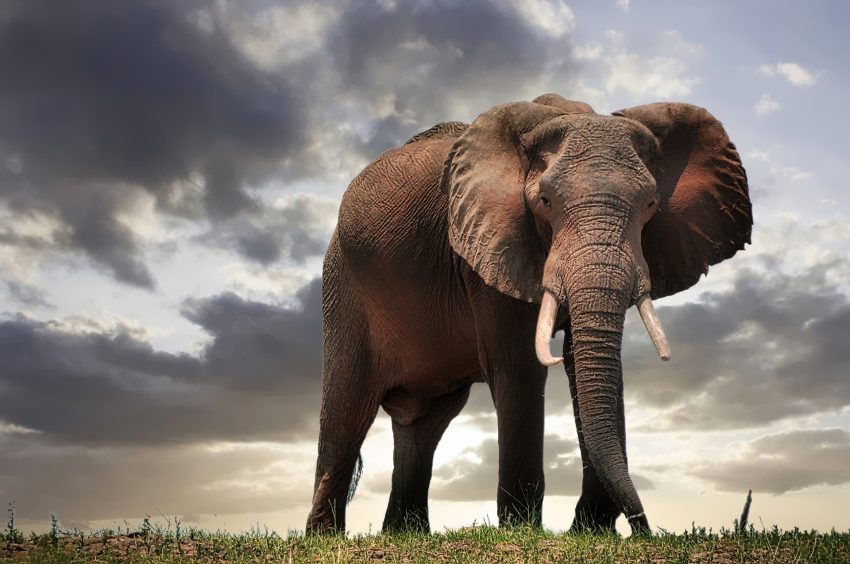
Nature is one of Zimbabwe’s biggest draws. It is home to world-famous sights such as Victoria Falls, along with expansive national parks where visitors can see elephants, lions, buffalo, and a wide range of birdlife. Rivers like the Zambezi and the many protected areas across the country support diverse ecosystems that appeal to both adventure seekers and those looking for quiet time outdoors.
Zimbabwe’s culture is equally distinctive, shaped by many communities and languages, with Shona and Ndebele among the most widely spoken. In cities like Harare and Bulawayo, modern life blends with local traditions through music, art, markets, and cuisine. Whether you’re exploring urban neighborhoods or rural villages, the country offers a strong sense of place and a welcoming spirit.
Table of Contents
- History of Zimbabwe
- Early peoples and first states
- Great Zimbabwe and regional trade
- Successor polities: Mutapa and Rozvi
- Ndebele state and 19th-century upheavals
- Company rule and conquest
- Southern Rhodesia under settler self-government
- Federation and rising nationalism
- UDI and the liberation war
- Independence and early nation-building
- Economic strain, political opposition, and land reform
- Power-sharing, transition, and the post-Mugabe era
- Best Time to Visit Zimbabwe
- Food and Drink from Zimbabwe
History of Zimbabwe
Zimbabwe’s history spans early human settlement, powerful precolonial states, a long period of British colonial rule, a contested liberation struggle, and a post-independence era marked by both social advances and deep political and economic crises.
Early peoples and first states (to c. 1200)
Archaeological evidence shows very early human presence in the region, including Stone Age communities. Later, Bantu-speaking farmers and ironworkers spread into the area over many centuries, bringing agriculture, metallurgy, and new social formations. Trade networks gradually linked the interior to the wider Indian Ocean world through intermediaries.
Great Zimbabwe and regional trade (c. 1200–1450)
Between roughly the 13th and 15th centuries, Great Zimbabwe emerged as the most famous precolonial center in the region. Its monumental stone architecture and extensive material remains reflect a complex society with political authority, specialized production, and long-distance trade. Gold and other goods moved through regional routes to the coast, connecting inland elites to broader commercial networks. Over time, shifts in trade, environment, and political dynamics contributed to Great Zimbabwe’s decline as a central power.
Successor polities: Mutapa and Rozvi (c. 1450–1800s)
After Great Zimbabwe’s prominence waned, new states rose. The Mutapa (Monomotapa) state became influential in the north, drawing on control of land, tribute, and trade. Later, the Rozvi polity expanded power in parts of the plateau, known for military organization and efforts to manage trade and external influence. Across these centuries, political authority often depended on controlling cattle, land, labor, and trade routes, with shifting alliances and conflicts among competing centers.
Ndebele state and 19th-century upheavals (1800s)
In the 19th century, major regional disruptions reshaped southern Africa. The Ndebele (Matabele) state formed under Mzilikazi and later Lobengula, establishing a powerful kingdom in the southwest. Relations with neighboring communities ranged from alliance and incorporation to conflict and tribute extraction. At the same time, expanding European commercial and missionary activity increased pressures on local political systems.
Company rule and conquest (1890–1923)
British imperial expansion reached the area through the British South Africa Company (BSAC), associated with Cecil Rhodes. In 1890, settlers established a foothold that became the basis of “Rhodesia.” The company pursued land acquisition and mineral ambitions, backed by armed force and treaties often made under unequal conditions. African resistance culminated in the 1896–1897 uprisings (often called the First Chimurenga), which were suppressed. Company rule entrenched settler political dominance and accelerated land dispossession and labor coercion.
Southern Rhodesia under settler self-government (1923–1953)
In 1923, Southern Rhodesia became a self-governing British colony with substantial autonomy for the white settler minority. Policies favored settler agriculture and industry while restricting African political rights and access to land. Segregationist land laws and labor controls shaped rural life and urban migration, laying foundations for enduring inequality and political conflict.
Federation and rising nationalism (1953–1965)
Southern Rhodesia joined Northern Rhodesia (Zambia) and Nyasaland (Malawi) in the Federation of Rhodesia and Nyasaland (1953–1963). African opposition to the federation and to minority rule intensified, with nationalist movements organizing despite bans, arrests, and repression. The federation collapsed in 1963, but Southern Rhodesia’s settler leadership resisted moves toward majority rule.
UDI and the liberation war (1965–1979)
In 1965, Ian Smith’s government issued a Unilateral Declaration of Independence (UDI) from Britain to preserve white minority rule. International isolation and sanctions followed. African nationalist movements—principally ZANU and ZAPU, with their respective armed wings—waged a protracted guerrilla war known as the Second Chimurenga. The conflict escalated through the 1970s, drawing in regional dynamics and Cold War alignments. Negotiations eventually produced the Lancaster House Agreement (1979), setting terms for a ceasefire, elections, and internationally recognized independence.
Independence and early nation-building (1980–late 1980s)
Zimbabwe became independent in 1980, with Robert Mugabe as prime minister. The early years saw expansion of education and health services and efforts to build state capacity. However, political tensions between ZANU-PF and ZAPU, and conflict in Matabeleland and parts of the Midlands, led to a brutal state security campaign in the 1980s known as Gukurahundi, causing widespread suffering and long-lasting trauma. A 1987 unity accord merged ZAPU into ZANU-PF, and Zimbabwe moved toward a more centralized, dominant-party system.
Economic strain, political opposition, and land reform (1990s–2000s)
By the 1990s, economic pressures grew, including unemployment and austerity measures. New civic and labor-based opposition emerged, culminating in the formation of the Movement for Democratic Change (MDC) in 1999. Land redistribution—long a central unresolved issue from the colonial era—entered a dramatic phase from 2000, with fast-track land reform involving widespread farm occupations and state-backed redistribution. While addressing historic land inequities for many, the process was also marked by violence, legal disputes, and major disruption to agricultural production and investor confidence.
The 2000s brought severe economic crisis, including hyperinflation, shortages, and large-scale emigration. Political conflict intensified around elections, state repression, and contested legitimacy. In 2009, Zimbabwe adopted a multi-currency system, stabilizing prices after the collapse of the Zimbabwean dollar.
Power-sharing, transition, and the post-Mugabe era (2009–present)
A power-sharing government between ZANU-PF and the MDC operated from 2009 to 2013, bringing partial stabilization but limited structural reform. ZANU-PF regained full control after the 2013 elections. In 2017, the military intervened in a political crisis within the ruling party, leading to Robert Mugabe’s resignation and the rise of Emmerson Mnangagwa as president.
Since then, Zimbabwe has faced continuing challenges: economic volatility, currency instability, high living costs, and persistent disputes over political freedoms and electoral fairness. At the same time, the country remains shaped by its strong educational legacy, vibrant cultural life, and the ongoing efforts of citizens and institutions to navigate the unresolved questions of governance, accountability, and inclusive economic development.
Best Time to Visit Zimbabwe
Visiting Zimbabwe in Summer (November–March)
Summer is the wet season, bringing lush landscapes, dramatic skies, and fewer crowds in many areas. It’s a great time if you enjoy green scenery and don’t mind short, heavy showers—often in the afternoons. Wildlife viewing can be more challenging in some parks because animals spread out with abundant water, and some dirt roads may be harder to navigate after rain. Victoria Falls is typically powerful and impressive during this broader rainy period, though peak flow is more pronounced closer to late summer into early autumn.
Visiting Zimbabwe in Autumn (April–May) (Best)
Autumn is one of the most rewarding times to visit Zimbabwe: rains ease off, the bush is still green, temperatures are comfortable, and travel conditions improve. This is a sweet spot for combining scenery and wildlife—vegetation begins thinning, making animals easier to spot, while rivers and waterfalls can still be strong. It’s also an excellent time for Victoria Falls, which is often at or near its most dramatic flow around this period, depending on the year’s rainfall.
Visiting Zimbabwe in Winter (June–August)
Winter is the dry season and a top choice for safari. Days are generally sunny and mild, nights can be cold (especially in higher areas), and wildlife viewing is excellent as animals gather around rivers and waterholes. This is prime time for game drives in parks like Hwange and Mana Pools. Water levels at Victoria Falls usually start to drop through winter, but visibility can improve as spray reduces—great for photography and clearer viewpoints.
Visiting Zimbabwe in Spring (September–October)
Spring is hot and very dry, and it can deliver some of the best wildlife viewing of the year as animals concentrate around remaining water sources. It’s a strong season for safari-goers who can handle higher temperatures, particularly in October. Victoria Falls is typically at its lowest flow around this time, which can mean less dramatic curtain-like water but more exposed rock formations and different perspectives of the gorge.
Festival highlight: If you’re planning around events, the Harare International Festival of the Arts (HIFA) is a major cultural draw and is often held in late April to early May, making it a great add-on if you’re visiting in autumn.
Food and Drink from Zimbabwe
Zimbabwean food is rooted in hearty staples built around grains, especially maize. The most common everyday dish is sadza, a thick maize-meal porridge cooked until firm and served as the center of a meal. Sadza is typically eaten with the hands and paired with a “relish” that adds flavor and nutrition, such as vegetables, beans, meat, or fish. In many homes, meals are simple but filling, designed to feed families with ingredients that are affordable and widely available.
Relishes often feature leafy greens and seasonal produce. Dishes like muriwo unedovi (greens cooked with peanut butter) are popular for their rich, nutty taste and satisfying texture. Other common sides include stewed cabbage, pumpkin leaves, okra, or tomatoes and onions cooked down into a savory sauce. Beans and cowpeas are also widely eaten, sometimes simmered with spices and vegetables, and they frequently appear alongside sadza as a protein-rich option.
Meat is enjoyed when available, especially chicken, beef, and goat, often prepared as stews or grilled over open flames. A well-known favorite is nyama choma, grilled meat served with sides like sadza, vegetables, or salads, and commonly found at gatherings and roadside spots. In some regions, fish from rivers and lakes is eaten fresh or dried, adding variety to the diet. Traditional preservation methods such as drying and smoking help extend food supplies and deepen flavors.
Zimbabwe’s drinks range from everyday teas and soft drinks to traditional beverages made for social occasions. Maheu, a fermented or cultured maize-based drink, is widely loved for its tangy sweetness and refreshing quality. Traditional beers made from sorghum or millet, such as mhanga, are associated with ceremonies and community events, where sharing a drink is part of hospitality and connection. Whether at home or at celebrations, Zimbabwean food and drink emphasize warmth, sharing, and making the most of local ingredients.