Zambia: The Ultimate Travel Guide 2026
Zambia is a landlocked country in southern Africa known for its wide-open landscapes, abundant wildlife, and warm hospitality. It shares borders with eight countries, making it a natural crossroads in the region, and its terrain ranges from high plateaus to river valleys and wetlands. The Zambezi River is central to the country’s geography and identity, shaping ecosystems and supporting communities across large areas.
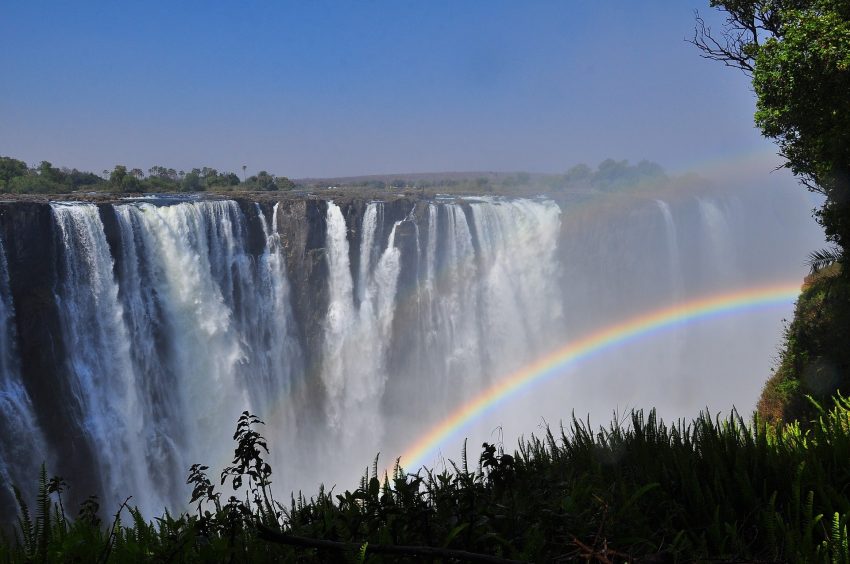
Nature is one of Zambia’s biggest draws, with national parks and game management areas that offer some of Africa’s most rewarding safari experiences. From the vast plains of Kafue National Park to the wildlife-rich South Luangwa Valley, visitors come for chances to see elephants, hippos, big cats, and hundreds of bird species. One of the country’s most famous sights is Victoria Falls, locally known as Mosi-oa-Tunya (“The Smoke That Thunders”), where the Zambezi plunges into a dramatic gorge on the border with Zimbabwe.
Zambia’s cities and towns provide a lively contrast to its wilderness, with Lusaka as the main hub for business, culture, and travel connections. Daily life reflects a mix of modern urban energy and strong community traditions, expressed through music, markets, and local cuisine. With English as the official language and many widely spoken local languages, Zambia is easy to navigate while still offering a rich variety of cultures and experiences.
Table of Contents
- History of Zambia
- Early peoples and ancient settlement
- Precolonial states and long-distance trade
- Nineteenth-century upheavals and new powers
- British influence and the making of Northern Rhodesia
- Colonial rule under Britain
- The Federation and the road to independence
- One-party era and regional liberation politics
- Return to multiparty democracy and liberalization
- Recent decades
- Best Time to Visit Zambia
- Food and Drink from Zambia
History of Zambia
Zambia’s history spans ancient human settlement, powerful precolonial kingdoms, British colonial rule as Northern Rhodesia, a largely peaceful transition to independence in 1964, and decades of political and economic change shaped by copper, regional liberation struggles, and democratization.
Early peoples and ancient settlement
Archaeological evidence shows very early human presence in what is now Zambia, including Stone Age communities and later Iron Age societies that introduced farming, metallurgy, and more complex settlement patterns. Over many centuries, waves of Bantu-speaking peoples migrated into the region, forming diverse ethnic and linguistic communities.
Precolonial states and long-distance trade (c. 1500s–1800s)
By the early modern period, parts of Zambia were linked to larger political and commercial systems in Central and Southern Africa. Major polities included:
- The Lunda and related networks in the northwest, connected to broader Central African trade routes.
- The Lozi (Barotse) kingdom in the west, centered on the Zambezi floodplain, with strong institutions and seasonal governance tied to the river’s rhythms.
- The Bemba and other chiefly systems in the north and northeast, which expanded through alliances, warfare, and control of trade.
Trade in ivory, copper, salt, and other goods connected interior communities to markets reaching the Indian Ocean and Atlantic spheres, especially as regional demand and external traders increased.
Nineteenth-century upheavals and new powers (1800s)
The 1800s brought major disruptions and realignments. Movements of peoples and military pressures in Southern Africa contributed to new conflicts and migrations. At the same time, expanding external trade intensified competition for resources and routes. Missionaries and explorers arrived, and local rulers increasingly engaged with foreign actors to secure alliances, weapons, or diplomatic leverage.
British influence and the making of Northern Rhodesia (1890s–1924)
In the late 1800s, British commercial and imperial interests expanded into the region through chartered company rule. Agreements—often contested in meaning and fairness—were used to claim authority. Administration and infrastructure developed unevenly, with growing attention to mineral prospects. In 1911, territories were consolidated as Northern Rhodesia under company administration.
Colonial rule under Britain (1924–1953)
In 1924, Northern Rhodesia became a British protectorate. The colonial economy increasingly revolved around copper mining, especially in the Copperbelt, drawing migrant labor and accelerating urbanization. Racially stratified policies shaped land, wages, and political rights. African political organization grew through welfare associations, unions, and emerging nationalist movements, influenced by both local grievances and wider anti-colonial currents.
The Federation and the road to independence (1953–1964)
Northern Rhodesia was joined with Southern Rhodesia and Nyasaland in the Federation of Rhodesia and Nyasaland (1953–1963), a project widely opposed by many Africans who saw it as entrenching settler power and limiting majority rule. Nationalist politics intensified, marked by protests, detentions, and constitutional negotiations. The federation collapsed in 1963, and Northern Rhodesia moved rapidly toward self-government. Zambia achieved independence on 24 October 1964, with Kenneth Kaunda as its first president.
One-party era and regional liberation politics (1964–1991)
After independence, Zambia pursued state-led development and expanded education and public services. Copper revenues initially supported ambitious plans, but dependence on a single export made the economy vulnerable. From the mid-1970s, falling copper prices and rising debt triggered prolonged economic strain.
Politically, Zambia shifted toward a one-party system in the early 1970s, justified as a means to promote unity. Internationally, Zambia played a prominent role supporting liberation movements in Southern Africa, hosting refugees and political offices while facing cross-border raids and security pressures. The country also invested in routes and infrastructure to reduce reliance on minority-ruled neighbors, including major transport links to the Indian Ocean.
Return to multiparty democracy and liberalization (1991–2000s)
Economic hardship and demands for political reform led to the reintroduction of multiparty politics. In 1991, Frederick Chiluba and the Movement for Multi-Party Democracy won elections, ending Kaunda’s long rule. The 1990s and early 2000s saw market reforms, privatization (including in mining), and continued debates over governance, corruption, and constitutional rules. Economic performance fluctuated, influenced by global commodity cycles and domestic policy choices.
Recent decades (2010s–present)
Zambia has experienced competitive elections and periodic transfers of power, alongside recurring economic challenges tied to debt, currency pressures, and copper price volatility. Infrastructure expansion and diversification efforts have continued, while public debate has remained active around civil liberties, media space, and the balance between development priorities and democratic governance. The country’s regional role remains significant through diplomacy, trade, and participation in African and international institutions.
Best Time to Visit Zambia
Visiting Zambia in Summer (November–March)
Summer is Zambia’s rainy season. Landscapes are lush and green, rivers swell, and birdlife is abundant—making it a strong choice for photographers and birdwatchers. Some safari areas can be harder to access due to muddy roads, and humidity is higher, especially in lower-lying regions. This is also a good period if you prefer fewer visitors and don’t mind occasional travel disruptions from rain.
Visiting Zambia in Autumn (April–May)
Autumn is a shoulder season with rains tapering off and temperatures becoming more comfortable. The countryside remains green, but roads and parks are generally more accessible than in peak rainy months. Water levels are still high, which can be great for scenic river views and early-season waterfall visits. It’s a balanced time to travel if you want pleasant weather without peak-season crowds.
Visiting Zambia in Winter (June–August) (Best)
Winter is the dry season and is often the best time to visit Zambia for wildlife viewing. Vegetation thins out and animals gather around rivers and waterholes, improving visibility on game drives and walking safaris. Days are sunny and mild, while nights can be cool—especially in June and July—so packing layers is helpful. This is also a popular time, so booking lodges and key routes earlier is recommended.
Visiting Zambia in Spring (September–October)
Spring is the late dry season and brings hotter temperatures, especially in October. Wildlife viewing can be excellent as animals concentrate near remaining water sources, and conditions are typically dry and accessible. If Victoria Falls is a priority, note that water levels are often lower by October, which can reduce the curtain-like flow but can improve visibility of rock formations and allow for certain activities depending on conditions.
Festival highlight: If you’re interested in cultural events, the Kuomboka Ceremony (often around March or April, depending on floodwaters) is a major traditional festival worth planning around, though its timing can vary year to year.
Food and Drink from Zambia
Zambian food is built around hearty staples that are filling, affordable, and well suited to sharing. The most important is nshima, a thick porridge made from finely ground maize meal, cooked until firm enough to shape by hand. Nshima is typically eaten with the fingers, rolled into a small ball, and used to scoop up accompanying dishes. Meals are often served “with relish,” meaning one or more sides that add flavor, protein, and variety alongside the staple.
Common relishes include leafy greens such as rape, pumpkin leaves, and sweet potato leaves, usually sautéed with onions, tomatoes, groundnuts (peanuts), or a bit of oil. Beans and cowpeas are widely eaten, and groundnut stew is a favorite for its rich, nutty taste. Meat and fish also feature strongly when available: chicken, goat, and beef are popular, while dried or fresh fish—often from rivers and lakes—may be grilled, fried, or cooked into stews. Many dishes balance simple seasoning with slow cooking to develop depth, especially in sauces served over nshima.
Zambia also has distinctive ingredients and preparations that reflect local agriculture and foraging traditions. Caterpillars (such as mopane worms) are eaten in some regions, typically dried and then fried or stewed, valued for both flavor and protein. Vegetables like okra and eggplant appear in stews, and seasonal fruits—mangoes, guavas, and wild berries—are enjoyed fresh or used in juices. Street and home snacks can include roasted maize, boiled groundnuts, fritters, and simple pastries, often sold in markets and along busy roads.
Drinks range from everyday non-alcoholic options to traditional brews. Tea is widely consumed, and soft drinks and bottled water are common in towns, while homemade fruit juices are popular when fruit is in season. Traditional beverages include maheu (a fermented maize drink) and local beers made from maize or sorghum, which may be brewed for social gatherings and ceremonies. In urban areas, commercially produced lagers are widely available, but many people still enjoy the communal aspect of sharing traditional drinks alongside food.