Vatican City: The Ultimate Travel Guide 2026
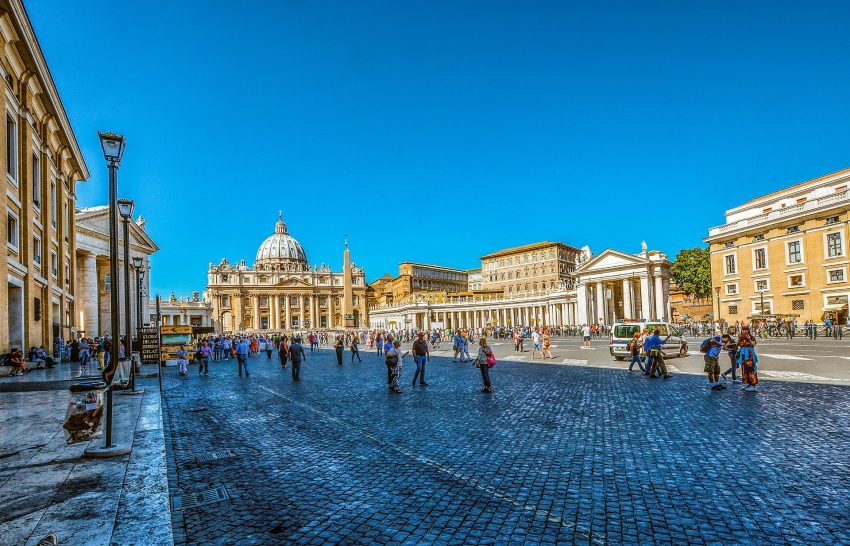
Vatican City is the world’s smallest independent state, tucked within the city of Rome and recognized as the spiritual and administrative center of the Roman Catholic Church. Despite its tiny size, it has an outsized global presence, serving as the seat of the Pope and a focal point for religious life, diplomacy, and cultural influence.
Visitors often associate Vatican City with iconic landmarks and extraordinary art. St. Peter’s Basilica dominates the skyline with its grand dome, while the Vatican Museums house vast collections that culminate in the Sistine Chapel’s celebrated ceiling. The atmosphere blends solemnity and spectacle, where quiet chapels, bustling corridors, and sweeping plazas sit side by side.
Beyond its famous sights, Vatican City functions as a working city-state with its own governance, security, postal service, and media outlets. Daily life revolves around ceremonies, official duties, and the steady flow of pilgrims and tourists, creating a place that feels both intimate and international at once.
Table of Contents
- History of Vatican City
- Origins to Late Antiquity
- Medieval Rome and the Rise of Papal Temporal Power
- Avignon, Return, and Renaissance Rebuilding
- Early Modern Challenges and the Papal States
- Revolution, Unification of Italy, and the “Roman Question”
- Creation of Vatican City
- Vatican City in the 20th Century
- Contemporary Vatican City
- Best Time to Visit Vatican City
- Food and Drink from Vatican City
History of Vatican City
Vatican City is the smallest independent state in the world, created to secure the political and territorial independence of the papacy. Its history is inseparable from the growth of the Catholic Church, the rise and fall of the Papal States, and the modern settlement between the Holy See and Italy.
Origins to Late Antiquity (1st–5th centuries)
Christian tradition holds that Saint Peter was martyred in Rome during the reign of Nero and buried on the Vatican Hill, then outside the city’s main urban core. Over time, Peter’s tomb became a focal point for Christian pilgrimage. In the 4th century, after Christianity gained legal status in the Roman Empire, Emperor Constantine ordered the construction of a major basilica over the presumed burial site—Old St. Peter’s Basilica—cementing the Vatican area’s religious importance.
Medieval Rome and the Rise of Papal Temporal Power (6th–13th centuries)
As imperial authority in Italy weakened, the bishops of Rome increasingly took on civic and political roles. By the 8th century, the papacy acquired territorial control in central Italy, forming what became known as the Papal States. These lands were not “Vatican City” in the modern sense; rather, they were a broad swath of territory governed by the pope as a temporal ruler. The Vatican area itself remained the spiritual and administrative heart of the papacy, with major churches, residences, and institutions growing around St. Peter’s.
Avignon, Return, and Renaissance Rebuilding (14th–16th centuries)
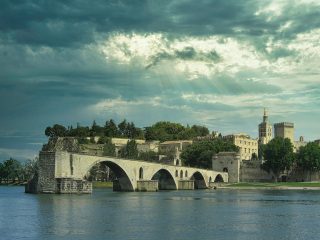
In the 14th century, the papacy relocated to Avignon (in present-day France), a period that weakened Rome’s centrality and contributed to political instability in Italy. After the popes returned to Rome, they reasserted control and invested heavily in rebuilding and beautifying the city. From the late 15th through the 16th centuries, the Vatican became a major center of Renaissance art and architecture. Old St. Peter’s was eventually replaced by the new St. Peter’s Basilica, and the Vatican Palace complex expanded, including the Sistine Chapel and other administrative and ceremonial spaces.
Early Modern Challenges and the Papal States (17th–18th centuries)
The papacy continued to govern the Papal States while also leading the Catholic Church through major religious and political upheavals in Europe. The Vatican’s influence remained substantial, but the modern state system and the rise of powerful monarchies increasingly constrained papal temporal authority. Internally, the papacy maintained a sophisticated administration and diplomatic presence (the Holy See), which would later become crucial to its international standing even without large territories.
Revolution, Unification of Italy, and the “Roman Question” (1798–1929)
The French Revolutionary and Napoleonic era brought repeated invasions and disruptions. The Papal States were weakened and at times dissolved, though they were partially restored afterward. In the 19th century, the movement to unify Italy steadily absorbed papal territories. In 1870, Italian forces took Rome, ending the Papal States. The pope rejected the legitimacy of the new arrangement and considered himself a “prisoner in the Vatican,” refusing to recognize Italian sovereignty over Rome. This long standoff between the Kingdom of Italy and the Holy See became known as the “Roman Question.”
Creation of Vatican City (1929)
The dispute was resolved by the Lateran Treaties of 1929 between the Holy See and Italy. These agreements recognized Vatican City as a new, independent sovereign state, guaranteeing the pope’s territorial base and independence. The Holy See also received financial compensation and special legal arrangements for certain sites in Rome. Vatican City’s purpose was not expansion or conventional statehood, but ensuring that the papacy could operate free from political pressure by any national government.
Vatican City in the 20th Century (1930s–1990s)
Vatican City developed the institutions typical of a microstate—its own administration, security, postal system, and other services—while remaining primarily a religious and diplomatic center. During World War II, it maintained formal neutrality, though the period was marked by complex humanitarian and diplomatic activity. In the postwar era, the Holy See expanded its global diplomatic role. The Second Vatican Council (1962–1965), held under papal authority, profoundly reshaped Catholic life and the Church’s engagement with the modern world, increasing the Vatican’s global visibility and influence.
Contemporary Vatican City (2000s–present)
Today, Vatican City remains a tiny territorial state governed by the pope, while the Holy See functions as the central governing body of the Catholic Church and a subject of international diplomacy. The Vatican continues to balance its spiritual mission, global diplomatic presence, cultural stewardship (including major archives, libraries, and artworks), and the practical governance of a modern microstate.
Best Time to Visit Vatican City
Visiting Vatican City in Spring (Best)
Spring (March to May) is one of the best times to visit Vatican City for mild temperatures, longer daylight hours, and generally pleasant sightseeing conditions. Crowds begin to build toward late spring, but you’ll often find the experience more comfortable than peak summer—especially for walking around St. Peter’s Square and exploring the Vatican Museums.
Highlights and festivals:
- Easter (March/April): A major draw, with Papal liturgies and events that can be a once-in-a-lifetime experience—expect very large crowds and heightened security.
- Holy Week: Particularly busy, with special services and ceremonies that attract pilgrims from around the world.
Visiting Vatican City in Summer
Summer (June to August) brings the biggest crowds and the hottest weather, which can make long museum visits and outdoor queues feel intense. If you visit in summer, aim for early morning entry times for the Vatican Museums and consider booking timed tickets and guided tours to reduce waiting.
Highlights and festivals:
- Feast of Saints Peter and Paul (June 29): An important celebration in Vatican City, often featuring special liturgies connected to St. Peter’s Basilica.
Visiting Vatican City in Autumn
Autumn (September to November) is a strong choice for a balance of comfortable weather and slightly lighter crowds than summer, especially from mid-October onward. Early autumn can still be busy, but conditions are often ideal for combining Vatican City with wider Rome sightseeing.
Highlights and festivals:
- All Saints’ Day (November 1): A notable date on the Catholic calendar, sometimes accompanied by special services that can increase visitor numbers.
Visiting Vatican City in Winter
Winter (December to February) is typically the quietest season (outside of the holiday period), with cooler temperatures and shorter days. It can be an excellent time to visit if you prefer fewer crowds and don’t mind bundling up—especially for early mornings and evenings around St. Peter’s Square.
Highlights and festivals:
- Christmas season (late December): A major highlight, including Christmas liturgies and the festive atmosphere around St. Peter’s Square—expect larger crowds around key dates.
- Epiphany (January 6): Often marked with special celebrations that can draw additional visitors.
Food and Drink from Vatican City
Vatican City’s food and drink culture is closely tied to Rome and the wider Italian tradition, shaped by its tiny size and the fact that it functions primarily as a religious and administrative center rather than a residential city with a broad restaurant scene. Meals reflect classic central Italian tastes—simple, seasonal, and built around quality ingredients like olive oil, tomatoes, fresh herbs, vegetables, and cheeses. Because the Vatican sits within Rome, visitors often experience “Vatican” dining as part of the surrounding neighborhoods, where trattorias and cafés serve familiar Roman staples.
Typical dishes associated with the area include Roman pasta classics such as cacio e pepe, carbonara, and amatriciana, along with lighter options like minestrone, salads, and vegetable sides that fit well with traditional Catholic rhythms of fasting and abstinence. Fish and seafood can feature prominently, especially on Fridays or during Lent, when many Catholics choose meatless meals. Bread, pizza al taglio (pizza by the slice), and pastries are everyday favorites for quick bites, mirroring the grab-and-go style common across Rome.
Within Vatican City itself, dining is more practical than performative, catering to employees, clergy, and authorized guests through cafeterias and limited-service venues rather than a dense network of public restaurants. The emphasis is on straightforward Italian cooking—pasta, roasted meats, vegetables, and fruit—served in a canteen style that prioritizes nourishment and routine. For many who work there, coffee breaks are a key ritual, with espresso and cappuccino forming part of the daily cadence.
Drinks follow Italian norms as well: espresso is the default, mineral water is ubiquitous, and wine is the classic companion to meals. Italy’s wine culture naturally carries over, with reds and whites from nearby regions appearing at the table, especially during formal dinners and celebrations. Beyond everyday dining, the Vatican’s liturgical life also gives wine a unique symbolic presence, since it is central to Catholic sacramental practice—an example of how, in this smallest of states, food and drink can carry both ordinary and deeply ceremonial meaning.