Vanuatu: The Ultimate Travel Guide 2026
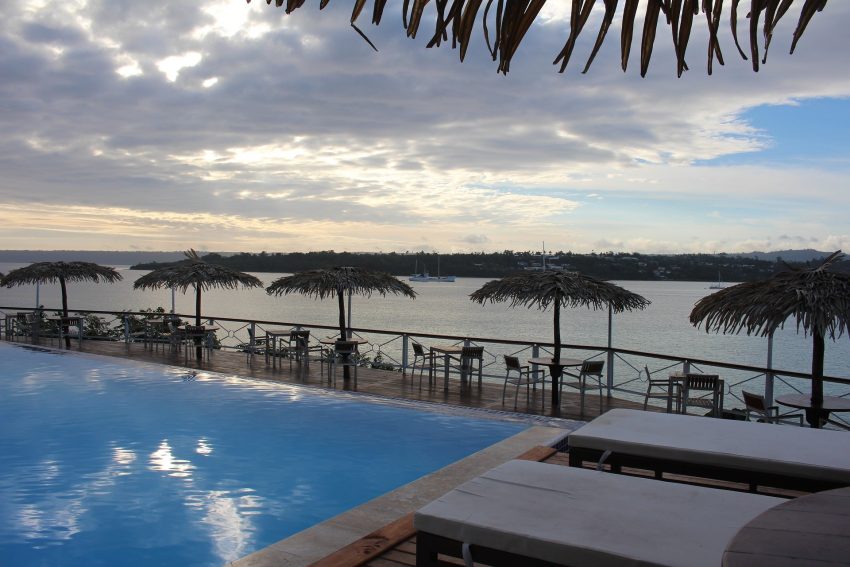
Vanuatu is a Pacific island nation made up of more than 80 islands scattered across the warm waters of Melanesia, northeast of Australia and west of Fiji. Known for its lush landscapes and dramatic coastlines, the country blends volcanic peaks, tropical rainforests, and coral reefs into a setting that feels both remote and welcoming. Its capital, Port Vila, sits on the island of Efate and serves as the main hub for travel, government, and commerce.
Life in Vanuatu is shaped by the ocean and the land, with many communities maintaining strong ties to local traditions and village life. The country is culturally diverse, with a rich mix of languages and customs across different islands, alongside widely spoken Bislama, English, and French. Visitors often notice the easy rhythm of daily life, from bustling produce markets to quiet beaches and small towns where everyone seems to know each other.
For travelers, Vanuatu offers a balance of adventure and relaxation: snorkeling and diving on vibrant reefs, hiking to waterfalls, exploring active volcanoes, and enjoying fresh local food. The climate is generally tropical, with warmer, wetter months and a drier season that many people find ideal for exploring. Whether you’re looking for nature, culture, or a peaceful island escape, Vanuatu delivers a distinctive South Pacific experience.
History of Vanuatu
Vanuatu is an island nation in the southwest Pacific whose history blends deep Indigenous roots, centuries of oceanic exchange, disruptive colonial encounters, and a distinctive path to independence shaped by both British and French rule.
Before European contact (c. 3000 BCE–1600s)
The first settlers arrived thousands of years ago as part of the wider Austronesian expansion into the Pacific. Archaeological evidence links early communities to the Lapita cultural tradition, known for seafaring, horticulture, and distinctive pottery. Over time, diverse societies developed across the archipelago’s many islands, with hundreds of local languages and strong place-based identities. Trade, inter-island voyaging, and alliances connected communities, while chiefly systems, ritual authority, and customary land tenure varied widely by island.
Early European encounters (1600s–1800s)
European contact began in the 17th century, but sustained engagement increased in the 18th and 19th centuries. The French navigator Louis Antoine de Bougainville passed through in 1768, and in 1774 James Cook charted much of the group and named it the “New Hebrides.” These encounters were followed by whalers, traders, and missionaries. Christianity spread unevenly, sometimes alongside conflict and profound cultural change.
Blackbirding and plantation pressures (mid–late 1800s)
From the mid-19th century, many ni-Vanuatu were coerced or recruited—often deceptively—into labor overseas, especially to plantations in Queensland (Australia), Fiji, and elsewhere. This “blackbirding” era caused major social disruption, population loss, and violence. At the same time, foreign settlers and companies increased land acquisition for plantations, intensifying disputes over land and sovereignty.
The Anglo-French Condominium (1906–1980)
Rival British and French interests led to an unusual joint colonial arrangement: the New Hebrides Condominium, established in 1906. Rather than a unified administration, the territory was governed through parallel British and French systems—separate courts, police, education structures, and legal regimes—alongside limited joint institutions. This dual rule was often confusing and unequal, and it deepened divisions in language, schooling, and political alignment.
During World War II, the islands became strategically important. Allied forces built infrastructure, including airstrips and roads, and the wartime presence accelerated economic and social change. After the war, political consciousness grew, aided by expanding education, churches, and new forms of organization.
Nationalism and the road to independence (1960s–1980)
By the 1960s and 1970s, demands for self-government strengthened. Political movements emerged, most prominently the Vanua’aku Pati, which advocated independence and emphasized national unity across linguistic and island differences. Negotiations with Britain and France were complicated by the condominium’s dual structure and by competing local and settler interests.
In 1980, as independence approached, tensions flared in some areas, including secessionist challenges—most notably on Espiritu Santo—where local leaders and external backers opposed the new national government. The independence process ultimately prevailed, and the Republic of Vanuatu was proclaimed on 30 July 1980.
Independence and contemporary era (1980–present)
After independence, Vanuatu built a parliamentary democracy with a strong commitment to customary land ownership and cultural continuity. Bislama, English, and French became official languages, reflecting the country’s layered history. Politics has often been characterized by coalition governments and shifting party alliances, while local governance and customary authority remain influential in many communities.
Vanuatu has also taken an active role in regional and international affairs, particularly on decolonization in the Pacific and, more recently, on climate advocacy. The country faces ongoing challenges from natural hazards—cyclones, volcanic activity, earthquakes—and from climate change, alongside efforts to strengthen infrastructure, health, education, and economic resilience while protecting cultural and linguistic diversity.
Best Time to Visit Vanuatu
Visiting Vanuatu in Summer (December–February)
Summer in Vanuatu is hot, humid, and part of the wetter cyclone season. It’s a good time to visit if you want lush landscapes, fewer crowds, and don’t mind short, heavy downpours. Visibility for diving and snorkeling can still be good between rain bursts, but seas can be rougher and some activities may be weather-dependent. Pack light rain gear and plan flexible day trips.
Visiting Vanuatu in Autumn (March–May) (Best)
Autumn is often the sweet spot for visiting Vanuatu: the weather becomes more settled after the peak wet season, humidity eases, and the ocean is typically warm and clear. It’s an excellent time for island-hopping, lagoon cruises, diving/snorkeling, hiking, and visiting volcano viewpoints (conditions permitting). You’ll generally get a strong balance of good weather and good value before peak winter demand.
Visiting Vanuatu in Winter (June–August)
Winter is the driest, coolest, and most popular time to visit Vanuatu. Expect comfortable temperatures, lower humidity, and reliable conditions for outdoor activities—great for beach time, trekking, and water sports. Because it’s peak season, book flights and accommodation early, especially around school holiday periods.
Visiting Vanuatu in Spring (September–November)
Spring brings warming temperatures and generally pleasant weather before the wet season builds again later in the year. It’s a strong shoulder-season choice for travelers who want good conditions with fewer crowds than winter. This period can also be a highlight for cultural events, with the Fest’Napuan music festival (typically in October, Port Vila) often drawing visitors for live performances and local atmosphere.
Food and Drink from Vanuatu
Vanuatu’s food and drink are shaped by its island geography, fertile volcanic soils, and a strong tradition of communal cooking. Many everyday meals center on starchy staples such as taro, yam, cassava, and sweet potato, alongside island greens and seasonal fruits. Coconut is used widely—grated, pressed into cream, or cooked into sauces—while bananas and plantains appear in both savory and sweet dishes. Freshness matters: families often grow what they eat, and markets brim with produce, herbs, and bundles of leafy vegetables.
A defining feature of ni-Vanuatu cuisine is the earth oven, known as the laplap or often associated with the “umu” style of cooking, where hot stones in a pit slowly cook food wrapped in leaves. Laplap is also the name of the national dish: grated root crops (commonly taro or yam) mixed with coconut cream, sometimes layered with meat or fish, then wrapped in banana leaves and baked until firm and fragrant. Another beloved preparation is tuluk, a stuffed pudding made from grated root vegetables wrapped around a filling—often meat—then cooked in leaves. These dishes reflect a cooking style that is patient, smoky, and deeply tied to gatherings and celebrations.
Seafood is central in coastal areas, with reef fish, lobster, crab, and octopus featuring in home cooking and restaurant menus. Fish may be grilled over coals, simmered with coconut milk, or served with simple sides of root crops and greens. Inland and village meals may include chicken or pork, especially for special occasions, and meals are commonly accompanied by island vegetables like aelan kabis (island cabbage) and other leafy greens. Flavors tend to be clean and natural, with seasoning coming from coconut, sea salt, local herbs, and the gentle sweetness of root crops rather than heavy spices.
Drinks in Vanuatu range from everyday refreshments to culturally significant beverages. Fresh coconut water is a common thirst-quencher, and tropical fruit juices—made from pineapple, mango, pawpaw, and citrus—are widely enjoyed. Kava is the most distinctive traditional drink: prepared by pounding or grinding kava root and mixing it with water, it produces an earthy, numbing beverage shared in nakamals (kava bars) as part of social life and ceremony. Alongside these, locally available beers and spirits are found in towns, but for many visitors, the taste of Vanuatu is best captured in a cup of kava and a plate of laplap shared with others.