Uruguay: The Ultimate Travel Guide 2026

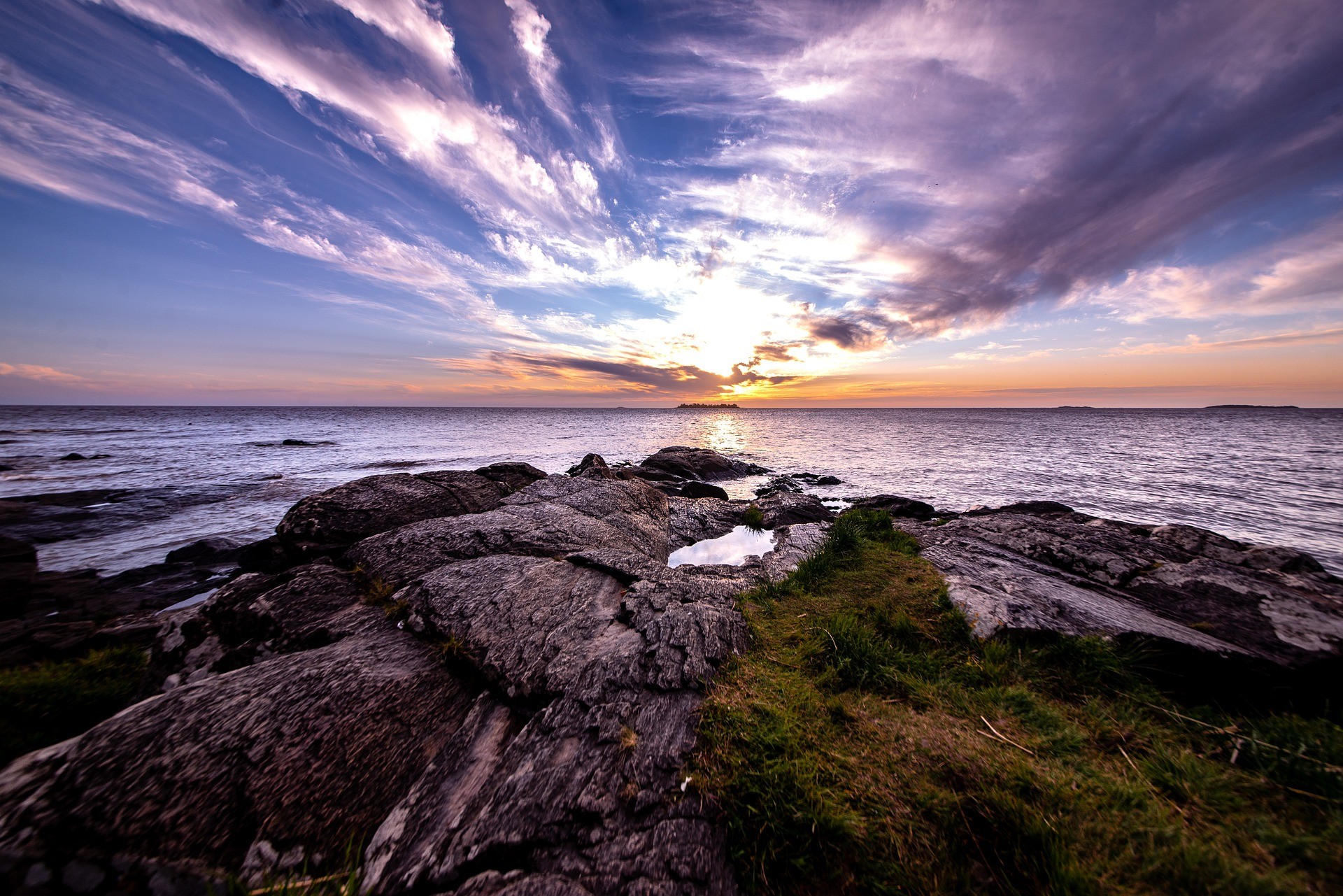
sunset Uruguay
sunset Uruguay

Uruguay is a small, welcoming country in southeastern South America, tucked between Brazil and Argentina and bordered by the Atlantic Ocean. Known for its relaxed pace and high quality of life, it blends modern city living with wide-open countryside and a strong sense of community. Its capital, Montevideo, sits along a broad waterfront promenade and serves as the country’s cultural and economic hub.

Beyond the capital, Uruguay’s landscape is defined by rolling grasslands, ranches, and a long stretch of coastline dotted with beach towns. Visitors and locals alike gravitate to places like Punta del Este for lively seaside energy, while quieter coastal villages offer calmer shores and nature-focused escapes. Inland, small towns and rural estancias highlight the country’s agricultural roots and love of the outdoors.

Uruguayan culture is shaped by everyday rituals and simple pleasures: sharing mate, gathering for an asado, and enjoying music and football with friends and family. The food scene ranges from traditional grilled meats to fresh seafood along the coast, with a growing emphasis on local wines and craft beverages. Whether you’re drawn by beaches, city life, or a laid-back atmosphere, Uruguay offers an easygoing destination with plenty of character.

History of Uruguay

Uruguay’s history is shaped by its position between larger powers, its early pastoral economy, long struggles over sovereignty, and a distinctive tradition of secular, welfare-oriented republicanism.

Before European colonization

For thousands of years the region was inhabited by Indigenous peoples, especially the Charrúa and related groups, alongside Guaraní influences in the wider Río de la Plata basin. Communities were generally mobile and relied on hunting, fishing, and gathering. Later national narratives often invoked the Charrúa, but colonization and state formation brought devastating displacement and violence.

1516–1700s: A contested frontier

Spanish explorers reached the area early in the 1500s, but dense settlement lagged because the territory lacked the mineral wealth found elsewhere and because Indigenous resistance was strong. The region became a frontier zone contested by Spain and Portugal. Cattle introduced by Europeans multiplied rapidly on the grasslands, laying the basis for a ranching economy and a rural culture centered on the gaucho.

1720s–1800: Montevideo and imperial rivalry

To secure Spain’s claim against Portuguese expansion, Montevideo was founded in 1726 as a strategic port and military outpost. It grew as a commercial and naval center, while the countryside developed around cattle, hides, and later salted beef. The area’s strategic importance increased with the rise of Atlantic trade and the geopolitical competition between Iberian empires.

1806–1830: Independence struggles and the birth of Uruguay

The early 1800s brought upheaval across the Río de la Plata. British invasions of the region (1806–1807) weakened Spanish authority and encouraged local militarization. In the Banda Oriental (today’s Uruguay), José Gervasio Artigas emerged as the leading figure of a federalist movement aligned with broader independence efforts but opposed to centralization from Buenos Aires.

Portugal (from Brazil) invaded in 1816, and the territory was annexed as the Cisplatine Province. In 1825, the “Thirty-Three Orientals” launched an uprising that led to war involving Brazil and the United Provinces of the Río de la Plata (Argentina). The conflict ended with British diplomacy and the 1828 treaty recognizing an independent Uruguay as a buffer state. The first constitution followed in 1830.

1830s–1904: Civil wars, parties, and regional pressures

Uruguay’s early decades were marked by rivalry between two political currents that became enduring parties: the Colorados and the Blancos. Their conflicts were tied to social and regional divisions and to the interests of neighboring Argentina and Brazil, which frequently intervened.

The most dramatic episode was the Great Siege of Montevideo (1843–1851), part of the broader “Guerra Grande,” when Montevideo held out against forces aligned with the Blancos and Argentine strongman Juan Manuel de Rosas. After mid-century, Uruguay continued to experience uprisings and instability, culminating in the 1904 civil conflict that effectively ended large-scale armed party warfare.

1900–1930s: Batllismo and the modern state

In the early 20th century, Uruguay became known for ambitious reforms associated with José Batlle y Ordóñez and the Colorado tradition. The state expanded public education, strengthened labor protections, promoted secularism, and built social welfare institutions. Public enterprises grew, and the political system developed a reputation for stability and civic participation compared with much of the region.

The global economic shocks of the 1930s strained this model. In 1933, President Gabriel Terra carried out a coup and introduced an authoritarian-leaning constitutional order, though Uruguay later returned to more competitive politics.

1940s–1960s: Prosperity, then stagnation

Mid-century Uruguay benefited from export demand, especially during and after World War II, reinforcing its welfare state and middle-class society. Over time, however, structural limits—dependence on commodity exports, inflation, and slower growth—produced stagnation and social tension. Political fragmentation increased, and confidence in traditional parties weakened.

1960s–1985: Crisis, guerrilla conflict, and dictatorship

By the late 1960s, Uruguay faced escalating unrest. The Tupamaros (MLN-T), an urban guerrilla movement, carried out kidnappings, robberies, and attacks, while the state responded with growing repression. In 1973, the military and President Juan María Bordaberry dissolved parliament, initiating a civic-military dictatorship.

The regime curtailed civil liberties, banned or restricted political activity, and imprisoned and tortured opponents; Uruguay became known for having one of the highest per-capita rates of political imprisonment in the region. Economic policy shifted, and society was deeply affected by fear, exile, and censorship.

1985–2004: Democratic restoration and reforms

Democracy was restored in 1985 with Julio María Sanguinetti as president. The transition involved difficult negotiations with the armed forces and debates over accountability for dictatorship-era abuses. Uruguay rebuilt institutions, re-opened political competition, and pursued market-oriented reforms alongside preservation of key social protections.

2005–2019: The Frente Amplio era

In 2005, the left-of-center Frente Amplio coalition won the presidency, marking a major shift in national politics. Governments under Tabaré Vázquez and José Mujica expanded social programs, reduced poverty, and pursued progressive reforms, while maintaining macroeconomic stability during years of favorable commodity prices. Uruguay gained international attention for policies such as cannabis regulation, marriage equality, and abortion law reform, reflecting its long secular and reformist tradition.

2020s: Contemporary Uruguay

In 2020, a center-right coalition led by Luis Lacalle Pou took office, emphasizing public security, regulatory changes, and fiscal priorities while largely maintaining core social programs. Uruguay continues to be characterized by relatively strong democratic institutions, high civic participation, and ongoing debates over inequality, education, crime, and economic competitiveness in a small, open economy.

Best Time to Visit Uruguay

Visiting Uruguay in Summer (December–February)

Summer is ideal for beach time along the Atlantic coast, especially in Punta del Este, José Ignacio, and La Paloma. Expect the warmest weather, lively nightlife, and the busiest travel period with higher prices and more crowds. Festival highlight: Carnaval in Uruguay runs through much of February and into early March, with candombe drumming, parades, and “tablados” (stage performances), especially in Montevideo.

Visiting Uruguay in Autumn (March–May)

Autumn is a great shoulder season with pleasant temperatures, fewer crowds, and generally better value than summer. It’s well-suited for city exploring in Montevideo, winery visits around Canelones, and relaxed coastal trips without peak-season congestion. Festival highlight: Semana de Turismo (often in March or April, dates vary) is a major holiday week when many Uruguayans travel, creating a festive atmosphere and busier domestic destinations.

Visiting Uruguay in Winter (June–August)

Winter is the quietest time to visit, with cooler temperatures and a calmer pace—best for travelers who prefer fewer tourists and lower accommodation rates. It’s a good season for Montevideo’s cafés, museums, and cultural venues, plus countryside stays (estancias). Coastal towns are much sleepier, with some seasonal closures.

Visiting Uruguay in Spring (September–November) (Best)

Spring offers comfortable weather, greener landscapes, and a balance of good availability and growing energy before summer peaks. It’s excellent for combining Montevideo with coastal areas and vineyard regions, with longer days and a fresh, outdoorsy feel. Festival highlight: Día del Patrimonio (usually in October) is a standout cultural weekend when many historic buildings and landmarks open to the public, especially in Montevideo and other cities.

Food and Drink from Uruguay

Uruguayan food reflects its pastoral landscape and strong European influences, especially Spanish and Italian. Beef is central to everyday cooking and national identity, with meals often built around simple, high-quality ingredients rather than heavy seasoning. Bread, pasta, and dairy are common, and many dishes emphasize comfort and generosity—shared plates, long lunches, and weekend gatherings that revolve around cooking together.

The country’s signature tradition is the asado, a social barbecue cooked slowly over wood embers on a parrilla. Cuts like tira de asado (short ribs), vacío (flank), and chorizo are grilled alongside morcilla (blood sausage) and sometimes sweetbreads, then served with crusty bread and salads. Chimichurri and salsa criolla add brightness, while provoleta—melted provolone-style cheese—often appears as a starter. Asado is as much about conversation and ritual as it is about the meat.

Street food and casual bites are also beloved, led by the chivito, Uruguay’s iconic sandwich. Typically made with thin steak, ham, cheese, lettuce, tomato, and mayonnaise—often topped with a fried egg and served with fries—it’s a hearty, customizable meal found everywhere from diners to beach kiosks. Empanadas, milanesas (breaded cutlets), and fainá (a chickpea flatbread often eaten with pizza) show the Italian-leaning side of Uruguayan tastes, especially in Montevideo.

For sweets, dulce de leche is everywhere, filling pastries, cakes, and alfajores (sandwich cookies), and pairing naturally with coffee. Another classic is chajá, a dessert of meringue, sponge cake, cream, and fruit, associated with the city of Paysandú. On the drinks side, mate is the national habit: a bitter herbal infusion sipped throughout the day from a gourd with a metal straw, shared among friends and carried on walks. Uruguay also produces respected wines—especially Tannat—along with light beers and refreshing clericó, a fruit-and-wine punch popular in warm weather.

Tours and Activities from Uruguay

Similar Blogs