United States: The Ultimate Travel Guide 2026
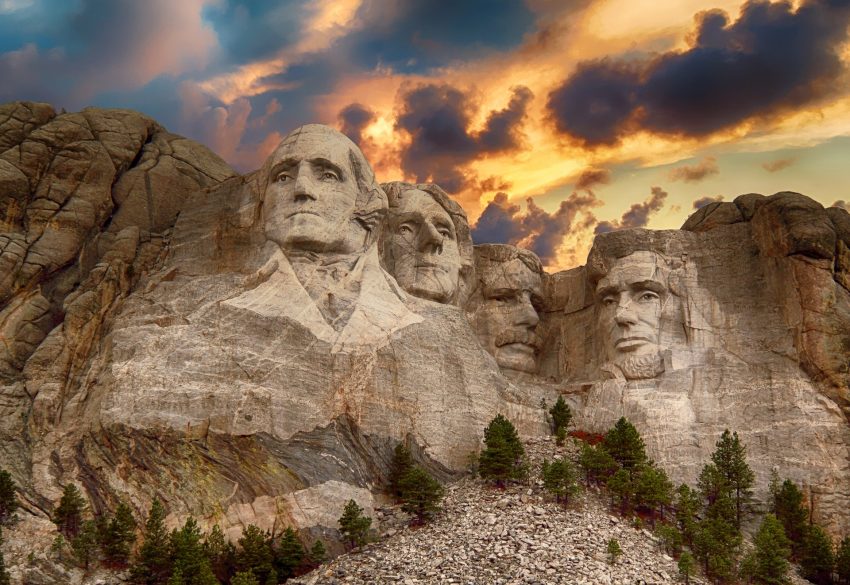
The United States, spanning North America, offers an incredible variety of landscapes, cities, and cultural experiences. New York City, one of the most iconic destinations, is a hub of art, fashion, and entertainment. Visitors can explore Times Square, admire the skyline from the Empire State Building, and stroll through Central Park. The city’s museums, including the Metropolitan Museum of Art and the Museum of Modern Art, showcase world-class collections. Food lovers can indulge in everything from classic New York-style pizza to Michelin-starred dining.
Beyond the bustling cities, the American West is home to breathtaking natural wonders. The Grand Canyon, located in Arizona, offers dramatic landscapes carved by the Colorado River, while Yellowstone National Park in Wyoming features geysers, wildlife, and stunning mountain scenery. The Pacific Coast Highway, stretching through California, provides scenic ocean views and access to charming coastal towns like Big Sur and Santa Barbara. Outdoor enthusiasts can hike, camp, and explore the diverse ecosystems that make the U.S. a paradise for nature lovers.
For a taste of Southern hospitality, New Orleans in Louisiana delivers a vibrant mix of music, cuisine, and history. The city’s French Quarter is famous for its jazz clubs, Creole architecture, and lively atmosphere. Visitors can experience the energy of Bourbon Street, enjoy a steamboat cruise along the Mississippi River, and savor local dishes like gumbo and beignets. Whether exploring dynamic cities, stunning national parks, or cultural hotspots, the United States offers an unforgettable travel experience.
Table of Contents
- History of United States
- United States: Pre-Colonial and Indigenous Societies
- United States: Colonial Era and Revolution
- United States: Early Republic and Expansion
- United States: Civil War and Reconstruction
- United States: Industrialization and Global Influence
- United States: Cold War and Civil Rights Movement
- United States: Modern Era and Globalization
- Best Time to Visit United States
- Food and Drink from United States
History of United States
United States: Pre-Colonial and Indigenous Societies (Pre-1600)
Before European exploration, the United States was inhabited by diverse indigenous cultures, including the Mississippian, Pueblo, and Iroquois civilizations. These societies developed complex trade networks, agricultural systems, and governance structures. The arrival of European explorers in the late 15th century marked the beginning of significant cultural and territorial shifts.
United States: Colonial Era and Revolution (1607–1783)
The first permanent English colony, Jamestown, was established in 1607, followed by the Plymouth Colony in 1620. Over the next century, British, French, and Spanish settlements expanded, leading to conflicts with indigenous peoples. The American Revolution (1775–1783) erupted as colonists sought independence from British rule, culminating in the Declaration of Independence (1776) and victory at the Battle of Yorktown (1781).
United States: Early Republic and Expansion (1783–1860)
Following independence, the U.S. Constitution (1787) established a federal government. The Louisiana Purchase (1803) doubled the nation’s size, fueling westward expansion. The War of 1812 reinforced national identity, while the concept of Manifest Destiny drove territorial growth. However, tensions over slavery and states’ rights intensified, setting the stage for future conflict.
United States: Civil War and Reconstruction (1861–1877)
The Civil War (1861–1865) erupted between the Union and Confederate states over slavery and secession. The Union’s victory led to the Emancipation Proclamation (1863) and the abolition of slavery. The Reconstruction Era (1865–1877) aimed to rebuild the South and integrate freed African Americans, though racial tensions persisted.
United States: Industrialization and Global Influence (1877–1945)
The late 19th century saw rapid industrial growth, urbanization, and immigration. The Spanish-American War (1898) marked the nation’s emergence as a global power. The Great Depression (1929–1939) led to economic hardship, followed by the New Deal reforms. The United States entered World War II (1941–1945), playing a decisive role in the Allied victory.
United States: Cold War and Civil Rights Movement (1945–1991)
The Cold War (1947–1991) shaped global politics, with the United States and Soviet Union competing for influence. Domestically, the Civil Rights Movement (1950s–1960s) fought for racial equality, leading to landmark legislation like the Civil Rights Act (1964). The Space Race and technological advancements defined the era.
United States: Modern Era and Globalization (1991–Present)
Following the Cold War, the United States became the world’s leading superpower. The War on Terror (2001–2021) reshaped foreign policy, while advancements in technology and globalization transformed society. Today, the nation continues to evolve, balancing economic, political, and social challenges.
Best Time to Visit United States
United States: Spring (March–May)
Spring is a fantastic time to visit the United States, with mild temperatures and blooming landscapes. The Cherry Blossom Festival in Washington, D.C., is a seasonal highlight, drawing visitors to admire the pink and white blossoms. National parks, such as Yosemite and Great Smoky Mountains, offer stunning scenery with fewer crowds. This season is ideal for city explorations, outdoor hikes, and cultural festivals.
United States: Summer (June–August) (Best)
Summer is peak travel season, offering warm weather and vibrant events. The Fourth of July celebrations bring fireworks and parades across the country, while music festivals like Lollapalooza in Chicago and Bonnaroo in Tennessee attract global audiences. Beach destinations such as California, Florida, and Hawaii are perfect for sun-seekers, while national parks provide excellent hiking and camping opportunities.
United States: Autumn (September–November)
Autumn is a great time to experience the United States, with crisp air and stunning fall foliage. The Albuquerque International Balloon Fiesta in October fills the sky with colorful hot air balloons, while Halloween festivities bring spooky fun to cities like Salem, Massachusetts. The New England region is particularly famous for its breathtaking autumn colors, making it a prime destination for scenic road trips.
United States: Winter (December–February)
Winter in the United States offers festive charm and snowy adventures. The Christmas markets in cities like New York and Chicago create a magical atmosphere, while ski resorts in Colorado, Utah, and Vermont provide world-class winter sports. The Mardi Gras celebrations in New Orleans, held in February, bring lively parades and cultural festivities, making winter an exciting time to visit.
Food and Drink from United States
1. Peanut Butter & Jelly Sandwich
A classic American staple, the PB&J sandwich combines creamy or crunchy peanut butter with sweet jelly or jam between slices of bread. Its origins trace back to World War II, when both peanut butter and jelly were included in military rations, making it a nostalgic and beloved comfort food.
2. Chocolate-Covered Bacon
This unusual treat blends crispy bacon with a coating of milk or dark chocolate, creating a sweet and salty flavor explosion. Popular at state fairs and festivals, chocolate-covered bacon has become a quirky American indulgence.
3. Root Beer Float
Invented in 1874, the root beer float is a fizzy, creamy concoction made by combining vanilla ice cream with root beer soda. The result is a refreshing, nostalgic drink that has remained a favorite for generations.
4. Virginia Oysters and Maryland Crab Cakes
The Chesapeake Bay region is famous for its seafood, particularly Virginia oysters and Maryland crab cakes. These dishes highlight the area’s rich maritime traditions and fresh, flavorful ingredients.
5. New England Clam Chowder
A signature dish of New England, clam chowder is a creamy soup made with clams, potatoes, and cream. It has been a ingredients staple in the region since the 1700s, offering a comforting and hearty meal.
6. Nashville Hot Chicken
Originating in Tennessee, Nashville hot chicken is fried chicken coated in a spicy, cayenne-infused seasoning. Nashville hot chicken is fried chicken coated in a spicy, cayenne-infused seasoning. Served with bread and pickles, this dish has gained popularity across the country for its fiery kickbread and pickles, this dish has gained popularity across the country for its fiery kick.
7. Sonoran Hot Dog
A specialty of Tucson, Arizona, the Sonoran hot dog features of Tucson, Arizona, the Sonoran hot dog features a bacon-wrapped a bacon-wrapped hot dog in a Mexican-style bolillo roll, topped hot dog in a Mexican-style bolillo roll, topped with pinto beans, chopped tomatoes, onions, mustard, jalapeño sauce, and mayonnaise. It’s a fusion of American and Mexican flavors.
8. Chicken and Waffles
A unique combination of crispy fried chicken served and Waffles A unique combination of crispy fried chicken served on a waffle, on a waffle, drizzled with maple syrup, this dish blends sweet and savory flavors. It has deep roots in Southern cuisine and remains a favorite comfort drizzled with maple syrup, this dish blends sweet and savory flavors. It has deep roots in Southern cuisine and remains a favorite comfort food food.
9. Bison Burger
A leaner alternative to traditional beef burgers, bison burgers, bison burgers offer a rich, slightly sweet flavor. Bison burgers offer a rich, slightly sweet flavor. Bison meat has been a part of Native American cuisine for centuries and is now enjoyed across the U.S..
10. Sweet Tea
A staple in the Southern United States, sweet tea is brewed black tea mixed with sugar and served iced with sugar and served iced. It’s a refreshing drink, especially popular in warm. It’s a refreshing drink, especially popular in warm climates climates.