United Arab Emirates: The Ultimate Travel Guide 2026
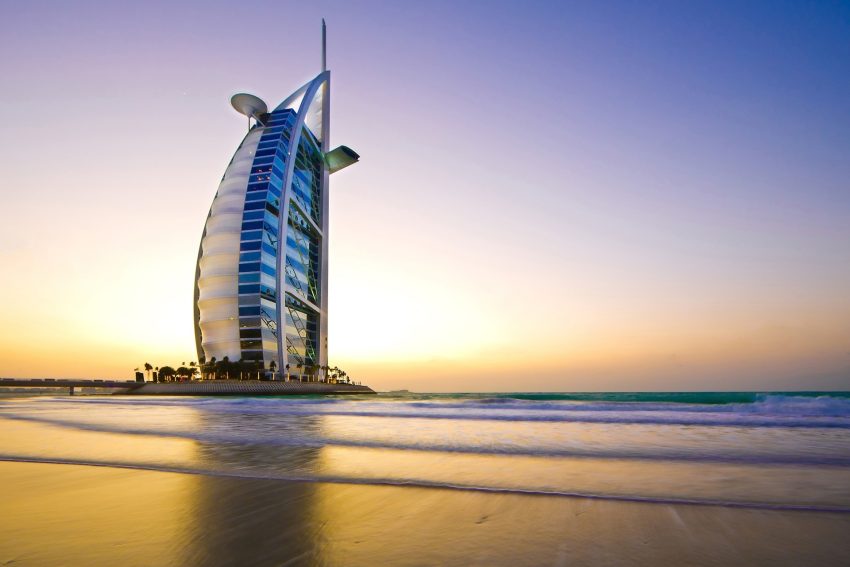
The United Arab Emirates (UAE) is a modern, fast-growing country on the southeastern edge of the Arabian Peninsula, known for its striking skyline, ambitious development, and role as a major crossroads between Asia, Europe, and Africa. Made up of seven emirates-Abu Dhabi, Dubai, Sharjah, Ajman, Umm Al Quwain, Ras Al Khaimah, and Fujairah-the UAE blends contemporary city life with desert landscapes, mountain scenery, and a long coastline along the Arabian Gulf and the Gulf of Oman.
Abu Dhabi, the capital, is the largest emirate and a key center for government, culture, and energy, while Dubai is internationally recognized for its global business environment, tourism, and iconic architecture. Beyond the headline attractions, the UAE offers a diverse mix of experiences, from traditional markets and heritage districts to world-class museums, beaches, and outdoor activities such as dune driving and hiking in the Hajar Mountains.
The country is also notable for its multicultural population and cosmopolitan lifestyle, with communities from around the world contributing to its food, languages, and everyday life. Arabic is the official language, and Islamic traditions shape public life, while the UAE maintains a welcoming environment for visitors and international residents. With advanced infrastructure, major airports and ports, and a strong focus on innovation, the UAE continues to position itself as a leading hub for commerce, travel, and culture in the region.
Table of Contents
- History of United Arab Emirates
- Ancient and pre-Islamic eras
- The spread of Islam and early Islamic centuries
- Maritime competition and regional powers
- The Trucial Coast and British protection
- Pearling economy and hardship
- Oil exploration and the road to federation
- Building the modern state
- Diversification and global integration
- Recent developments
- Best Time to Visit United Arab Emirates
- Food and Drink from United Arab Emirates
History of United Arab Emirates
The United Arab Emirates (UAE) is a federation of seven emirates on the southeastern coast of the Arabian Peninsula. Its history spans ancient coastal trade, centuries of maritime power and tribal politics, a long period of British-protected status, and a rapid transformation after oil and federation.
Ancient and pre-Islamic eras
Archaeological evidence shows human settlement in the region thousands of years ago, including Bronze Age communities linked to wider trade networks across Mesopotamia, Persia, and the Indus Valley. Coastal and inland oases supported fishing, pearling, herding, and agriculture, while ports and caravan routes connected the area to regional commerce.
The spread of Islam and early Islamic centuries (7th–15th centuries)
Islam reached the region in the 7th century, integrating local communities into the expanding Islamic world. Coastal towns and oasis settlements participated in trade across the Indian Ocean and the Gulf, while local tribal structures remained central to governance and social organization.
Maritime competition and regional powers (16th–18th centuries)
From the 1500s onward, European maritime powers—most notably the Portuguese—sought control over Gulf sea lanes. Over time, regional Arab and Persian forces contested influence along the coast. The area’s economy remained strongly tied to the sea, especially pearling, fishing, and trade.
The Trucial Coast and British protection (19th–mid-20th centuries)
By the early 1800s, Britain became increasingly involved in Gulf affairs to secure maritime routes to India. A series of agreements with local rulers led to the “Trucial” arrangements, under which the coastal sheikhdoms (later called the Trucial States) accepted British oversight in external affairs in exchange for protection and relative stability at sea. Internally, the emirates remained autonomous, governed by their ruling families and shaped by tribal alliances.
Pearling economy and hardship (late 19th–1930s)
Pearling became the dominant economic activity and a major source of income for coastal communities. This prosperity was fragile: the Great Depression and the rise of cultured pearls in the early 20th century caused a severe collapse in the pearling industry, leading to widespread economic hardship and migration.
Oil exploration and the road to federation (1950s–1971)
Oil exploration accelerated after World War II. Commercial oil exports began in Abu Dhabi in the early 1960s, providing resources for infrastructure, public services, and state-building. In 1968, Britain announced it would end its treaty commitments in the Gulf. This decision pushed local leaders to pursue a new political arrangement. After negotiations among the emirates and neighboring territories, six emirates—Abu Dhabi, Dubai, Sharjah, Ajman, Umm Al Quwain, and Fujairah—formed the United Arab Emirates on 2 December 1971. Ras Al Khaimah joined in early 1972, completing the federation of seven.
Building the modern state (1970s–1990s)
The UAE developed a federal system balancing national institutions with significant authority retained by each emirate. Abu Dhabi’s oil wealth funded large-scale development, while Dubai expanded trade, logistics, and services. The country invested heavily in roads, ports, airports, housing, education, and healthcare, and it attracted a large expatriate workforce. The UAE also became active in regional diplomacy and security, including participation in collective Gulf security frameworks.
Diversification and global integration (2000s–2010s)
The UAE pursued economic diversification beyond oil, especially in aviation, tourism, finance, real estate, renewable energy, and technology. Dubai emerged as a global hub for transport and commerce; Abu Dhabi expanded cultural and industrial initiatives. The country experienced rapid urban growth and hosted major international events. It also navigated regional upheavals and shifting security dynamics while maintaining a focus on stability and development.
Recent developments (2020s–present)
In recent years, the UAE has emphasized innovation, advanced industry, clean energy, and space initiatives, alongside regulatory and social reforms aimed at supporting investment and long-term growth. It has continued to play an active diplomatic role and to position itself as a bridge between regions and markets, while managing the challenges of a highly globalized economy and a diverse population.
Best Time to Visit United Arab Emirates
Visiting United Arab Emirates in Winter (Best)
Winter (roughly December to February) is the most comfortable time to visit, with mild temperatures and lower humidity—ideal for desert safaris, beach days, outdoor dining, and sightseeing in Dubai, Abu Dhabi, and Sharjah. This is also peak season, so expect higher prices and more crowds, especially around holidays. Festival highlights often include Dubai Shopping Festival (typically Dec–Jan), National Day celebrations (Dec 2), and major outdoor events, concerts, and sports fixtures across the country.
Visiting United Arab Emirates in Spring
Spring (roughly March to May) starts pleasantly warm and becomes hotter as the season progresses. Early spring is great for outdoor activities—beaches, rooftop venues, and day trips—while late spring is better for shorter outings and indoor attractions during midday. Festival highlights can include Ramadan and Eid (dates vary each year), which bring a distinctive cultural atmosphere, special night markets, and extended evening dining and shopping hours.
Visiting United Arab Emirates in Summer
Summer (roughly June to August) is extremely hot and humid, especially in coastal cities, so it’s best suited for travelers focused on indoor experiences like malls, museums, aquariums, theme parks, spas, and fine dining. It can be a good time for deals on hotels and flights. Festival highlights often include Dubai Summer Surprises (typically June–August), featuring retail promotions, family entertainment, and indoor events.
Visiting United Arab Emirates in Autumn
Autumn (roughly September to November) marks the return of more comfortable weather, especially from late October onward, making it a strong shoulder season for beaches, desert activities, and outdoor sightseeing without peak-winter crowds. Festival highlights may include major sports and cultural events as the outdoor calendar ramps up again, with increasing numbers of concerts, exhibitions, and citywide festivals toward November.
Food and Drink from United Arab Emirates
Food and drink in the United Arab Emirates reflect a blend of Bedouin heritage, Gulf coastal life, and influences from Persia, India, and the wider Arab world. Traditional Emirati cooking is shaped by the desert climate and seafaring past, relying on ingredients that store well and travel easily—rice, wheat, dates, dried limes, and aromatic spices. Meals often balance warmth and fragrance, with cardamom, saffron, turmeric, cinnamon, and cloves lending depth, while fresh herbs and lemon brighten richer dishes.
Staple foods include rice-based dishes such as machboos (spiced rice with chicken, lamb, or fish) and harees (slow-cooked wheat and meat with a porridge-like texture), both commonly served at family gatherings and celebrations. Seafood remains central in coastal areas, with grilled or stewed fish featuring prominently, sometimes seasoned with dried lime for a distinctive tang. Another well-known dish is thareed, a comforting stew poured over thin bread, valued for its hearty, communal style of eating.
Sweet flavors are closely tied to hospitality and religious festivals. Dates are an everyday offering and a key ingredient in desserts, often paired with tahini or served simply alongside coffee. Popular sweets include luqaimat—small fried dumplings drizzled with date syrup or honey—and various pastries and puddings flavored with saffron, rosewater, and cardamom. Nuts such as pistachios and almonds are common, adding richness and texture to celebratory dishes.
Drinks in the UAE are strongly associated with welcoming guests, especially Arabic coffee (gahwa), typically lightly roasted and infused with cardamom, then poured in small cups and served with dates. Karak chai, a sweet, spiced milk tea with South Asian roots, is widely enjoyed across the country and has become a daily staple. Fresh juices and fruit blends are also popular in the warm climate, alongside laban, a refreshing yogurt-based drink. In modern cities, traditional tastes sit comfortably beside a global dining scene, where Emirati classics are enjoyed alongside cuisines from around the world.