U.S. Virgin Islands: The Ultimate Travel Guide 2026
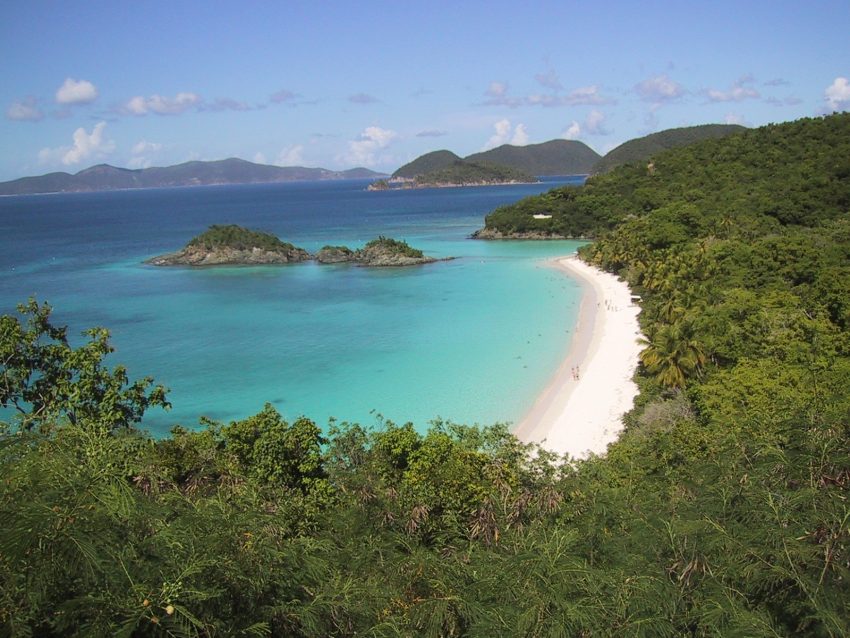
The U.S. Virgin Islands (USVI) is a U.S. territory in the Caribbean known for clear turquoise water, warm trade winds, and a laid-back island pace. Made up primarily of St. Thomas, St. John, and St. Croix-along with many smaller islets-the islands offer a mix of lively harbors, quiet coves, and lush hillsides that drop into coral-fringed bays. English is widely spoken, the U.S. dollar is used, and travel feels familiar for many visitors while still delivering a distinctly tropical setting.
Each main island has its own personality. St. Thomas is the busiest, with a popular cruise port, shopping, and panoramic viewpoints above Charlotte Amalie. St. John is more low-key and nature-forward, with a large portion of the island protected as national parkland and some of the region’s most celebrated beaches and snorkeling spots. St. Croix feels broader and more residential, with a strong food scene, historic towns, and easy access to diving, hiking, and bioluminescent waters.
Whether you’re planning a beach escape, an active outdoor trip, or a mix of both, the USVI makes it easy to tailor your days. You can sail between islands, snorkel right off the sand, explore rainforest trails, or linger over local flavors and live music after sunset. With year-round sunshine and a welcoming, multicultural vibe, the U.S. Virgin Islands is a compact destination that still offers plenty of variety.
Table of Contents
- History of U.S. Virgin Islands
- Before European colonization
- 1493–1600s: European contact and early rivalry
- 1600s–1700s: Danish West Indies and the plantation system
- 1800s: Abolition pressures, emancipation, and economic decline
- 1917: Transfer to the United States
- Mid-1900s: Citizenship and expanding self-government
- Late 1900s–present: Modern political status and ongoing debates
- Best Time to Visit U.S. Virgin Islands
- Food and Drink from U.S. Virgin Islands
History of U.S. Virgin Islands
The history of the U.S. Virgin Islands is shaped by Indigenous settlement, European colonization, plantation slavery, emancipation, shifting imperial control, and a 20th-century transition into an unincorporated U.S. territory with evolving self-government.
Before European colonization
Long before Europeans arrived, the islands were home to Indigenous peoples who traveled and traded across the Caribbean. Archaeological evidence points to successive waves of settlement over centuries, including communities often associated with the Taíno and later the Kalinago (Caribs). These societies fished, farmed, and maintained regional networks linking many islands.
1493–1600s: European contact and early rivalry
Christopher Columbus passed through the islands in 1493 and named the archipelago in honor of Saint Ursula and the “11,000 virgins,” a name that later evolved into “Virgin Islands.” European powers competed for footholds in the Lesser Antilles, and the islands became entangled in conflict, raiding, and disease-driven demographic collapse among Indigenous populations. Permanent European settlement developed unevenly, influenced by strategic harbors and the growing plantation economy elsewhere in the Caribbean.
1600s–1700s: Danish West Indies and the plantation system
Denmark established control over St. Thomas in the late 1600s, later acquiring St. John and purchasing St. Croix from France in the 1700s. Together these became the Danish West Indies. The islands’ economy was organized around plantation agriculture—especially sugar—powered by enslaved Africans and their descendants. St. Thomas also grew into an important Caribbean port, with commerce tied to regional trade routes.
Enslaved people resisted in many ways, from everyday acts of defiance to organized revolt. A major uprising on St. John in 1733, involving enslaved Africans (including many from the Akwamu people), seized control of much of the island for months before being violently suppressed. Such resistance remained a constant undercurrent of plantation society.
1800s: Abolition pressures, emancipation, and economic decline
By the 19th century, global changes—abolition movements, shifting trade patterns, and competition from other sugar producers—strained the plantation economy. Denmark ended the transatlantic slave trade earlier than many powers, but slavery itself persisted until 1848. That year, amid unrest and pressure from the enslaved population, emancipation was proclaimed, ending slavery in the Danish West Indies.
Freedom did not bring equality. Many formerly enslaved people faced harsh labor conditions, limited political rights, and economic dependency. Labor unrest continued, including significant worker protests and conflicts later in the century, reflecting deep tensions over wages, land access, and governance.
1917: Transfer to the United States
During World War I, the United States purchased the islands from Denmark, motivated largely by strategic concerns about Caribbean sea lanes and the defense of the Panama Canal. The transfer took effect in 1917, and the islands became known as the U.S. Virgin Islands. Under U.S. administration, residents initially had limited self-rule, and the territory’s legal and political status developed gradually.
Mid-1900s: Citizenship and expanding self-government
U.S. citizenship was extended to residents in the 1920s, a major shift in legal status and mobility. Over subsequent decades, federal laws and local reforms expanded civil government. The Revised Organic Act of 1954 became a foundational framework for the territory’s modern governance, establishing key institutions and clarifying the relationship between local authority and federal oversight.
Economic life also changed. Tourism grew steadily, and the islands’ economy diversified beyond agriculture. St. Croix later became home to large-scale industrial activity, including oil refining, which influenced employment and public revenues for decades.
Late 1900s–present: Modern political status and ongoing debates
In the latter 20th century, the U.S. Virgin Islands increased local democratic control, including the election of a governor (beginning in 1970) and a stronger territorial legislature. At the same time, the territory remained “unincorporated,” meaning the U.S. Constitution applies only in part and Congress retains ultimate authority.
Public debate has continued over political status and self-determination—ranging from maintaining the current territorial arrangement to seeking greater autonomy, statehood, or independence. Economic challenges, federal policy changes, natural disasters, and infrastructure needs have repeatedly shaped public life. Hurricanes, including major storms in 2017, underscored vulnerabilities while also prompting rebuilding efforts and renewed attention to resilience.
Today, the U.S. Virgin Islands’ history is visible in its languages and place names, its Afro-Caribbean cultural traditions, its Danish colonial architecture, and its political relationship with the United States—an ongoing story of adaptation, identity, and the pursuit of fuller self-governance.
Best Time to Visit U.S. Virgin Islands
Visiting U.S. Virgin Islands in Winter (Best)
Winter (December–March) is the most popular time to visit the U.S. Virgin Islands thanks to warm, sunny days, lower humidity, and minimal rainfall—ideal for beach time, sailing, snorkeling, and hiking. It’s also peak season, so expect higher prices and the need to book flights and accommodations well in advance. Festival highlight: Carnival season ramps up across the islands, with major celebrations on St. Thomas typically spanning late winter into spring.
Visiting U.S. Virgin Islands in Spring
Spring (April–May) brings continued great weather with fewer crowds than winter, making it a sweet spot for travelers who want excellent conditions without peak-season intensity. The ocean is clear and calm for water activities, and rates may start to ease compared with winter. Festival highlight: St. Thomas Carnival is a major draw, usually held in April or May, featuring parades, music, food, and cultural events.
Visiting U.S. Virgin Islands in Summer
Summer (June–August) is hotter and more humid, with a higher chance of brief tropical showers. It’s a good time for travelers looking for better deals and a more relaxed, less crowded feel—especially if you plan midday breaks and focus on early-morning or late-afternoon activities. Festival highlight: St. John Celebration (often late June to early July) is a standout, with festivities tied to Emancipation Day, including parades, performances, and local food.
Visiting U.S. Virgin Islands in Fall
Fall (September–November) is the quietest season and often the best for bargains, but it overlaps with the Atlantic hurricane season, with the highest risk typically in September and October. If you visit during this time, consider travel insurance and flexible plans. By November, conditions generally improve, and the islands begin transitioning toward the drier, busier winter period. Festival highlight: Some years feature cultural and food events in the lead-up to the holiday season, with more activity returning as winter approaches.
Food and Drink from U.S. Virgin Islands
Food and drink in the U.S. Virgin Islands reflect a lively blend of African, Caribbean, and European influences shaped by centuries of trade and migration. Local cooking leans on bold seasoning, slow-simmered stews, and plenty of seafood, with meals often built around what the islands provide: fish from nearshore waters, tropical fruit, root vegetables, and fragrant herbs and spices. You’ll see a strong tradition of home-style “island plates” served at roadside stands, family-run restaurants, and community gatherings, where recipes are passed down and adapted to what’s freshest that day.
Seafood is central, and one of the best-known dishes is fish and fungi (pronounced “foon-jee”), often considered a signature comfort food. Fungi is a cornmeal-based side, similar in spirit to polenta, typically cooked with okra and served alongside stewed or fried fish in a savory sauce. Conch appears in fritters, chowders, and salads, while lobster, snapper, and mahi-mahi are common menu staples. Another local favorite is callaloo, a hearty soup or stew made with leafy greens and often enriched with okra, herbs, and sometimes crab or other meats.
Island sides and snacks are just as distinctive. Johnnycakes—small fried breads—are widely eaten with breakfast or alongside savory dishes, and pate (a handheld pastry) is often filled with spiced meat, saltfish, or vegetables. You’ll also find rice dishes, beans, and slow-cooked meats, plus plenty of tropical produce such as mango, papaya, guava, soursop, and passion fruit. Sweet treats may include coconut tarts and other baked goods that highlight local fruit and warm spices.
Drinks range from fresh and fruity to famously strong. Rum is a major part of the islands’ identity, showing up in classic rum punches, piña coladas, and cocktails mixed with local juices. Nonalcoholic options are plentiful too, including fresh-squeezed fruit juices, tamarind and ginger drinks, and cooling blends made from sorrel (hibiscus) or other botanicals. Whether you’re sipping something beachside or pairing a drink with a plate of seafood, the flavors of the U.S. Virgin Islands tend to be bright, aromatic, and unmistakably Caribbean.