Tuvalu: The Ultimate Travel Guide 2026
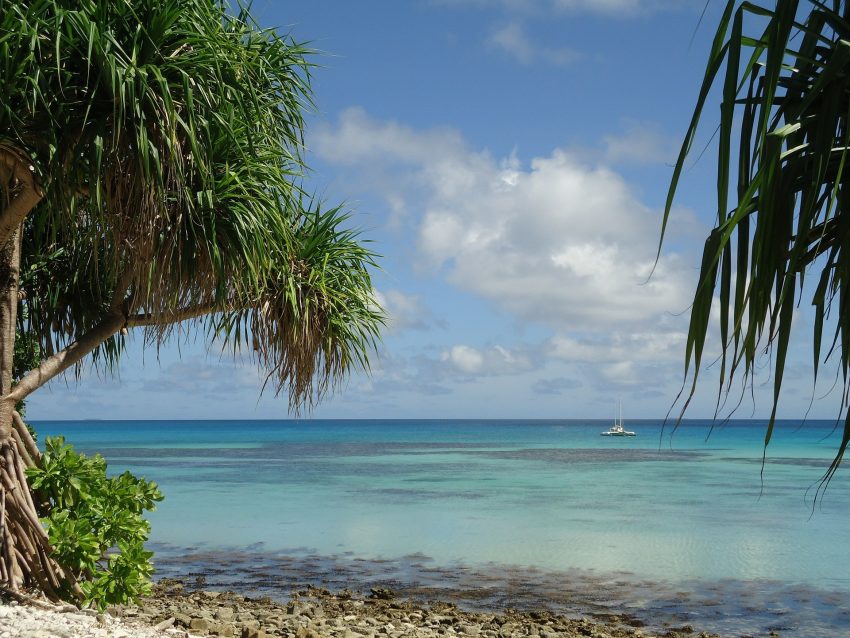
Tuvalu is a small island nation in the Pacific Ocean, made up of nine low-lying islands and atolls scattered across a wide stretch of water. Known for its turquoise lagoons, palm-lined shores, and quiet villages, it offers a distinctly peaceful pace of life shaped by the sea. Its capital, Funafuti, is the country’s main hub, where government offices, shops, and the airport sit close to the lagoon.
Life in Tuvalu is closely tied to the ocean and the land, with fishing, small-scale farming, and community traditions playing a central role in daily routines. Tuvaluan culture is expressed through music, dance, and strong communal values, and visitors often notice the warmth and hospitality that define local social life. The islands’ remoteness also means that services and supplies can be limited, adding to the sense of simplicity and self-reliance.
Tuvalu is also widely recognized for the environmental challenges it faces as a very low-elevation country. Rising sea levels, coastal erosion, and saltwater intrusion affect freshwater and agriculture, making climate resilience a major national priority. Despite these pressures, Tuvalu maintains a strong identity and a close-knit society, offering a compelling example of island life in one of the world’s smallest nations.
Table of Contents
History of Tuvalu
Tuvalu is a Polynesian island nation in the central Pacific made up of nine low-lying atolls and reef islands. Its history is shaped by long-distance voyaging, small-island community life, colonial rule under Britain, and modern struggles and diplomacy centered on sovereignty, development, and climate vulnerability.
Before European contact (c. 1000 CE–1700s)
Tuvalu’s first settlers were Polynesian voyagers, likely arriving from Samoa, Tonga, and other parts of Western Polynesia. Over time, distinct island communities formed on each atoll, organized around extended families, chiefly authority, and customary land tenure. Inter-island travel and exchange existed, but each island developed its own local traditions and leadership structures. Oral histories and genealogies preserved accounts of origins, alliances, and conflicts, while daily life revolved around fishing, coconut cultivation, and managing scarce freshwater and land.
Early European encounters (1700s–1800s)
European ships began passing through the region in the late 18th century, with intermittent sightings and landfalls. Sustained contact increased in the 19th century through whalers, traders, and missionaries. Christianity spread widely and became a central part of social and political life, influencing education, community organization, and norms.
The 19th century also brought severe disruption. Like many Pacific islands, Tuvalu suffered from “blackbirding,” the coercive recruitment or kidnapping of islanders for labor elsewhere in the Pacific. Population losses and social upheaval were significant, and communities had to rebuild in the aftermath.
Protectorate and colonial administration (1892–1945)
In 1892, the islands—then commonly called the Ellice Islands—became part of the British Protectorate of the Gilbert and Ellice Islands. Colonial administration was limited but introduced new legal and administrative systems, alongside mission influence. Island councils and local leadership continued to play major roles in governance, but within a framework shaped by British oversight.
During World War II, the central Pacific became strategically important. Tuvalu’s islands were drawn into wartime logistics and defense, with infrastructure such as airstrips built on some islands. The war accelerated contact with the outside world and introduced new materials, technologies, and experiences that affected postwar expectations and development.
Decolonization and separation from the Gilberts (1945–1978)
After the war, political development increased across the colony. Over time, ethnic and political differences between the predominantly Micronesian Gilbert Islands and the predominantly Polynesian Ellice Islands became more salient. Debates over representation, language, and administrative priorities led to calls for separation.
A referendum in the 1970s supported separation, and the Ellice Islands became a distinct territory. In 1978, Tuvalu became an independent country, choosing a parliamentary system within the Commonwealth, with the British monarch as head of state represented locally.
Early independence and nation-building (1978–1990s)
Independence required building national institutions while maintaining strong island-level governance and customary practices. The capital, Funafuti, grew in importance as the administrative center, drawing people from outer islands and creating new pressures on land, housing, and services.
Tuvalu’s economy remained constrained by geography and scale. Government services, remittances, fishing-related income, and external assistance were central. Over time, Tuvalu also developed revenue streams linked to its maritime zone and international arrangements, while continuing to rely on community networks and overseas employment.
Global visibility and climate politics (1990s–present)
From the late 20th century onward, Tuvalu became internationally prominent as one of the world’s most low-lying countries, facing increasing risks from sea-level rise, coastal erosion, saltwater intrusion, and extreme weather. These threats affected settlement patterns, water security, agriculture, and long-term planning, and they shaped Tuvalu’s diplomacy.
Tuvalu joined major international organizations and used global forums to advocate for strong climate action, emphasizing the connection between emissions, survival, and sovereignty. At the same time, it pursued development priorities such as improved infrastructure, education, health services, connectivity, and disaster resilience.
In the 21st century, Tuvalu has continued balancing tradition and modern governance, managing limited land and resources, and navigating geopolitical interest in the Pacific—while keeping climate impacts and the protection of its people, culture, and statehood at the center of national policy.
Best Time to Visit Tuvalu
Visiting Tuvalu in Summer (December–February)
Summer in Tuvalu is hot, humid, and falls within the wetter cyclone season. It can still be a rewarding time to visit if you’re comfortable with tropical downpours and want fewer crowds, but plan for weather disruptions and keep schedules flexible. This season is best for travelers prioritizing a quieter feel over consistently clear skies.
Visiting Tuvalu in Autumn (March–May)
Autumn is a strong shoulder season: conditions often begin to settle after the peak wet months, with warm temperatures and improving weather. It’s a good time for lagoon activities, snorkeling, and relaxed island time without the higher chance of major weather interruptions seen earlier in the year.
Visiting Tuvalu in Winter (June–August) (Best)
Winter is typically the driest, most comfortable period in Tuvalu, with lower humidity and more reliable sunshine. It’s ideal for swimming, snorkeling, diving, and enjoying time outdoors. If you want the best balance of pleasant weather and dependable travel conditions, this is generally the top choice.
Visiting Tuvalu in Spring (September–November)
Spring is another excellent window, with plenty of warm, clear days before the wetter season builds again later in the year. It’s a great time for water activities and exploring Funafuti and nearby islets. If you’re aiming for good weather while avoiding the peak of the driest-season demand, early spring can be especially appealing.
Festivals and highlights in Tuvalu
If cultural events are a priority, consider timing your trip around Tuvalu Day celebrations (often in early October), which can feature performances, community events, and a lively national atmosphere. Dates and programming can vary, so it’s worth confirming locally when planning.
Food and Drink from Tuvalu
Tuvalu’s food and drink reflect its small atoll environment, where what people eat is shaped by the sea, sandy soils, and what can be grown in home gardens. Daily meals often combine local staples with imported foods, especially on Funafuti where shops are more common. Traditional cooking emphasizes simple preparation—boiling, baking, grilling, and steaming—using whatever is freshest and most available. Community life is closely tied to food, with shared meals and gatherings marking church events, celebrations, and family occasions.
Local staples include pulaka (swamp taro), taro, breadfruit, and bananas, along with coconut in many forms. Pulaka is especially important and is traditionally grown in deep pits to reach fresher groundwater, then baked or boiled and eaten with coconut cream. Breadfruit is roasted or boiled and can be mashed, while bananas are eaten ripe or cooked. Coconut is central: the flesh is eaten fresh, grated into dishes, pressed for cream, or used to enrich soups and puddings.
Seafood is a major source of protein, with fish such as tuna and reef species commonly caught and prepared at home. Fish may be grilled over open flame, baked, boiled in coconut-based broths, or served with starchy sides like pulaka or breadfruit. Shellfish and other lagoon foods can also feature depending on season and local availability. Because fishing and sharing catches are part of everyday life, seafood often anchors both ordinary dinners and larger communal feasts.
Drinks in Tuvalu range from fresh coconut water to tea and other beverages brought in through imports. Coconut water is a natural refreshment, while coconut cream is used more as an ingredient than a drink. At gatherings, sweet treats and desserts—often based on coconut, banana, and starchy roots—may be served alongside hot tea. In modern diets, packaged drinks and other imported items are increasingly common, but local preferences still center on the flavors of coconut, fresh fish, and island-grown staples.