Turks and Caicos: The Ultimate Travel Guide 2026
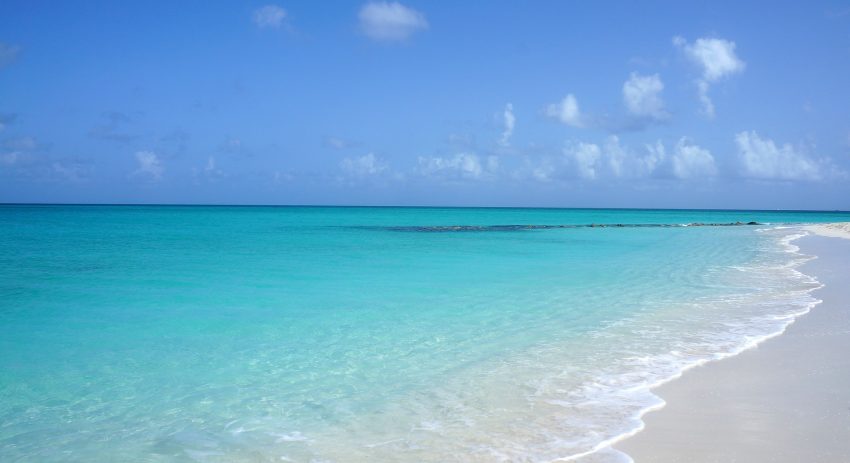
Turks and Caicos is a sun-soaked British Overseas Territory in the Atlantic, known for its clear turquoise water, powdery white-sand beaches, and laid-back island atmosphere. Made up of two island groups and dozens of cays, it offers a mix of lively hubs and quieter, more secluded stretches of coastline. The islands are especially popular with travelers looking for warm weather, easygoing luxury, and a strong connection to the sea.
Most visitors base themselves on Providenciales, home to well-developed resorts, restaurants, and the famous Grace Bay Beach, while other islands like Grand Turk, North Caicos, and Middle Caicos feel more low-key and local. Beyond the beaches, Turks and Caicos is a standout destination for snorkeling, scuba diving, and boating, with vibrant coral reefs and dramatic underwater walls close to shore. Calm, shallow waters in many areas also make it a great choice for swimming and paddleboarding.
The overall vibe is relaxed and refined, with a focus on outdoor living-think beach days, sunset dinners, and exploring by water. You’ll find a blend of Caribbean flavors and international cuisine, along with friendly communities and a slower pace that encourages you to unwind. Whether you’re planning a romantic escape, a family trip, or a quiet break from busy routines, Turks and Caicos offers an easy, breezy setting to reset and recharge.
Table of Contents
- History of Turks and Caicos
- Before European contact
- European arrival and early colonial interest
- Salt, Bermudian settlement, and plantation attempts
- Loyalists, slavery, and emancipation
- Shifting administration and ties to the Bahamas
- Toward modern self-government
- Tourism, development, and new pressures
- Constitutional change and direct rule
- Recent decades
- Best Time to Visit Turks and Caicos
- Food and Drink from Turks and Caicos
History of Turks and Caicos
The history of the Turks and Caicos Islands is shaped by Indigenous settlement, European rivalry, salt and maritime trade, slavery and emancipation, shifting colonial administration, and—more recently—tourism, offshore finance, and modern constitutional change.
Before European contact
Long before Europeans arrived, the islands were inhabited by Indigenous peoples of the Lucayan Taíno cultural sphere. They lived in small communities, fishing and farming, and traveled among the Bahamian and northern Caribbean islands by canoe. Their presence is reflected in archaeological sites, artifacts, and place-name traditions across the archipelago.
European arrival and early colonial interest (1490s–1600s)
After the first European voyages to the region in the late 15th century, the Lucayan population was rapidly devastated and displaced, largely through enslavement and forced removal to other colonies, along with disease and social collapse. For much of the 1500s and 1600s, the Turks and Caicos were not heavily settled by Europeans, but they were used intermittently by sailors and privateers and became part of broader imperial competition in the Caribbean.
Salt, Bermudian settlement, and plantation attempts (late 1600s–1700s)
The islands’ early economic importance centered on salt. The shallow salinas—especially on Grand Turk and Salt Cay—were ideal for solar evaporation. Bermudian salt rakers began seasonal and then more permanent operations, exporting salt to North American and Caribbean markets where it was essential for preserving food.
Alongside salt, there were attempts at plantation-style agriculture, particularly on Caicos, but the thin soils and limited freshwater made large-scale plantation success difficult compared with other Caribbean colonies. Enslaved Africans were brought to work in salt production and other labor, embedding slavery into the islands’ social and economic foundations.
Loyalists, slavery, and emancipation (late 1700s–1800s)
After the American Revolutionary War, Loyalist settlers and enslaved people arrived from the newly independent United States and other colonies, increasing population and expanding settlement patterns, especially in the Caicos Islands. Even where plantations struggled, slavery remained central to labor and social hierarchy.
Emancipation in the British Empire in the 1830s transformed island society. Freed people established villages and livelihoods under difficult conditions, often tied to limited land, fragile local economies, and periodic shocks to salt and maritime trade. Over time, the salt industry faced competition and changing markets, and many islanders relied on seafaring, small-scale farming, fishing, and migration for work.
Shifting administration and ties to the Bahamas (1800s–mid-1900s)
The Turks and Caicos experienced multiple administrative changes within the British colonial system. For long periods they were governed in association with the Bahamas, reflecting geographic proximity and economic links. Local governance structures evolved gradually, but decision-making often remained distant, and the islands’ small population and limited revenues constrained public services and infrastructure.
Toward modern self-government (1960s–1980s)
In the era of decolonization, the Turks and Caicos moved toward more distinct political institutions. As the Bahamas advanced to independence (achieved in 1973), the Turks and Caicos remained a British territory and developed their own constitutional arrangements and local political leadership. The late 20th century saw steady growth in air links, public administration, and the early foundations of a tourism economy.
Tourism, development, and new pressures (1980s–2000s)
From the 1980s onward, tourism—especially centered on Providenciales—expanded rapidly, driven by resort development, improved airports and roads, and international investment. The economy diversified into services, including financial and corporate services, while construction boomed.
This growth brought major demographic change, with increased immigration from neighboring countries and beyond, creating a more diverse population but also raising challenges around housing, labor regulation, public services, and social integration.
Constitutional change and direct rule (2000s–2010s)
As the economy grew, governance and integrity issues became more prominent in public debate. In the late 2000s, serious allegations of corruption led to a period in which parts of local self-government were suspended and the territory was administered more directly by the United Kingdom. Reforms followed, and a new constitutional framework was introduced in the early 2010s, restoring elected government with updated checks and oversight mechanisms.
Recent decades (2010s–present)
In the 2010s and 2020s, the Turks and Caicos continued to develop as a high-end tourism destination, with ongoing investment in hospitality, real estate, and infrastructure. At the same time, the islands have faced familiar small-island pressures: high exposure to hurricanes and climate risks, cost-of-living concerns, debates over immigration and belonging, and the need to balance rapid development with environmental protection—especially of reefs, wetlands, and beaches that underpin both heritage and the modern economy.
Today, the Turks and Caicos remain a British Overseas Territory with an elected government and a distinct identity shaped by Indigenous roots, African and Caribbean heritage, maritime traditions, and the transformative impact of late-20th-century globalization.
Best Time to Visit Turks and Caicos
Visiting Turks and Caicos in Winter (Best)
Winter (December–February) is the most popular time to visit Turks and Caicos thanks to warm, dry weather, low humidity, and consistently sunny days—ideal for beach time, snorkeling, diving, and boating. Expect the highest prices and the busiest resorts, especially around Christmas, New Year, and school holiday periods, so booking flights and accommodation well in advance is important.
Festival highlight: Junkanoo celebrations around late December to early January can be a major cultural draw, with music, dancing, and parades.
Visiting Turks and Caicos in Spring
Spring (March–May) is a sweet spot for many travelers: the weather stays dry and warm, the ocean is clear, and crowds often ease compared with peak winter. It’s a great season for water activities like paddleboarding, kayaking, reef snorkeling, and diving, with excellent visibility and comfortable temperatures.
Festival highlight: Depending on the year and island, spring can feature local regattas and community events that showcase sailing culture, food, and music.
Visiting Turks and Caicos in Summer
Summer (June–August) brings hotter temperatures and higher humidity, with a lively, energetic feel—great if you want a more relaxed pace on the islands and don’t mind the heat. This is a strong season for swimming and boating, and you may find better accommodation deals than in winter, though family travel can keep certain weeks busy.
Festival highlight: Summer can include island cultural celebrations and music-forward events, and it’s a good time to look for local food festivals and weekend gatherings.
Visiting Turks and Caicos in Fall
Fall (September–November) is typically the quietest season, often offering the best value on hotels and flights. It’s also the heart of the Atlantic hurricane season (peaking around September), so travel plans should be flexible and trip insurance is worth considering. When the weather cooperates, you’ll still get plenty of warm beach days and fewer crowds.
Festival highlight: Toward late fall, cultural events and holiday lead-up celebrations may begin to appear, and it can be a good time to experience a more local, low-key side of the islands.
Food and Drink from Turks and Caicos
Food and drink in the Turks and Caicos Islands reflect a blend of sea-driven island cooking and Caribbean influences, shaped by what’s fresh, local, and seasonal. Seafood is central to many meals, often prepared simply to highlight clean flavors—grilled, stewed, fried, or served with bright citrus and peppers. Alongside the ocean’s bounty, everyday plates commonly feature rice, peas, plantains, and hearty sides that suit the warm climate and relaxed pace of dining.
Conch is the signature ingredient and shows up in multiple forms across the islands. You’ll find it in conch salad—chopped conch mixed with lime or sour orange, onions, peppers, and herbs—along with conch fritters and conch chowder. Lobster is another standout, especially in season, frequently grilled or served with buttery sauces and island sides. Fish such as snapper, grouper, and tuna also appear regularly, whether as fillets, in stews, or tucked into sandwiches and wraps.
Local comfort foods add depth beyond seafood, with dishes that lean on slow-cooked flavor and satisfying textures. Peas and rice, macaroni pie, and fried plantains are common accompaniments, while stewed meats and curries can appear at family-run eateries and weekend gatherings. Breads and pastries are part of the daily rhythm too, from simple breakfast items to sweet treats that pair well with coffee or tea.
Drinks range from casual and refreshing to celebratory, often built around tropical fruit and island spirits. Rum is a staple in cocktails, joined by mixers like pineapple, lime, and coconut, while local beers are popular in beach bars and restaurants. Non-alcoholic options include fresh juices and fruit punches, and you’ll often see coconut water enjoyed straight from the shell. Whether you’re dining seaside or grabbing something quick, the islands’ food and drink culture is defined by freshness, simplicity, and a strong connection to the sea.