Tunisia: The Ultimate Travel Guide 2026
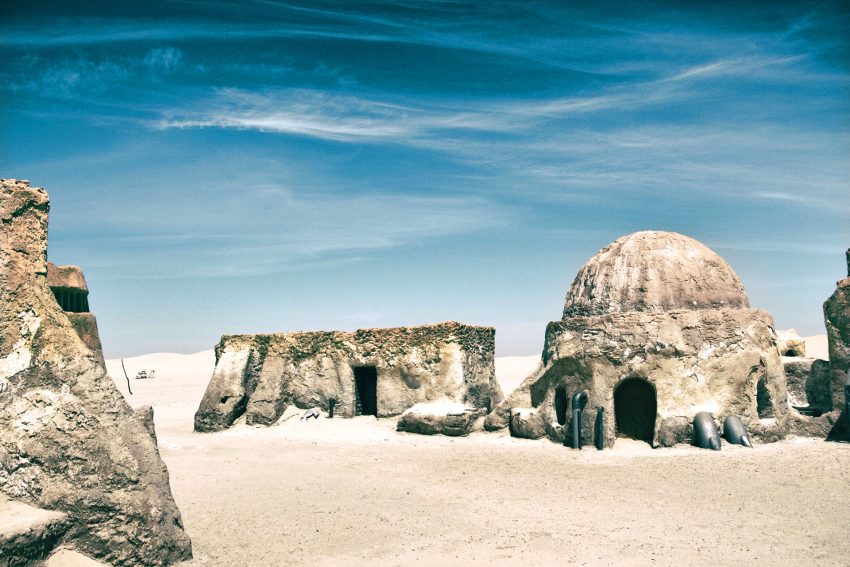
Tunisia is a North African country on the Mediterranean coast, known for its mix of seaside towns, desert landscapes, and lively cities. Its capital, Tunis, blends modern neighborhoods with traditional markets, while coastal destinations like Sidi Bou Said, Hammamet, and Sousse draw visitors with beaches, cafés, and a relaxed pace. Compact in size, Tunisia is easy to travel across, shifting quickly from green hills in the north to the wide-open Sahara in the south.
The country’s landscapes are varied and striking: fertile plains and forests near the northern ranges, salt flats and oases inland, and sweeping dunes beyond the desert edge. Outdoor experiences range from hiking and exploring canyons to visiting oasis towns such as Tozeur and Douz, or taking a desert excursion by 4×4 or camel. Along the coast, warm waters and long stretches of sand make it a popular spot for swimming, sailing, and sun-soaked getaways.
Tunisia’s culture is equally diverse, shaped by Mediterranean and North African influences that show up in daily life, architecture, and food. Local cuisine highlights olive oil, seafood, couscous, grilled meats, and spicy harissa, often enjoyed in bustling eateries or family-run restaurants. Whether you’re wandering through a medina, sipping mint tea, or browsing artisan crafts, Tunisia offers a welcoming atmosphere and a distinctive sense of place.
Table of Contents
- History of Tunisia
- Prehistory to Phoenician settlement
- Carthage and Punic power
- Roman Africa
- Vandals and Byzantines
- Islamic conquest and early Islamic states
- Aghlabids, Fatimids, and Zirids
- Hafsid Tunisia
- Ottoman era and the Husainid beys
- French protectorate
- Independence and Bourguiba’s republic
- Ben Ali’s rule
- The 2011 revolution and democratic transition
- Recent political shifts
- Best Time to Visit Tunisia
- Food and Drink from Tunisia
History of Tunisia
Tunisia’s history spans prehistoric settlement, Phoenician and Roman empires, Islamic dynasties, Ottoman rule, French colonialism, and a modern republic shaped by the 2011 revolution.
Prehistory to Phoenician settlement
Humans lived in what is now Tunisia from deep prehistory, leaving stone tools and early cultural remains across the country. By the early 1st millennium BCE, Phoenician traders from the Levant established coastal outposts to support Mediterranean commerce.
Carthage and Punic power (c. 814–146 BCE)
Carthage grew from a Phoenician-founded settlement into the dominant power of the western Mediterranean, building a maritime empire and extensive trade networks. Its rivalry with Rome culminated in the Punic Wars (264–146 BCE). After Carthage’s defeat in the Third Punic War, Rome destroyed the city in 146 BCE, ending Carthaginian political independence.
Roman Africa (146 BCE–5th century CE)
Under Rome, Tunisia became a core part of the province of Africa, later subdivided into multiple provinces. The region was a major grain and olive-oil producer and one of the most urbanized areas of the empire, with impressive infrastructure and cities such as Carthage (rebuilt), Thysdrus (El Jem), and Dougga. Christianity spread early and deeply, producing influential thinkers and intense theological debates. From the late 4th century onward, imperial instability and external pressures weakened Roman control.
Vandals and Byzantines (5th–7th centuries)
The Vandals seized Carthage in the 5th century, establishing a kingdom that controlled parts of North Africa and Mediterranean sea lanes. In the 6th century, the Byzantine Empire reconquered the region, restoring imperial administration but facing persistent local unrest and mounting external challenges.
Islamic conquest and early Islamic states (7th–10th centuries)
Arab-Muslim forces entered North Africa in the 7th century, and the founding of Kairouan became a pivotal moment in the Islamization and Arabization of the region. Over time, local and regional dynasties governed in the name of larger caliphates or with increasing autonomy. Tunisia became a center of scholarship, trade, and administration linking the Mediterranean to the Sahara.
Aghlabids, Fatimids, and Zirids (9th–12th centuries)
The Aghlabids ruled from Kairouan and launched campaigns that extended influence across the central Mediterranean, including the conquest of Sicily. The Fatimids later rose in the region, founding a powerful Shi‘i caliphate before shifting their capital to Egypt. Zirid rulers followed, and political fragmentation and conflict reshaped Tunisia’s cities and countryside, with shifting alliances and demographic change.
Hafsid Tunisia (13th–16th centuries)
The Hafsid dynasty established a long-lasting state centered on Tunis, which became a major Mediterranean port and cultural hub. Tunisia’s position between Europe, the Maghreb, and the Ottoman world made it prosperous but also exposed it to rivalry among regional powers and European maritime states.
Ottoman era and the Husainid beys (16th century–1881)
Ottoman influence expanded into Tunisia amid competition with Spain and other European powers. Tunisia became an Ottoman province in which local rulers—especially the beys—held substantial autonomy while acknowledging Ottoman sovereignty. Under the Husainid dynasty (from the early 18th century), Tunisia developed a distinct political identity, balancing internal reform efforts with growing European economic and diplomatic pressure. In the 19th century, fiscal crises and foreign debt increased outside leverage, setting the stage for colonial takeover.
French protectorate (1881–1956)
France established a protectorate in 1881, controlling key institutions while maintaining the formal rule of the bey. The period brought major economic and infrastructural changes, land and labor transformations, and significant social disruption. Tunisian nationalism grew through political parties, unions, and intellectual movements, intensifying after World War II and culminating in negotiations and struggle for independence.
Independence and Bourguiba’s republic (1956–1987)
Tunisia gained independence in 1956 and became a republic in 1957 under Habib Bourguiba. The state pursued strong centralization and a modernization agenda, including major expansions in education, public health, and women’s legal status, alongside limits on political pluralism. Economic strategies shifted over time, and by the 1980s Tunisia faced rising social pressures and political stagnation.
Ben Ali’s rule (1987–2011)
Zine El Abidine Ben Ali took power in 1987, promising reform but presiding over an authoritarian system marked by tight political control, security-state practices, and restrictions on dissent. Economic growth and social development coexisted with corruption, regional inequality, and unemployment, especially among educated youth.
The 2011 revolution and democratic transition
In late 2010 and early 2011, protests sparked by socioeconomic grievances and political repression led to Ben Ali’s departure. Tunisia entered a transition featuring competitive elections, a new constitution adopted in 2014, and periods of coalition governance. The country also faced major security challenges and economic strain, testing institutions and public trust.
Recent political shifts (2021–present)
From 2021 onward, Tunisia experienced a sharp reconfiguration of executive power and political institutions, with contentious debates over constitutional order, governance, and civil liberties. Economic difficulties and social demands have remained central, while Tunisians continue to contest the balance between stability, accountability, and democratic representation.
Best Time to Visit Tunisia
Visiting Tunisia in Spring (Best)
Spring (March to May) is one of the best times to visit Tunisia for comfortable temperatures, green landscapes, and fewer extremes than mid-summer. It’s ideal for exploring ancient sites like Carthage and Dougga, wandering the medinas in Tunis and Sousse, and taking day trips without intense heat. Coastal areas start warming up, and the south is still pleasant for desert excursions before summer temperatures rise.
Visiting Tunisia in Summer
Summer (June to August) is great if your priority is beach time along the Mediterranean coast—think Hammamet, Sousse, Monastir, Djerba, and the Cap Bon peninsula. Expect hot weather inland and in the south, with peak heat in July and August. This is also a lively period for cultural events, including the Carthage International Festival (typically held in summer), which features concerts and performances in an iconic historic setting.
Visiting Tunisia in Autumn
Autumn (September to November) brings warm sea temperatures, easing heat, and a more relaxed pace after peak season. September is especially good for combining beach days with sightseeing, while October and November are comfortable for exploring the Sahara region and desert towns like Douz and Tozeur. If you enjoy food and harvest culture, this season can also be a highlight in rural areas as local produce and seasonal traditions come to the forefront.
Visiting Tunisia in Winter
Winter (December to February) is the quietest time to visit Tunisia, with mild conditions on the coast and cooler temperatures inland and in the desert—sometimes surprisingly cold at night in the south. It’s a good season for city breaks in Tunis, museum visits, and exploring medinas without crowds. While it’s not prime beach weather, winter can be excellent for travelers who prefer lower prices, fewer tourists, and a calmer atmosphere.
Food and Drink from Tunisia
Tunisia’s food reflects a rich mix of Berber roots and Mediterranean influences, shaped by Arab, Ottoman, and French touches. Olive oil is central to everyday cooking, and meals often balance bold spices with fresh ingredients like tomatoes, peppers, onions, chickpeas, and seafood along the coast. Harissa—a fiery chili paste blended with garlic and spices—is a defining condiment, used to season stews, sauces, sandwiches, and even soups. Bread is also essential, commonly served with salads, dips, and shared dishes that encourage communal eating.
Among Tunisia’s best-known dishes is couscous, typically steamed and served with vegetables and meat such as lamb or chicken, though fish couscous is popular in coastal areas. Tajine in Tunisia differs from the Moroccan version: it’s more like a baked egg-and-meat casserole, often layered with potatoes, herbs, and sometimes cheese. Other staples include lablabi, a warming chickpea soup flavored with cumin and harissa and topped with bread, tuna, capers, and a soft-cooked egg. Brik is another classic—thin pastry folded around egg and tuna or minced meat, then fried until crisp.
Salads and small plates play a big role, especially as starters or light meals. Mechouia salad combines grilled peppers and tomatoes with garlic, olive oil, and spices, often finished with tuna, olives, and hard-boiled egg. You’ll also find dishes featuring seafood—grilled fish, octopus, and shrimp—alongside simple sides like rice, potatoes, or fresh bread. Sweets include makroudh (date-filled semolina pastries soaked in syrup), bambalouni (fried dough rings), and various almond-based pastries, reflecting a love of honeyed, fragrant desserts.
Tunisia’s drinks range from everyday staples to distinctive local specialties. Mint tea is widely enjoyed, sometimes served with pine nuts, while strong coffee—often espresso-style—is common in cafés. Fresh juices are popular in markets, especially citrus and pomegranate when in season. For something uniquely Tunisian, many people enjoy boukha, a fig-based spirit, and there is also a tradition of local wines in some regions, alongside modern soft drinks and bottled water that accompany meals throughout the day.