Trinidad and Tobago: The Ultimate Travel Guide 2026
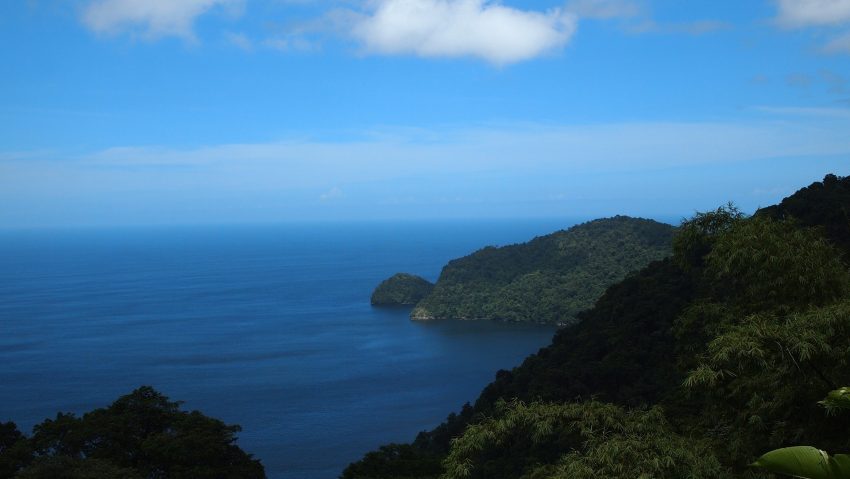
Trinidad and Tobago is a twin-island nation at the southern edge of the Caribbean, just off the coast of Venezuela. Though small in size, it has an outsized presence in the region thanks to its lively culture, distinctive landscapes, and strong connections to both the Caribbean and South America. The country blends urban energy with easy access to beaches, rainforests, and wildlife-rich wetlands.
Trinidad, the larger and more industrial island, is known for its bustling capital, Port of Spain, a thriving food scene, and a calendar packed with music and festivals. Tobago offers a more laid-back pace, with clear waters, coral reefs, and a reputation for nature-focused travel, from hiking to birdwatching. Together, the islands showcase a mix of modern life and natural beauty that appeals to many kinds of visitors.
What truly sets Trinidad and Tobago apart is its diversity-seen in its people, languages, religions, and everyday traditions. This variety shows up in everything from street food and local markets to music styles like soca and calypso, and in celebrations that bring communities together. Whether you’re visiting for culture, coastline, or cuisine, the country offers a warm, vibrant introduction to the Caribbean with its own unique character.
Table of Contents
- History of Trinidad and Tobago
- Before European contact
- Spanish arrival and early colonial Trinidad
- Tobago’s contested colonial era
- British conquest and plantation society
- Emancipation and indenture
- Crown colony rule and early political change
- Labor unrest and the rise of mass politics
- Toward independence
- Republican era and oil-driven transformation
- Contemporary Trinidad and Tobago
- Best Time to Visit Trinidad and Tobago
- Food and Drink from Trinidad and Tobago
History of Trinidad and Tobago
Trinidad and Tobago’s history is shaped by Indigenous settlement, Spanish and then British imperial rule, plantation slavery and indenture, oil-driven industrialization, and a 20th-century transition to independence and republican government.
Before European contact
Indigenous peoples lived on the islands for thousands of years, including communities often associated with Arawakan- and Cariban-speaking groups. Trinidad’s location near the South American mainland made it part of wider regional networks of trade, migration, and conflict. Tobago also saw repeated movement and settlement, though on a smaller scale.
Spanish arrival and early colonial Trinidad (1498–1797)
Christopher Columbus reached Trinidad in 1498, and Spain claimed the island. For much of the 16th and 17th centuries, Spanish control was limited in practice: settlement was sparse, and the colonial economy remained relatively underdeveloped compared with other Caribbean colonies. Missionization and forced labor systems disrupted Indigenous life, contributing to demographic collapse and displacement.
By the late 18th century, Spain sought to strengthen Trinidad’s economy and population. Policies encouraged immigration—especially French planters and free people of color from other Caribbean islands—bringing capital, enslaved labor, and plantation agriculture. This period helped establish a more complex society with multiple European languages and legal traditions layered onto Spanish rule.
Tobago’s contested colonial era (1600s–1763)
Tobago’s strategic position and fertile land made it a prize repeatedly fought over by European powers. The island changed hands many times among Dutch, French, British, and others, with intermittent settlement and conflict. Plantation development expanded when control stabilized, relying heavily on enslaved African labor.
British conquest and plantation society (1797–1834)
Britain captured Trinidad in 1797 and later formalized possession. Tobago became securely British after earlier treaties and conflicts, and by the early 19th century both islands were within the British imperial system.
Under British rule, plantation agriculture expanded, and slavery remained central to production. Trinidad’s society was notably diverse, influenced by Spanish legal remnants, French cultural presence, and British administration, alongside large African-descended populations and smaller communities of Europeans and free people of color.
Emancipation and indenture (1834–1917)
Slavery was abolished in the British Empire in the 1830s, followed by a period of “apprenticeship” and then full emancipation. Plantation owners sought new labor sources, and Trinidad in particular became a major destination for indentured workers from India. Smaller numbers of migrants also arrived from elsewhere, including Madeira, China, and other Caribbean islands.
Indenture profoundly reshaped Trinidad’s demography, culture, religion, and politics, laying foundations for a multiethnic society in which Afro-Trinidadian and Indo-Trinidadian communities became the two largest groups, alongside many others. Tobago, with a smaller population and different economic trajectory, remained more heavily shaped by Afro-Caribbean rural life and small-scale agriculture.
Crown colony rule and early political change (late 1800s–1930s)
Trinidad and Tobago were governed under a crown colony system with limited local representation. Economic life diversified somewhat, but inequality and labor exploitation persisted. The growth of an urban working class, especially in Trinidad, set the stage for organized labor and political mobilization.
Labor unrest and the rise of mass politics (1930s–1950s)
Economic hardship and poor working conditions contributed to major labor disturbances in the 1930s. These struggles helped spur the development of trade unions and political parties, expanding demands for social reform and self-government.
During and after World War II, constitutional changes gradually widened the franchise and increased local participation in government. Political leadership increasingly reflected mass-based organizing and the islands’ complex social composition.
Toward independence (1956–1962)
The mid-20th century brought accelerated constitutional reform and the consolidation of party politics. Trinidad and Tobago participated in the short-lived West Indies Federation (1958–1962), an attempt at regional political union. After the federation dissolved, Trinidad and Tobago moved to full sovereignty.
Independence was achieved on 31 August 1962, with the country remaining a constitutional monarchy within the Commonwealth at first.
Republican era and oil-driven transformation (1970s–1980s)
Trinidad and Tobago became a republic in 1976, replacing the monarch with a local head of state while retaining a parliamentary system.
Oil and gas became increasingly central to the economy, fueling industrialization and raising living standards for many, but also deepening debates over inequality, governance, and national identity. The 1970 Black Power movement reflected demands for social justice, greater local control of the economy, and cultural affirmation, influencing politics and public life.
Economic volatility followed global energy price swings. Periods of boom were often followed by austerity and restructuring, shaping migration patterns and social policy.
Contemporary Trinidad and Tobago (1990s–present)
The country has continued to balance a strong energy sector with efforts to diversify into manufacturing, services, and creative industries. Politics has remained competitive, often reflecting both class and ethnic dynamics, while civil society, labor, and cultural institutions play prominent roles.
Trinidad and Tobago’s cultural life—Carnival, calypso, soca, chutney, steelpan, and a wide range of religious and culinary traditions—reflects centuries of Indigenous presence, African diaspora history, Indian indenture, and successive waves of migration. Tobago has also pursued greater local autonomy within the state, emphasizing its distinct identity and development priorities.
Across these eras, Trinidad and Tobago’s history is marked by adaptation and cultural synthesis amid the legacies of colonialism, forced labor, migration, and the opportunities and risks of resource-based development.
Best Time to Visit Trinidad and Tobago
Visiting Trinidad and Tobago in Winter (Best)
Winter (roughly December to February) is one of the most popular times to visit Trinidad and Tobago thanks to drier, sunnier weather and comfortable humidity—ideal for beach days in Tobago and exploring Port of Spain and surrounding nature in Trinidad. Festival highlights often include Christmas and New Year celebrations, plus Tobago’s Carnival season buildup (with many events and parties starting in the new year). It’s also a great window for hiking and outdoor activities with fewer rain disruptions.
Visiting Trinidad and Tobago in Spring
Spring (roughly March to May) is a lively time to visit, with warm weather and plenty happening—especially if you’re planning around Carnival, which is typically in February or March depending on the year. If your trip overlaps Carnival, expect an unforgettable cultural experience in Trinidad (music, mas, and street parades), along with higher prices and limited availability. Later in spring can be a nice balance: still relatively dry, fewer peak-season crowds, and great conditions for snorkeling and boat trips in Tobago.
Visiting Trinidad and Tobago in Summer
Summer (roughly June to August) is warmer and more humid, and it falls within the wetter part of the year, though many days still have plenty of sunshine between showers. This can be a good season if you want better deals on accommodations and don’t mind occasional rain. Festival highlights may include Emancipation Day celebrations (around August 1) and Tobago Heritage Festival events (often in late July/August), which showcase traditional music, dance, food, and cultural performances.
Visiting Trinidad and Tobago in Autumn
Autumn (roughly September to November) is typically the rainiest stretch, with higher humidity and a greater chance of tropical disturbances. It can still be rewarding for travelers who prefer quieter beaches and lower costs, but it’s wise to build flexibility into your plans for weather changes. If you’re interested in culture, this season can still offer local events and community celebrations, and it’s a good time to enjoy indoor attractions, food spots, and slower-paced island life between rain showers.
Food and Drink from Trinidad and Tobago
Food and drink in Trinidad and Tobago reflect a lively mix of African, Indian, European, Chinese, and Middle Eastern influences, shaped by the islands’ history and everyday street culture. Meals often balance bold seasoning with fresh herbs, pepper, citrus, and aromatics like garlic, onion, and culantro (chadon beni). You’ll find everything from hearty one-pot dishes to quick bites sold from roadside stalls, with recipes that vary by family, neighborhood, and festival season.
Street food is a major part of local eating, and “doubles” is the iconic grab-and-go favorite: two soft bara (fried flatbreads) filled with curried chickpeas and topped with chutneys, pepper sauce, and sometimes cucumber or tamarind. Other popular snacks include aloo pies (fried pastries with spiced potato), pholourie (fried split-pea dough balls) with mango chutney, and bake and shark—fried shark in a fried bread “bake,” piled with toppings like coleslaw, pineapple, and a range of sauces. Rotis are also central, especially dhalpuri and paratha (buss up shut), wrapped around curried chicken, goat, shrimp, or vegetables.
Home-style and celebratory dishes show the depth of the cuisine. Pelau—rice cooked with pigeon peas or other legumes, caramelized sugar, chicken, and coconut milk—is a beloved comfort food, while callaloo (a rich green soup often made with dasheen leaves and okra) is a Sunday staple in many homes. Indian-inspired curries are common, including curry crab and dumpling, and there are Chinese-Trini favorites like chow mein and fried rice adapted to local tastes. During holidays and lime (hangout) culture, you might see pastelles, black cake, and a spread of savory dishes that bring families together.
Drinks range from refreshing non-alcoholic staples to a strong rum tradition. Fresh coconut water, sorrel (hibiscus drink, especially at Christmas), mauby (a bittersweet spiced bark drink), ginger beer, and peanut punch are widely enjoyed, often homemade. Trinidad and Tobago is also known for rum, with cocktails and mixed drinks featuring local flavors like lime, bitters, and tropical fruit. Whether it’s a cold drink on a hot afternoon or a peppery street snack late at night, the food and drink capture the islands’ warmth, creativity, and love of flavor.