Tonga: The Ultimate Travel Guide 2026
Tonga is a Polynesian island nation in the South Pacific, known for its warm hospitality, strong community ties, and deep respect for tradition. Made up of more than 170 islands (with only a portion inhabited), it offers a mix of lively towns, quiet villages, and wide-open ocean landscapes. The capital, Nukuʻalofa, sits on Tongatapu, the main island and the country’s central hub for government, commerce, and everyday life.
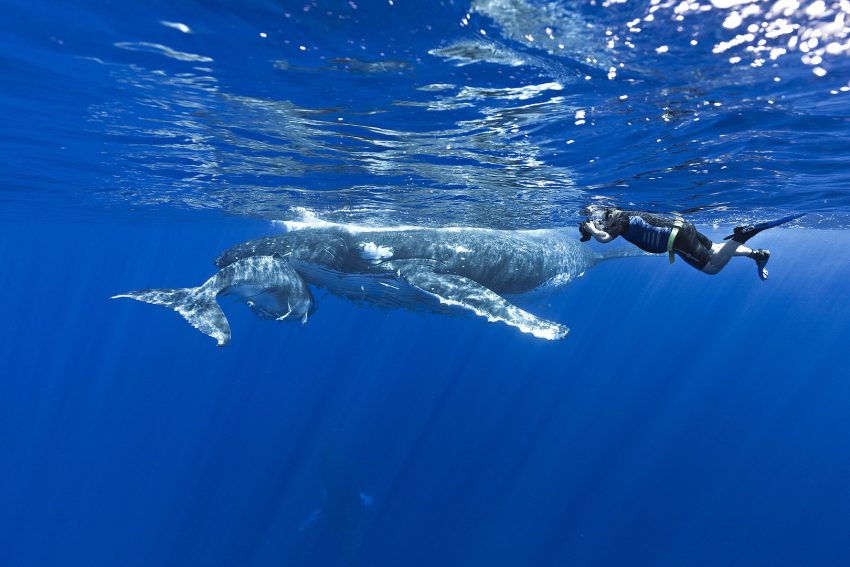
The islands are celebrated for their natural beauty-turquoise lagoons, coral reefs, and palm-fringed beaches-along with a rich marine environment that supports fishing and ocean-based activities. Visitors often come for snorkeling and diving, whale watching in season, and the chance to experience island life at a relaxed pace. Beyond the coastline, you’ll find fertile land, coastal flats, and scenic viewpoints that highlight Tonga’s close connection to the sea.
Tongan culture remains a defining part of the country’s identity, shaping everything from family life and faith to music, dance, and ceremonial occasions. Respect, humility, and generosity are highly valued, and social customs-such as modest dress in certain settings and observing Sunday as a day of rest-are widely practiced. Whether you’re exploring local markets, attending a community event, or sharing a meal, Tonga offers a welcoming atmosphere grounded in pride, tradition, and everyday kindness.
Table of Contents
- History of Tonga
- Early settlement and the Lapita era
- Formation of a Tongan polity and regional influence
- Shifts in governance: Tuʻi Haʻatakalaua and Tuʻi Kanokupolu
- European contact and Christianity
- Unification under Tupou I and the modern state
- British protected state
- Independence and late 20th-century change
- Political reforms and contemporary Tonga
- Best Time to Visit Tonga
- Food and Drink from Tonga
History of Tonga
Tonga’s history is shaped by its position in the central South Pacific, its long Polynesian settlement, the rise of powerful chiefly lineages, and an unusual modern trajectory: it remained an Indigenous monarchy and avoided formal colonization, though it lived under British protection for decades.
Early settlement and the Lapita era (c. 1500–500 BCE)
The first known settlers arrived as part of the wider Lapita expansion across the Pacific. Archaeological evidence in Tonga shows early communities skilled in ocean voyaging, horticulture, and fishing, with distinctive pottery traditions. Over time, pottery use declined and societies became more locally varied, while long-distance connections across Polynesia continued.
Formation of a Tongan polity and regional influence (c. 900–1500)
By the late first millennium CE, Tonga developed increasingly complex chiefly organization. A central sacred kingship emerged, associated with the Tuʻi Tonga line, which became a focal point for political authority and ritual prestige. From roughly the 1200s onward, Tonga’s influence expanded across parts of Western Polynesia. Through a mix of marriage alliances, tribute relations, diplomacy, and occasional warfare, Tongan elites established far-reaching connections with places such as Fiji, Samoa, and beyond. This period is sometimes described as an era of Tongan maritime power, though the nature of “empire” varied by place and time and often rested on networks rather than direct rule.
Shifts in governance: Tuʻi Haʻatakalaua and Tuʻi Kanokupolu (c. 1500–1800)
As the Tuʻi Tonga role became more sacred and ceremonial, new lines emerged to handle day-to-day governance. The Tuʻi Haʻatakalaua line took on administrative authority, and later the Tuʻi Kanokupolu line rose in prominence, especially on Tongatapu. These changes reflected a broader rebalancing of power among chiefly groups. Rivalries and succession disputes periodically produced instability, but they also created the political landscape from which the modern monarchy would later consolidate.
European contact and Christianity (1616–mid-1800s)
Dutch explorers were among the first Europeans to record contact with Tonga in the 1600s, followed by later visits by British and other expeditions in the 1700s, including those associated with James Cook. Europeans described complex societies with strong chiefly authority and sophisticated seafaring traditions. In the 1800s, Christian missionaries arrived and Christianity spread widely, reshaping education, law, and political legitimacy. The period also saw intensified internal conflict, with competing chiefs and factions aligning with different religious and political interests.
Unification under Tupou I and the modern state (1845–1875)
A pivotal figure in Tonga’s modern history is Taufaʻahau, who became King George Tupou I. He unified major parts of the kingdom, reduced the autonomy of rival chiefs, and pursued reforms aimed at strengthening central authority and protecting Tonga’s independence amid growing European imperial pressure in the Pacific. Key reforms included changes to land tenure and governance, and the establishment of a constitutional framework. The Constitution of 1875 created a constitutional monarchy, formalized institutions of government, and set out legal structures that continue to influence Tonga today.
British protected state (1900–1970)
In 1900, Tonga became a British protected state. Unlike many Pacific islands that were annexed or made colonies, Tonga retained its monarchy and internal administration, while Britain handled external affairs and provided advisory oversight. This period brought administrative modernization and deeper integration into regional and global economic systems, alongside continued emphasis on monarchy, church life, and chiefly structures.
Independence and late 20th-century change (1970–2000s)
Tonga ended its protected status in 1970 and joined the Commonwealth. Post-1970 governments navigated development challenges common to small island states: limited resources, geographic dispersion, vulnerability to cyclones, and reliance on remittances from Tongans abroad. Political debate increasingly focused on representation and the balance of power between the monarchy, nobles, and elected representatives. A pro-democracy movement gained momentum in the late 20th century.
Political reforms and contemporary Tonga (2010–present)
Major constitutional and political reforms in the early 21st century expanded the role of elected representatives and altered how governments are formed, while maintaining the monarchy and the nobles’ place in the political system. In recent years, Tonga has faced significant events including natural disasters and the 2022 Hunga Tonga–Hunga Haʻapai volcanic eruption and tsunami, which caused widespread damage and highlighted the country’s environmental vulnerability. At the same time, Tonga continues to sustain a strong cultural identity rooted in language, kinship, church communities, and the enduring institution of the monarchy.
Best Time to Visit Tonga
Visiting Tonga in Summer (December–February)
Summer in Tonga is hot, humid, and lush, with the highest chance of heavy rain and tropical storms. It’s a good time to visit if you want fewer crowds, greener landscapes, and don’t mind short, intense downpours. Water visibility can be more variable, but lagoon time and island-hopping are still very enjoyable on calm days.
Festival highlight: The Christmas and New Year period is lively, with strong church and community celebrations across the islands.
Visiting Tonga in Autumn (March–May)
Autumn is a shoulder season with warm temperatures and gradually easing humidity. Rainfall typically starts to taper off compared with peak summer, making it a comfortable time for beach days, snorkeling, and exploring. It’s a solid choice if you want good weather without the peak-season feel.
Festival highlight: Easter is widely observed and can be a meaningful cultural time to visit, with church events and community gatherings.
Visiting Tonga in Winter (June–August) (Best)
Winter is generally the driest, most comfortable season in Tonga, with lower humidity and pleasant temperatures—ideal for sightseeing, hiking, lagoon cruises, and relaxed beach time. It’s also the prime period for whale watching, as humpback whales migrate through Tongan waters (typically best from July onward).
Festival highlight: The Heilala Festival (usually in July) is a major draw, featuring parades, dance, music, cultural performances, and celebrations in Nukuʻalofa.
Visiting Tonga in Spring (September–November)
Spring brings warming temperatures and mostly good conditions before the wetter months return. September and October often remain relatively dry and are excellent for swimming, snorkeling, and late-season whale watching (especially in September and October). By November, humidity and rainfall tend to increase.
Festival highlight: Constitution Day celebrations (commonly observed in November) can add cultural interest, with events and ceremonies depending on the year and island.
Food and Drink from Tonga
Tongan food is rooted in the islands’ tropical climate and the sea, so meals commonly feature starchy staples, fresh seafood, and coconut in many forms. Root crops such as kumala (sweet potato), taro, and cassava are central to everyday eating, alongside green bananas and breadfruit when in season. These are often paired with leafy greens and simple preparations that let the natural flavors stand out, with coconut cream adding richness and a gentle sweetness.
One of the most distinctive parts of Tongan cuisine is the use of the earth oven, known as the umu. For gatherings, families heat stones in a pit, then layer foods—often pork, chicken, fish, and root vegetables—wrap them in leaves, and cover everything to slow-cook in the trapped heat. The result is tender, smoky food that feels celebratory, and the umu itself is as much a social event as it is a cooking method, bringing people together to prepare and share the meal.
Popular dishes include lu pulu, where corned beef or other meat is wrapped in taro leaves with coconut cream and baked until soft and savory. Ota ika, a refreshing raw fish salad, is another favorite: diced fish is “cooked” in citrus, then mixed with coconut cream, onions, and sometimes tomatoes and chilies. Coconut appears everywhere—grated, pressed into cream, or used as oil—while local fruits like mango, pineapple, papaya, and watermelon add brightness to the table.
Drinks in Tonga range from everyday refreshments to ceremonial beverages. Fresh coconut water is widely enjoyed, and fruit juices and sweet teas are common, especially in warm weather. Kava, made from the root of the kava plant, holds an important cultural place: it is prepared and shared in a formal setting, valued for its calming effects and the sense of community it fosters. Whether it’s a simple family meal or a feast, Tongan food and drink reflect hospitality, abundance, and strong ties to land and ocean.