Tokelau: The Ultimate Travel Guide 2026
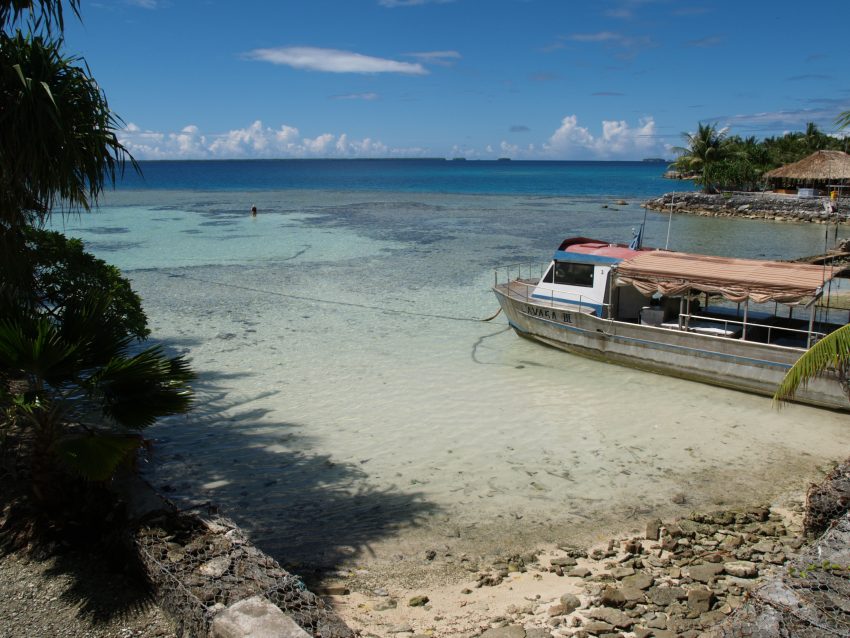
Tokelau is a small group of three low-lying coral atolls-Atafu, Nukunonu, and Fakaofo-set in the central Pacific Ocean. Known for its vast lagoon waters and narrow strips of land, it offers a striking landscape of palm-lined shores, reef flats, and bright turquoise seas. With no airports and limited transport links, Tokelau feels remote and quietly self-contained, shaped as much by the ocean around it as by the land itself.
Life in Tokelau is closely tied to the rhythms of the sea and the close-knit nature of village communities. Daily routines often revolve around fishing, family, and shared responsibilities, with strong traditions of cooperation and local decision-making. The pace is unhurried, and community spaces-like meeting areas and churches-play an important role in bringing people together.
Tokelau is also notable for its distinctive environment and the challenges that come with it. Fresh water, land space, and supplies are limited, and the atolls are especially vulnerable to storms and rising sea levels. Even so, Tokelau maintains a clear identity rooted in language, culture, and a deep connection to its ocean home, offering a unique snapshot of Pacific atoll life.
History of Tokelau
Tokelau is a small Polynesian territory made up of three low-lying atolls—Atafu, Nukunonu, and Fakaofo—located in the central South Pacific. Its history is shaped by long-distance Polynesian voyaging, local chiefly systems, missionary influence, colonial administration, and modern efforts to balance self-government with the realities of geography and limited resources.
Before European contact
Tokelau was settled by Polynesian navigators, likely through movements and exchanges within a wider region that included Samoa, Tuvalu, and other nearby island groups. Life centered on the atolls’ lagoons and reef resources, with communities organized around kinship, chiefly authority, and customary practices. Because the atolls are small and have limited land and freshwater, Tokelauan society developed strong systems for sharing resources, maintaining social cohesion, and managing risk during storms and droughts.
Early European encounters and the 19th century
European and American ships began passing through the region in the 18th and 19th centuries, bringing new goods and diseases and drawing Tokelau into wider trade and labor networks. The 19th century was especially disruptive across many Pacific islands due to “blackbirding” (coercive recruitment and kidnapping for labor), which affected Tokelau communities through loss of people and social upheaval.
Christian missionaries arrived in the 19th century and Christianity became central to Tokelauan life. Different denominations took root on different atolls, and church life became closely intertwined with community governance, education, and social organization—patterns that remain influential today.
British protection and colonial administration
By the late 19th century, imperial powers were formalizing control across the Pacific. Tokelau came under British protection and was administered within Britain’s Pacific colonial structures. Over time, administrative responsibility shifted, and Tokelau was eventually placed under New Zealand’s administration in the early 20th century. This change tied Tokelau’s external affairs, public services, and legal frameworks increasingly to New Zealand, while local leadership and customary authority continued to manage much of daily community life.
Mid-20th century: modernization and migration
After World War II, Tokelau experienced gradual expansion of public services such as schooling, health care, and communications, though the atolls’ remoteness and lack of deep-water ports limited infrastructure development. Economic opportunities remained constrained, contributing to significant migration—especially to New Zealand—where a large Tokelauan diaspora formed. This migration reshaped Tokelauan society into a transnational community, with strong family, cultural, and financial ties between the atolls and overseas Tokelauans.
Late 20th to early 21st century: self-government and referendums
Tokelau developed stronger local governing institutions, including a national-level leadership structure alongside village-based governance. While New Zealand retained responsibility for defense and many external affairs, Tokelau gained increasing control over internal administration.
In the early 2000s, Tokelau held referendums on moving to a status of self-government in free association with New Zealand. Although a majority supported the change, the proposals did not reach the required threshold, and Tokelau remained a non-self-governing territory under New Zealand while continuing to expand local autonomy in practice.
Contemporary Tokelau
Today, Tokelau’s history continues to be shaped by its geography and by the relationship between the atolls and the diaspora. Key ongoing themes include maintaining Tokelauan language and culture, strengthening local governance, improving transport and digital connectivity, and addressing climate-related risks such as sea-level rise, coastal erosion, and storm impacts. Tokelau’s modern identity is both deeply local—rooted in the three atolls—and broadly connected through its people living abroad, especially in New Zealand.
Best Time to Visit Tokelau
Visiting Tokelau in Summer (Best)
Summer in Tokelau is ideal if you want the warmest sea temperatures for swimming, snorkeling, and lagoon time. Expect higher humidity and a greater chance of tropical showers, but days are often bright between rain bursts. This is a great season for relaxed beach-focused travel and enjoying long, warm evenings.
Visiting Tokelau in Autumn
Autumn is a strong shoulder season for Tokelau, with warm conditions that still suit water activities while often feeling a bit less intense than peak summer humidity. It can be a comfortable time for village visits, walking around the atolls, and planning boat trips when conditions allow. If you prefer a balance of heat and slightly calmer weather, autumn is a good pick.
Visiting Tokelau in Winter
Winter is typically the most comfortable time for many visitors, with slightly cooler temperatures and generally lower humidity. It’s well-suited for outdoor exploring, cultural visits, and spending long days on the lagoon without the same level of heat stress you might feel in summer. If you’re sensitive to humidity, winter is often the easiest season to travel.
Visiting Tokelau in Spring
Spring is another excellent shoulder season, bringing back a warmer feel while still offering plenty of pleasant days for lagoon activities and time outdoors. Weather can start to become more changeable as the year moves toward summer, so it’s a good season if you want warmth without committing to the most humid months. Cultural events and community gatherings can be highlights when they coincide with your visit, so it’s worth checking local schedules closer to travel dates.
Food and Drink from Tokelau
Tokelau’s food and drink are shaped by its small atolls, lagoon fishing, and a strong culture of sharing. Daily meals tend to be simple, hearty, and built around what can be caught, gathered, or grown locally. Coconut is central to Tokelauan cooking, used for its flesh, cream, and oil, adding richness to both savoury dishes and sweets. Because land is limited, imported staples like rice, flour, and tinned goods also play a role alongside local foods.
Seafood is a mainstay, with fish and other lagoon catches prepared in practical, flavourful ways. Fish may be grilled, boiled, or cooked with coconut cream, and it’s often served with starchy sides. Shellfish and other reef foods can appear depending on season and availability, and meals commonly reflect what the community has brought in that day. The emphasis is less on elaborate seasoning and more on freshness, coconut, and careful cooking.
Starchy foods provide the backbone of many plates. Breadfruit, when in season, is valued for its versatility and can be roasted, boiled, or cooked in coconut-based preparations. Taro and other root crops may be included where they can be cultivated, and imported carbohydrates help fill gaps when local harvests are limited. Coconut cream is frequently used to bind dishes together, creating a comforting, slightly sweet savoury profile that’s characteristic of many Tokelauan meals.
Food is closely tied to gatherings, church events, and family occasions, where larger shared meals highlight hospitality and community. Traditional earth-oven style cooking is part of wider Polynesian practice and may be used for special events, producing smoky, tender results for fish and starchy sides. Drinks are often straightforward: fresh coconut water is prized when available, and tea and other imported beverages are common in everyday life. Overall, Tokelau’s food and drink reflect resourcefulness, the ocean’s abundance, and the importance of eating together.