Togo: The Ultimate Travel Guide 2026
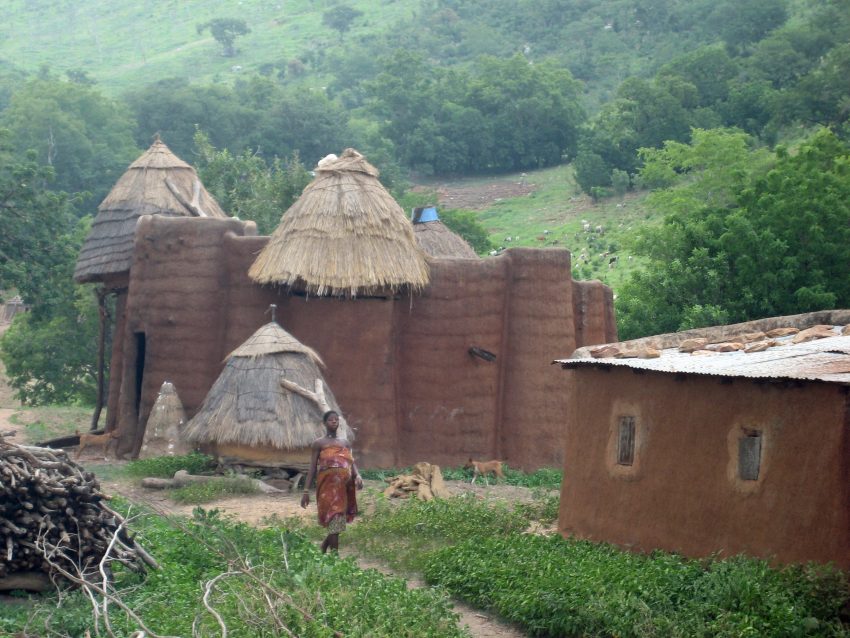
Togo is a slender West African country on the Gulf of Guinea, known for its easygoing coastal atmosphere, lively markets, and a landscape that shifts quickly from palm-lined beaches to rolling hills and greener highlands inland. Its capital, Lomé, sits right on the ocean and serves as the country’s main hub for business, culture, and travel, with a mix of modern city life and everyday street scenes that feel distinctly local.
One of Togo’s strengths is variety in a compact space. In the south, you’ll find sandy shoreline and lagoon areas, while the central regions open into farmland and small towns, and the north becomes drier with broad savannas and protected natural areas. This range of environments supports everything from casual seaside breaks to hikes, wildlife watching, and road trips that reveal changing scenery within a few hours.
Togo’s culture is equally diverse, shaped by many communities and languages, with traditions expressed through music, dance, crafts, and festivals. Visitors often remember the warmth of daily interactions-shared meals, bustling artisan stalls, and the rhythm of life in villages and city neighborhoods alike. Whether you’re passing through for a short stay or exploring more widely, Togo offers a welcoming introduction to West Africa on a manageable scale.
Table of Contents
- History of Togo
- Before European rule
- Coastal trade and the slave trade
- German Togoland
- Partition after World War I
- Toward independence and the Ghana referendum
- Coups and the rise of Eyadéma
- One-party dominance and Cold War-era stability
- Political liberalization and contested transitions
- Succession and the Faure Gnassingbé era
- Best Time to Visit Togo
- Food and Drink from Togo
History of Togo
Togo’s history is shaped by long-standing local kingdoms and trade networks, the Atlantic slave trade, German colonization, a post–World War I partition between France and Britain, and a post-independence era dominated for decades by a single ruling family before a gradual—often contested—opening of political space.
Before European rule
For centuries, the region that is now Togo was home to diverse peoples and polities, including Ewe-speaking communities in the south and Gur-speaking groups in the north. Communities organized around chieftaincies, towns, and small kingdoms, linked by regional trade routes connecting the forest and coastal zones with the savannas and the wider Sahel. Migration and settlement patterns—especially among Ewe and related groups—helped shape the cultural landscape of southern Togo and neighboring areas.
Coastal trade and the slave trade (15th–19th centuries)
From the late 1400s onward, European traders arrived along the Gulf of Guinea. The coast became integrated into Atlantic commerce, including the transatlantic slave trade. The area around today’s southern Togo formed part of what Europeans often called the “Slave Coast,” where enslaved people were exported through coastal markets and ports. Over time, the trade also involved palm products and other commodities, and local political dynamics were altered by the demand for captives, firearms, and imported goods.
German Togoland (1884–1914)
In 1884, Germany established a protectorate over Togoland through treaties with local leaders, making it one of Germany’s African colonies. German authorities built infrastructure—roads, rail lines, and administrative centers—and promoted export agriculture, notably cocoa, coffee, and cotton. Colonial rule relied on coercive labor practices and tight administrative control, while also creating new economic patterns that concentrated development in certain corridors and around the coast.
Partition after World War I (1914–1945)
During World War I, Allied forces invaded and defeated German administration in Togoland. After the war, the territory was divided: a larger eastern portion became French Togoland, and a smaller western portion became British Togoland, each administered under League of Nations mandates (later UN trusteeships). This partition split communities and trade routes, and it set the stage for different political trajectories on either side of the boundary.
Toward independence and the Ghana referendum (1945–1960)
After World War II, political movements grew in French Togoland, pressing for self-government and independence. In British Togoland, a UN-supervised plebiscite in 1956 resulted in integration with the Gold Coast, which became independent Ghana in 1957. French Togoland moved on a separate path and achieved independence as the Republic of Togo on April 27, 1960, with Sylvanus Olympio as its first president.
Coups and the rise of Eyadéma (1963–1967)
Togo experienced one of the first military coups in postcolonial sub-Saharan Africa in 1963, during which President Olympio was killed. Political instability continued, culminating in a 1967 coup that brought Gnassingbé Eyadéma to power. His rule would shape Togo for nearly four decades.
One-party dominance and Cold War-era stability (1967–1990)
Eyadéma established a highly centralized system, with a dominant party and strong security apparatus. The state promoted national unity and development projects, while political opposition was constrained. Togo’s phosphate industry became a key source of revenue, and the country maintained relationships with a range of foreign partners during the Cold War.
Political liberalization and contested transitions (1990s)
In the early 1990s, as multiparty politics spread across Africa, Togo faced mass protests and pressure for reform. A national conference and constitutional changes introduced multiparty elections, but the process was marked by repeated disputes, boycotts, and allegations of repression and irregularities. Political tensions and episodes of violence contributed to periods of economic difficulty and international isolation.
Succession and the Faure Gnassingbé era (2005–present)
After Eyadéma’s death in 2005, the succession of his son, Faure Gnassingbé, was contentious and accompanied by serious unrest. Subsequent years saw cycles of dialogue, elections, and reforms alongside continuing opposition challenges and protests. Term-limit debates, constitutional changes, and electoral disputes have remained central issues. Togo has also pursued infrastructure development and regional economic integration, while balancing security concerns in West Africa, including spillover risks from instability in the broader Sahel region.
Today, Togo’s history continues to inform its politics and society: the legacy of colonial partition, the long dominance of a single political lineage, and ongoing efforts—uneven and contested—to broaden political participation and strengthen institutions.
Best Time to Visit Togo
Visiting Togo in Winter (Best)
Winter (roughly December to February) is one of the best times to visit Togo because it’s typically drier, less humid, and more comfortable for travel across the country. Roads are generally easier to navigate, beach time along the Gulf of Guinea is more pleasant, and it’s a great season for exploring Lomé, Kpalimé’s hills, and northern parks without the heavy rains.
Festival highlights:
- End-of-year and New Year celebrations are lively in Lomé and other major towns, with plenty of local music, church events, and community gatherings.
Visiting Togo in Spring
Spring (roughly March to May) starts to warm up and can become more humid, with rainfall increasing as the season progresses. Early spring can still be a good window for sightseeing and cultural trips, while late spring may bring more frequent showers that can slow down travel—especially for longer road journeys.
Festival highlights:
- Easter period celebrations can be a notable time to experience local religious and community events, particularly in larger towns.
Visiting Togo in Summer
Summer (roughly June to August) is often the wettest stretch in many parts of Togo, especially in the south. Expect heavier rains, higher humidity, and occasional travel disruptions on certain routes. That said, the landscape is at its greenest, and it can be rewarding for travelers who don’t mind rain and prefer fewer crowds.
Festival highlights:
- Local cultural festivals and community celebrations may take place during this period, varying by region and year, and can be a great way to experience traditional music and dance.
Visiting Togo in Autumn
Autumn (roughly September to November) is a transition period where rains generally ease and conditions become more favorable again, especially later in the season. It’s a strong choice for a balanced trip—good for beaches, city time in Lomé, and inland excursions—without the peak dryness of mid-winter.
Festival highlights:
- This can be a good season for regional cultural events and harvest-related celebrations, depending on the area and local calendar.
Food and Drink from Togo
Togolese food reflects the country’s mix of coastal, forest, and savanna regions, with everyday meals built around filling starches and boldly seasoned sauces. Common staples include maize, cassava, yams, plantains, and rice, often served as a smooth dough or mash alongside soups and stews. Meals are typically communal and hearty, with flavors shaped by tomatoes, onions, chilies, ginger, and local spices, plus palm oil in many preparations.
One of the best-known dishes is pâte (also called akoumé), a firm maize-based dough eaten with okra, tomato, or leafy green sauces, sometimes enriched with fish or meat. Fufu—pounded yam or cassava—is also popular, paired with groundnut (peanut) soup, palm nut soup, or light peppery broths. In the south, where fishing is important, smoked or grilled fish frequently appears in sauces, while inland areas lean more on goat, chicken, and beans when available.
Street food and snacks are an important part of daily life, especially in towns like Lomé. You’ll find grilled meats and fish, spicy brochettes, fried plantains (often called alloco), bean cakes, and savory pastries sold from stalls and small eateries. Fresh tropical fruits—mangoes, pineapples, papayas, bananas, and citrus—are widely enjoyed, and simple meals are often rounded out with fruit or roasted groundnuts.
Drinks in Togo range from everyday refreshments to traditional beverages. Locally made sodabi, a strong spirit distilled from palm wine, is well known, while palm wine itself is enjoyed fresh and lightly fermented. Beer is popular too, alongside ginger drinks, hibiscus (bissap) juice, and other fruit-based refreshments that help balance the heat of spicy dishes. Whether at home, in a market, or at a celebration, food and drink in Togo emphasize generosity, shared plates, and vibrant, comforting flavors.