St. Maarten-St. Martin: The Ultimate Travel Guide 2026
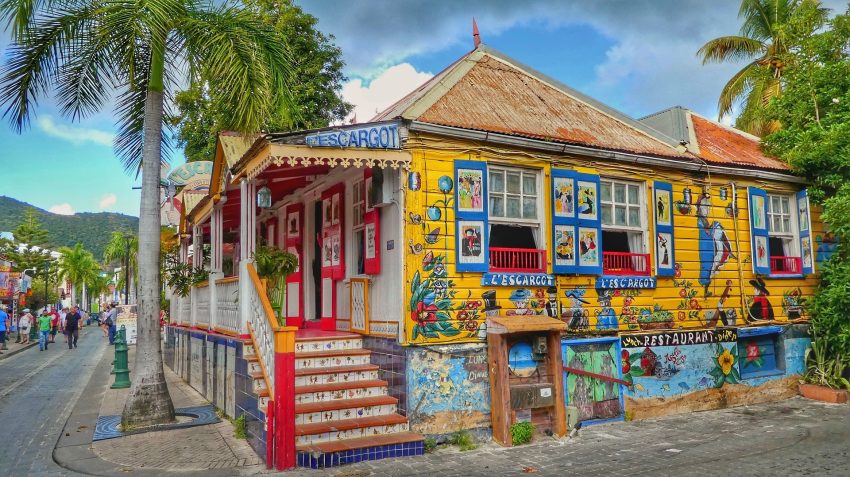
St. Maarten-St. Martin is a one-of-a-kind Caribbean island shared by two nations: Dutch St. Maarten in the south and French St. Martin in the north. Despite being a single landmass, it offers two distinct atmospheres side by side-one with a lively, cosmopolitan energy and the other with a more laid-back, French-Caribbean feel. Crossing between the two sides is seamless, making it easy to experience both in one trip.
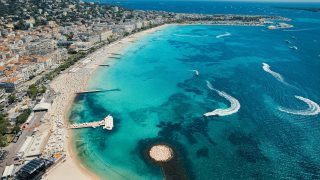
The island is best known for its beautiful beaches, clear turquoise water, and a mix of activities that suit every travel style. You can spend the day snorkeling, sailing, or exploring hidden coves, then switch to shopping, beach bars, and waterfront dining as the sun goes down. From calm bays ideal for swimming to breezier stretches popular for water sports, the coastline delivers variety without requiring long drives.
What truly sets St. Maarten-St. Martin apart is its blend of cultures, languages, and flavors packed into a small, easy-to-navigate destination. Expect a vibrant food scene that ranges from casual local “lolos” and fresh seafood to refined French dining, plus a calendar that often includes music, markets, and festivals. Whether you’re visiting for a quick getaway or a longer stay, the island’s dual identity makes every day feel like two vacations in one.
Table of Contents
- History of St. Maarten-St. Martin
- Before 1493: Indigenous Saint Martin
- 1493–1630s: European “discovery” and early claims
- 1630s–1648: Competing colonies and the road to partition
- 1648: The partition and shared island
- Late 1600s–1700s: Plantation economy and slavery
- 1848–1863: Emancipation and its uneven timeline
- Late 1800s–mid-1900s: Economic shifts and outward migration
- 1940s–1970s: Tourism and aviation transform the island
- 1980s–2000s: Growth, migration, and new political arrangements
- 2007–2010: New constitutional statuses
- 2017–present: Hurricane Irma and recovery
- Best Time to Visit St. Maarten-St. Martin
- Food and Drink from St. Maarten-St. Martin
History of St. Maarten-St. Martin
St. Maarten–St. Martin is a single Caribbean island—Saint Martin—divided today between the Dutch country of Sint Maarten (southern part, within the Kingdom of the Netherlands) and the French Collectivity of Saint-Martin (northern part, part of France). Its history is shaped by Indigenous settlement, European rivalry, plantation slavery, and a long, unusually stable shared sovereignty.
Before 1493: Indigenous Saint Martin
Long before Europeans arrived, the island was settled by Indigenous peoples of the Caribbean region. Archaeological evidence points to early groups followed by Arawakan-speaking communities (often associated with the Taíno) and later Cariban-speaking peoples. They fished, farmed, and traded across the Lesser Antilles, leaving ceramics and settlement traces that show Saint Martin was part of a wider inter-island network.
1493–1630s: European “discovery” and early claims
Christopher Columbus sighted the island in 1493 and named it for Saint Martin of Tours. Spain claimed the region broadly, but Saint Martin was not immediately colonized in a sustained way. Its value lay less in large-scale settlement at first and more in strategic position and resources—especially salt ponds, which were crucial for preserving food in the age of sail.
1630s–1648: Competing colonies and the road to partition
By the early 1600s, Dutch and French interests intensified across the Lesser Antilles. The Dutch West India Company and French settlers both sought footholds, and salt production drew particular attention. Spain reasserted control for a period, including building defenses, but the island remained contested as European powers fought wider wars in the Caribbean and Atlantic.
1648: The partition and shared island
In 1648, France and the Dutch Republic agreed to divide the island. The arrangement—commonly associated with the Treaty of Concordia—set out boundaries and principles for coexistence. While the exact line shifted in practice and enforcement varied, the core outcome endured: Saint Martin became one of the world’s smallest landmasses shared by two states, with a border that remained largely peaceful over time.
Late 1600s–1700s: Plantation economy and slavery
Both sides developed plantation agriculture, relying heavily on enslaved Africans. Sugar became central, alongside other crops, and salt remained important. Enslaved labor shaped every aspect of island life—economy, demography, culture, and resistance. Maroonage, flight, and everyday forms of resistance occurred, as on other Caribbean islands, even when records are fragmentary.
1848–1863: Emancipation and its uneven timeline
A key turning point came with emancipation. On the French side, slavery was abolished in 1848. On the Dutch side, slavery continued until 1863. The proximity of the two jurisdictions mattered: freedom on the French side created pressure and incentives that affected labor and movement across the island. After emancipation, plantation profitability declined, and many people turned to small-scale farming, fishing, and other work, while migration became an important part of family strategies.
Late 1800s–mid-1900s: Economic shifts and outward migration
As sugar and plantation agriculture waned, Saint Martin experienced long periods of limited economic opportunity. Many residents sought work elsewhere in the Caribbean and beyond. The island’s small size and divided administration meant that local governance and public services developed unevenly, often tied to decisions made in distant capitals (Paris and The Hague, and later the administrative centers of their Caribbean territories).
1940s–1970s: Tourism and aviation transform the island
After World War II, tourism began to reshape Saint Martin dramatically. Improved air links and the growth of Caribbean travel brought investment in hotels, roads, and services. The Dutch side, in particular, developed a reputation for rapid tourism-led growth, while the French side also expanded tourism and residential development. The island’s dual identity became a selling point: two legal systems, two currencies at times, and a famously open border.
1980s–2000s: Growth, migration, and new political arrangements
Tourism-driven prosperity attracted migrants from across the Caribbean, Latin America, and beyond, making the island highly diverse and multilingual. This period also brought challenges: pressure on housing, infrastructure, and the environment; debates over labor and residency; and concerns about crime and illicit trafficking that often accompany major tourism hubs.
Politically, the Dutch side remained part of the Netherlands Antilles for decades, while the French side was administered as part of Guadeloupe. Over time, both sought arrangements reflecting local priorities and identity.
2007–2010: New constitutional statuses
In 2007, the French side became the Collectivity of Saint-Martin, separating administratively from Guadeloupe while remaining an overseas collectivity of France and part of the European Union framework applicable to such territories.
In 2010, the Netherlands Antilles was dissolved. Sint Maarten became a constituent country within the Kingdom of the Netherlands, gaining greater autonomy over internal affairs while the Kingdom retained responsibilities such as defense and certain aspects of foreign relations.
2017–present: Hurricane Irma and recovery
In September 2017, Hurricane Irma caused catastrophic damage on both sides of the island, severely impacting homes, infrastructure, and the tourism economy. Recovery highlighted both the benefits and complications of dual governance: coordination across the border, differing administrative procedures, and reliance on support from France and the Netherlands. Reconstruction and resilience planning have remained central issues, alongside long-term concerns about climate risk, coastal development, and economic diversification.
Today, St. Maarten–St. Martin remains a single community in many daily respects—families, work, and culture often span the border—while also reflecting two distinct political systems that have coexisted on one small island for centuries.
Best Time to Visit St. Maarten-St. Martin
Visiting St. Maarten-St. Martin in Winter (Best)
Winter (December–March) is the most popular time to visit St. Maarten-St. Martin thanks to warm, sunny days, lower humidity, and minimal rainfall. It’s ideal for beach time, sailing, snorkeling, and hiking without the intense heat. Expect higher prices and busier beaches—especially around Christmas, New Year’s, and school holidays—so booking flights and accommodations early is important.
Visiting St. Maarten-St. Martin in Spring
Spring (April–May) is a sweet spot in St. Maarten-St. Martin: the weather stays reliably warm, crowds begin to thin, and prices often soften compared with peak winter. It’s a great time for a relaxed mix of beach days, lagoon activities, and dining on both the Dutch and French sides, with generally calm seas and plenty of sunshine.
Visiting St. Maarten-St. Martin in Summer
Summer (June–August) brings hotter temperatures and higher humidity, along with a greater chance of short, tropical showers. It can still be an excellent time to visit if you want better deals and a more laid-back feel, especially if you plan activities early in the day and keep afternoons flexible. Summer is also a major festival season, with Carnival celebrations typically peaking in late July and early August, bringing parades, music, and cultural events.
Visiting St. Maarten-St. Martin in Fall
Fall (September–November) is the quietest season in St. Maarten-St. Martin and often offers the best value on accommodations and flights. It’s also the heart of the Atlantic hurricane season, so there’s a higher risk of storms and more variable weather—travel insurance and flexible plans are smart. If you’re looking for a cultural highlight, St. Martin’s culinary scene often shines during this period, with food-focused events sometimes scheduled in November.
Food and Drink from St. Maarten-St. Martin
St. Maarten–St. Martin’s food and drink reflect its dual Dutch–French identity and its position at the crossroads of Caribbean trade. On the Dutch side, you’ll find lively “lolo” spots and beach bars serving hearty, spice-forward plates, while the French side leans toward bistros, bakeries, and market-driven cooking with a Caribbean accent. Across the island, meals often center on fresh seafood, tropical produce, and bold seasonings—think thyme, scallion, garlic, hot pepper, and citrus—balanced by the easygoing rhythm of island dining.
Local staples include saltfish and johnnycakes, stewed chicken, and rice-and-peas-style sides, alongside seafood prepared simply to highlight freshness. Grilled snapper, lobster, conch, and shrimp show up everywhere, often paired with plantains, fried dumplings, or a bright slaw. Creole influences come through in rich sauces and slow-cooked dishes, while French techniques appear in pan sauces, careful grilling, and the island’s strong pastry culture. Street food and casual plates are just as important as fine dining, making it easy to eat well whether you’re in a market, on a beach, or at a white-tablecloth restaurant.
The French side is especially known for its bakeries and cafés, where croissants, baguettes, and fruit tarts sit alongside island flavors like guava, coconut, and passion fruit. You’ll also see a blend of French and Caribbean on menus: fresh salads with citrus vinaigrettes, seafood in buttery preparations, and daily specials that follow the catch. On both sides, hot sauces and pepper condiments are common at the table, letting diners dial up the heat to match the island’s love of spice.
Drinks are a major part of the experience, from rum-based cocktails to relaxed beach beers and apéritifs. Rum punch is the classic—often mixed with tropical juices and a generous pour—while ti’ punch and other French Caribbean-style rum drinks appear more on the French side. Fresh juices, coconut water, and fruit smoothies are popular in the heat, and many spots showcase local twists with herbs, bitters, and house infusions. Whether you’re sipping something strong at sunset or grabbing an espresso with a pastry, the island’s beverage culture mirrors its cuisine: bilingual, blended, and unmistakably Caribbean.