St. Lucia: The Ultimate Travel Guide 2026
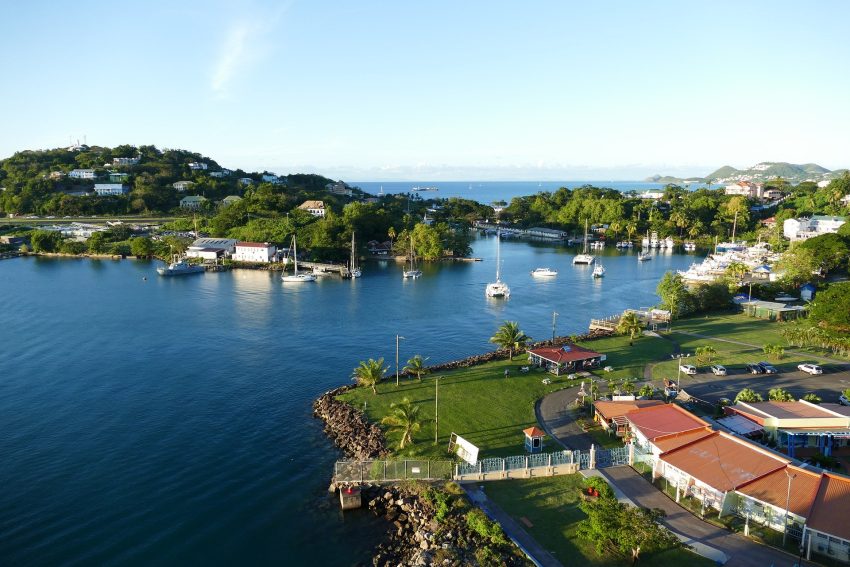
St. Lucia is a lush, mountainous island nation in the eastern Caribbean, known for its dramatic scenery and warm, welcoming culture. From the iconic twin peaks of the Pitons to rainforest-covered hills and black- and golden-sand beaches, the island packs a striking variety of landscapes into a compact, easy-to-explore destination. Its capital, Castries, offers a lively mix of markets, waterfront views, and everyday island bustle.
Nature is at the heart of the St. Lucian experience. Visitors come for hiking trails with sweeping coastal views, snorkeling and diving in clear bays, and relaxing in natural hot springs and mineral-rich mud baths. The island’s tropical climate keeps things green year-round, while the trade winds make the coasts feel pleasantly breezy.
Beyond the scenery, St. Lucia’s character shines through its food, music, and community spirit. Creole flavors show up in everything from fresh seafood and street snacks to locally grown cocoa and tropical fruit. Whether you’re planning a romantic getaway, an adventure-filled trip, or a laid-back beach break, St. Lucia offers a balance of comfort and discovery that’s easy to fall in love with.
Table of Contents
- History of St. Lucia
- Before European colonization
- 1500s–1600s: First European contact and early settlements
- 1600s–1700s: French foothold and plantation expansion
- 1700s–early 1800s: Anglo-French conflict and repeated changes of rule
- 1814–1830s: British rule consolidated and emancipation
- Late 1800s–early 1900s: Crown colony era and economic shifts
- 1950s–1979: Toward self-government and independence
- 1979–present: Independent St. Lucia
- Best Time to Visit St. Lucia
- Food and Drink from St. Lucia
History of St. Lucia
St. Lucia’s history is shaped by its Indigenous roots, centuries of European rivalry, slavery and emancipation, and a modern path toward self-government and independence.
Before European colonization
Long before Europeans arrived, St. Lucia was settled by Indigenous peoples of the Caribbean. Early communities are often associated with Arawakan-speaking groups, followed later by Carib (Kalinago) influence. These societies lived from fishing, farming, and inter-island trade, leaving archaeological traces such as pottery and settlement sites.
1500s–1600s: First European contact and early settlements
Europeans encountered the island in the early colonial era, with Spanish and then French and English interest in the Lesser Antilles. St. Lucia’s rugged terrain and resistance from Indigenous inhabitants complicated early colonization. Small, short-lived settlements and trading outposts appeared, but stable European control was slow to take hold.
1600s–1700s: French foothold and plantation expansion
France established a stronger presence over time, and French settlers developed plantations, especially for sugar. As on other Caribbean islands, this plantation economy depended on the forced labor of enslaved Africans. French cultural and linguistic influence took deep root, including the development of a French-based Creole language and enduring Catholic traditions.
1700s–early 1800s: Anglo-French conflict and repeated changes of rule
St. Lucia became a strategic prize in the struggle between Britain and France. Control of the island shifted multiple times through wars and treaties, reflecting its military value and its plantation economy. These repeated transfers shaped institutions, landholding patterns, and local identity, producing a society influenced by both French and British systems.
1814–1830s: British rule consolidated and emancipation
British control was firmly established in 1814. The island remained culturally French-influenced, but governance and law increasingly followed British colonial structures. Slavery was abolished in the British Empire in the 1830s, bringing formal emancipation to St. Lucia. The end of slavery did not end inequality; plantation owners retained power, and formerly enslaved people faced limited access to land, capital, and political influence.
Late 1800s–early 1900s: Crown colony era and economic shifts
St. Lucia was governed as a British crown colony with restricted local political participation. The economy diversified beyond sugar over time, with agriculture remaining central. Social life and community organization evolved through churches, schools, and emerging labor activity, while migration also shaped family and economic patterns.
1950s–1979: Toward self-government and independence
After World War II, constitutional reforms expanded representative government. Political parties and labor movements gained influence, and St. Lucia participated in regional efforts at federation and integration. Internal self-government advanced in the 1960s, setting the stage for full sovereignty.
1979–present: Independent St. Lucia
St. Lucia became independent in 1979, remaining a constitutional monarchy within the Commonwealth with a parliamentary system. Post-independence governments have focused on development, education, infrastructure, and managing a transition from an agriculture-dominant economy toward services, especially tourism. The island has also navigated challenges common to small states, including vulnerability to global economic shifts and hurricanes, while maintaining a strong cultural identity rooted in its French Creole heritage and Caribbean traditions.
Best Time to Visit St. Lucia
Visiting St. Lucia in Winter (Best)
Winter (roughly December to February) is one of the best times to visit St. Lucia for reliably sunny weather, lower humidity, and comfortable temperatures—ideal for beach days, hiking the Pitons, and boat trips. It’s also peak season, so expect higher prices and book flights and hotels well in advance. Festival highlight: December brings a festive atmosphere with holiday events and local celebrations, making it a lively time to be on the island.
Visiting St. Lucia in Spring
Spring (roughly March to May) is a great shoulder-season option in St. Lucia, with plenty of sunshine, warm sea temperatures, and slightly fewer crowds than winter. It’s a strong choice if you want excellent weather while often finding better value on accommodations and tours than during peak months. Festival highlight: The island’s cultural calendar often starts to pick up in late spring, with community events and music-focused gatherings becoming more common.
Visiting St. Lucia in Summer
Summer (roughly June to August) in St. Lucia is hotter and more humid, with a higher chance of short, heavy showers—though many days still include plenty of sun. It can be a good time for deals, and the island feels energetic with more local activity. Festival highlight: St. Lucia Carnival (typically in July) is a major draw, featuring parades, music, and vibrant street celebrations.
Visiting St. Lucia in Autumn
Autumn (roughly September to November) is the quietest time to visit St. Lucia and often offers the best prices, but it’s also the wettest period and overlaps with the peak of hurricane season in the region. Rain tends to come in bursts, yet you’ll want flexibility in your plans and to keep an eye on forecasts. Festival highlight: Jounen Kwéyòl (Creole Day, typically in October) is a standout cultural celebration with traditional food, music, dance, and heritage events across the island.
Food and Drink from St. Lucia
St. Lucia’s food and drink reflect a lively mix of African, French, and East Indian influences, shaped by the island’s fertile volcanic soil and abundant coastline. Meals often center on fresh seafood, root crops, and tropical produce, with seasonings that lean on thyme, scallions, garlic, hot pepper, and local herbs. Home cooking is hearty and practical, built around what’s in season—breadfruit, green bananas, yams, dasheen, and plantains—paired with fish, chicken, or pork and brightened with citrus and pepper sauces.
One of the island’s best-known dishes is green fig and saltfish, where “fig” refers to unripe green bananas simmered until tender and served with sautéed salted cod, onions, peppers, and herbs. Another staple is bouyon, a thick, comforting one-pot soup that can include chicken, fish, or pork along with dumplings and ground provisions like yam and dasheen. You’ll also find callaloo (often made with dasheen leaves and okra), stewed lentils, and a range of curries and rotis that showcase St. Lucia’s Indian-Caribbean side, especially in casual eateries and street-food spots.
Seafood is central, from grilled fish and fried snapper to crab backs and fish broths, often served with rice, salad, or provisions. Street snacks and quick bites are part of daily life too—bakes, patties, and fried plantain are common, and many meals are finished with tropical fruit like mango, papaya, pineapple, and guava. Desserts and sweet treats may feature coconut, cassava, and spices, with simple puddings and tarts that highlight local ingredients rather than heavy embellishment.
Drinks in St. Lucia range from refreshing fruit juices and coconut water to strong local spirits. Rum is a major feature, enjoyed neat, in punches, or mixed into cocktails with lime, bitters, and island fruits; locally made rum-based liqueurs and spiced rums are popular souvenirs. Beer and soft drinks are widely available, and many people enjoy herbal teas made from local plants. Whether it’s a seaside fish plate with a cold drink or a home-style bowl of bouyon, St. Lucian food and drink are defined by freshness, bold seasoning, and a deep connection to the island’s land and sea.