St. Kitts and Nevis: The Ultimate Travel Guide 2026
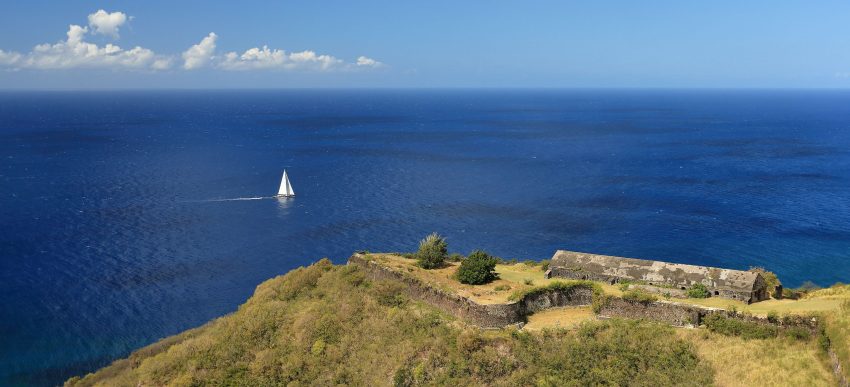
St. Kitts and Nevis is a twin-island nation in the eastern Caribbean, known for its compact size, warm climate, and easygoing pace. Set against the deep blues of the Atlantic and Caribbean Sea, the islands blend lush green peaks with golden beaches and clear coastal waters, making them a natural fit for travelers who want both scenery and relaxation.
St. Kitts, the larger of the two, offers a lively mix of local culture, waterfront dining, and scenic drives that climb toward rainforest-covered slopes. Nevis feels quieter and more intimate, with charming villages, calm beaches, and a slower rhythm that invites you to unplug. Together, they deliver a balanced experience-more to explore than you’d expect, without feeling crowded.
Whether you’re visiting for a short getaway or a longer stay, St. Kitts and Nevis is well-suited to beach days, light adventure, and sampling Caribbean flavors. Expect friendly hospitality, vibrant music and festivals at different times of year, and plenty of viewpoints where the islands’ natural beauty does most of the talking.
History of St. Kitts and Nevis
St. Kitts and Nevis—two neighboring islands in the eastern Caribbean—share a linked history shaped by Indigenous settlement, European rivalry, plantation slavery, emancipation, and a long path to self-government and independence.
Before European colonization (to early 1600s)
Long before Europeans arrived, the islands were inhabited by Indigenous peoples who moved through the Lesser Antilles over centuries. Communities developed fishing, farming, and inter-island trade networks. By the time Europeans began visiting regularly, the islands were associated with the Kalinago (Carib) sphere of influence, alongside earlier Arawak-speaking groups.
Early European contact and settlement (1493–1620s)
Christopher Columbus sighted the islands in 1493 during his second voyage. Spain did not establish lasting colonies there, but European interest grew as other powers sought bases in the Caribbean.
In 1623, the English established one of their first enduring Caribbean settlements on St. Kitts (St. Christopher). French settlers followed soon after, and the island was partitioned between English and French communities—an unusual arrangement that made St. Kitts a focal point of imperial competition.
Sugar, slavery, and imperial warfare (mid-1600s–1700s)
Sugar cultivation expanded rapidly, transforming the islands’ economies and landscapes. Large plantations required intensive labor, and enslaved Africans were forcibly transported in great numbers. Plantation society became highly stratified, with wealth concentrated among planters and merchants, while enslaved people endured brutal conditions and legal repression.
St. Kitts, in particular, became a strategic prize. English and French forces repeatedly fought over it, and control shifted during wars in Europe and the Caribbean. Nevis also developed a plantation economy and, for a time, became a prosperous British sugar island with an active port and merchant class.
By the early 1700s, Britain’s position strengthened. The Treaty of Utrecht (1713) confirmed British control of St. Kitts, and the islands remained within the British imperial system thereafter, though still vulnerable to privateering, conflict, and economic shocks.
Decline of sugar dominance and emancipation (1800s)
During the 1800s, the sugar economy faced mounting pressures: soil exhaustion, competition from other producers, changing trade conditions, and periodic natural disasters. Nevis suffered especially from earthquakes and hurricanes that damaged infrastructure and undermined prosperity.
Britain abolished the transatlantic slave trade in 1807, but slavery itself continued until emancipation in 1834, followed by a period of “apprenticeship” that ended in 1838. Freedom did not bring equality: land ownership and political power remained concentrated, and many freed people had limited access to land and secure livelihoods, keeping plantation labor central to the economy.
Toward modern politics and labor movements (late 1800s–1950s)
As the plantation system persisted, working people organized for better wages and conditions. Labor activism and emerging political organizations became increasingly influential in the early 20th century, reflecting wider Caribbean trends.
Administratively, Britain grouped and regrouped its Caribbean territories. St. Kitts, Nevis, and Anguilla were linked under a single colonial arrangement, which shaped political tensions—especially where smaller islands felt dominated by decision-making centered on St. Kitts.
Associated statehood and Anguilla’s separation (1960s–1970s)
In 1967, St. Kitts-Nevis-Anguilla became an “Associated State” of Britain, gaining internal self-government while Britain retained responsibility for defense and external affairs. That same year, Anguilla rejected the arrangement, objecting to governance from St. Kitts, and moved to separate. After a prolonged dispute and direct British administration, Anguilla was formally separated and became a distinct British territory.
Independence and the federation’s structure (1983–present)
St. Kitts and Nevis became an independent state on 19 September 1983, forming a federation with a single sovereign government and a constitution that also grants Nevis its own island administration and a defined degree of autonomy. The constitutional design reflects the islands’ shared statehood alongside Nevis’s desire for local control; debates over the balance of federal and island authority have periodically resurfaced.
Economically, the country gradually diversified beyond sugar. Tourism, services, and offshore-related activities grew in importance. Sugar production, long central to the national story, ended in the early 2000s, marking a major shift in land use and employment patterns.
Today, St. Kitts and Nevis remains a small federal state with a history deeply shaped by Indigenous presence, colonial rivalry, plantation slavery, emancipation, labor politics, and the ongoing task of balancing unity with island autonomy.
Best Time to Visit St. Kitts and Nevis
Visiting St. Kitts and Nevis in Winter (Best)
Winter (December–February) is the most popular time to visit St. Kitts and Nevis thanks to warm, sunny days, lower humidity, and minimal rainfall. It’s ideal for beach time, sailing, hiking Brimstone Hill Fortress trails, and enjoying clear-water snorkeling and diving. Festival highlight: St. Kitts and Nevis National Carnival (late December into early January) brings parades, music, and cultural events—great if you want peak energy and nightlife.
Visiting St. Kitts and Nevis in Spring
Spring (March–May) offers excellent weather similar to winter, often with slightly fewer crowds and a more relaxed feel. It’s a strong choice for outdoor activities, island-hopping between St. Kitts and Nevis, and enjoying calmer beaches before the wetter months arrive. Festival highlight: Easter celebrations can be lively, and local events and beach gatherings are common around the holiday period.
Visiting St. Kitts and Nevis in Summer
Summer (June–August) is hotter and more humid, with a higher chance of short, heavy showers—often passing quickly. This season can be a good fit if you prefer a quieter trip, better availability, and don’t mind occasional rain in exchange for a slower pace. Festival highlight: St. Kitts Music Festival (typically late June) is a major draw, featuring regional and international acts and a big, festive atmosphere.
Visiting St. Kitts and Nevis in Fall
Fall (September–November) is the wettest period and overlaps with the peak of the Atlantic hurricane season (especially September and October). Travel can still be enjoyable with flexibility—expect intermittent rain and keep an eye on forecasts. As November approaches, conditions usually begin to improve. Festival highlight: Cultural and community events may pop up, but this season is more about quieter travel and lower demand than major headline festivals.
Food and Drink from St. Kitts and Nevis
Food and drink in St. Kitts and Nevis reflect a blend of African, European, and wider Caribbean influences, shaped by the islands’ coastal setting and fertile volcanic soil. Daily cooking leans on fresh seafood, local root crops, and tropical produce, with meals often built around hearty, well-seasoned staples rather than elaborate presentation. Home-style dishes are typically flavored with thyme, scallion, garlic, hot pepper, and citrus, and you’ll find a strong tradition of slow cooking, stewing, and frying that suits both family tables and roadside food spots.
A signature national favorite is goat water, a rich, peppery goat stew thickened with breadfruit and dumplings and perfumed with herbs and spices. Another classic is cook-up (or cook-up rice), a one-pot dish where rice simmers with pigeon peas, salted meats or chicken, coconut milk, and seasonings until it turns deeply savory. Saltfish is also common, paired with dumplings, provision (yam, sweet potato, eddoe), or sautéed vegetables, while conch, lobster, snapper, and other catches appear grilled, curried, or stewed depending on the season and the cook.
Street food and casual bites are a big part of the experience. You’ll often see patties and turnovers filled with spiced meat or fish, along with johnny cakes and other fried breads that make an easy snack with pepper sauce. Barbecue and grill culture is strong, especially for chicken and fish, and sides might include macaroni pie, plantains, coleslaw, or stewed beans. Desserts and sweet treats draw on coconut, sugar, and fruit—think coconut tarts, bread pudding, and jams made from guava, mango, or tamarind.
Drinks range from refreshing fruit juices to rum-forward classics. Local rum is central to social life, showing up in rum punches and simple mixed drinks, while ginger beer and soursop, tamarind, passion fruit, and sorrel drinks offer bright, cooling alternatives. Mauby, made from tree bark and spices, is a traditional option with a distinctive bittersweet taste. Whether at a beach bar or a family gathering, the islands’ food and drink culture is defined by warmth, generosity, and bold, comforting flavors.