St Helena, Ascension and Tristan da Cunha: The Ultimate Travel Guide 2026
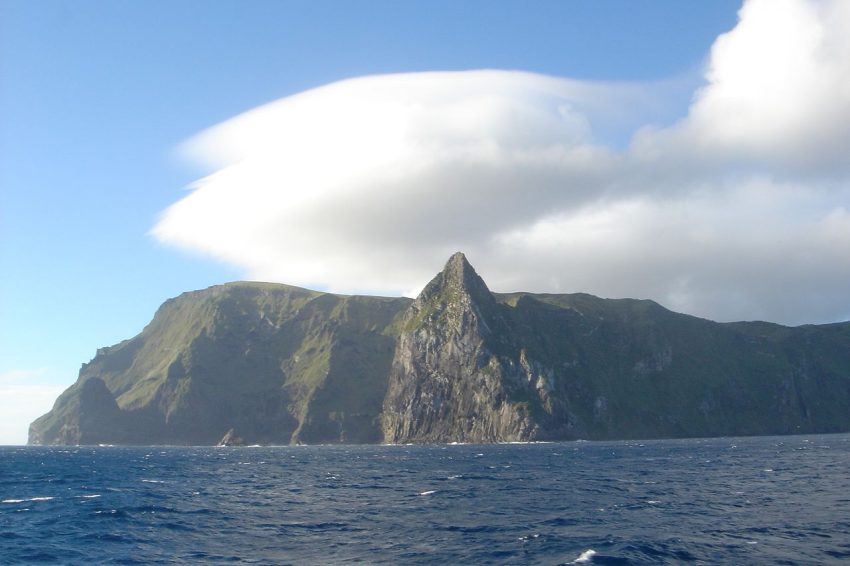
St Helena, Ascension and Tristan da Cunha is a UK Overseas Territory made up of three distinct island groups scattered across the South Atlantic Ocean. Though they share a single administration, each island has its own character, landscape, and pace of life-linked more by the ocean around them than by proximity to one another. Together, they form one of the most remote inhabited territories in the world, defined by wide horizons, open seas, and a strong sense of place.
St Helena is the most populated of the three and is known for its steep valleys, rugged cliffs, and greener highlands. Its capital, Jamestown, sits in a narrow coastal valley with a small-town feel and a striking natural setting. The island’s mix of dramatic scenery and close-knit community makes it both distinctive and welcoming, with everyday life shaped by the rhythms of island living.
Ascension and Tristan da Cunha offer very different environments. Ascension is drier and more volcanic in appearance, with stark landscapes, unique wildlife, and a small resident community alongside visiting personnel. Tristan da Cunha, by contrast, is a remote, mountainous island group with a tiny population and a powerful sense of isolation, where the natural world feels close and the community is central to daily life.
Table of Contents
- History of St Helena, Ascension and Tristan da Cunha
- 1500s–1600s: Discovery, waystations, and early settlement
- 1700s: Imperial outpost and maritime hub
- 1815–1821: Napoleon’s exile and St Helena’s global moment
- 1815–late 1800s: Formal annexations, abolition, and new roles
- Late 1800s–early 1900s: Steamships, cables, and changing fortunes
- 1930s–1940s: War and strategic expansion
- 1961–1963: Tristan’s volcanic eruption and evacuation
- Late 1900s: Modern administration and communications
- 2000s–present: Constitutional change, connectivity, and contemporary challenges
- Best Time to Visit St Helena, Ascension and Tristan da Cunha
- Food and Drink from St Helena, Ascension and Tristan da Cunha
History of St Helena, Ascension and Tristan da Cunha
St Helena, Ascension and Tristan da Cunha is a single UK Overseas Territory made up of three remote island groups in the South Atlantic, each with a distinct history shaped by exploration, strategic rivalry, imperial administration, and—especially for St Helena—global maritime routes.
1500s–1600s: Discovery, waystations, and early settlement
St Helena was sighted by Portuguese navigators in the early 1500s and became a crucial refreshment stop for ships returning from Asia. The Portuguese did not establish a permanent colony, but the island’s water and food supplies made it valuable to passing fleets.
By the mid-1600s, the English East India Company moved to secure St Helena as a strategic resupply base. Permanent English settlement began in the 1650s, and the island developed around a fortified port and plantation-style agriculture worked by enslaved Africans and others brought through imperial trade networks.
Ascension Island was also known to early European navigators, but its lack of fresh water and harsh conditions prevented settlement for centuries. Tristan da Cunha was sighted in the early 1500s as well, but remained uninhabited; its isolation and difficult landing conditions discouraged colonization.
1700s: Imperial outpost and maritime hub
Through the 1700s, St Helena’s importance grew as a guarded stopover on the route between Europe and the Indian Ocean. The island’s defenses and governance were tied closely to the East India Company, and its society reflected a layered colonial order: company officials, soldiers, planters, free people of color, and enslaved laborers.
Ascension and Tristan remained largely uninhabited, visited mainly by passing ships for provisions (where possible), sealing, or scientific curiosity.
1815–1821: Napoleon’s exile and St Helena’s global moment
St Helena became internationally famous when Napoleon Bonaparte was exiled there after his defeat. The British government took direct control to secure the island, and Napoleon lived under guard until his death in 1821. The episode intensified fortifications and administrative attention, and it fixed St Helena in global historical memory.
1815–late 1800s: Formal annexations, abolition, and new roles
In 1815, Britain formally annexed Ascension, initially as a naval station to help secure the South Atlantic and to prevent any attempt to rescue Napoleon. Ascension later became a base for maritime patrols and communications, and it supported efforts against the transatlantic slave trade.
Tristan da Cunha was annexed by Britain in 1816, partly to prevent it being used by hostile powers. A small permanent community formed from the early 1800s, founded by a handful of settlers and later joined by others from different backgrounds. The island developed a distinctive, close-knit society shaped by isolation, limited land, and reliance on fishing and small-scale agriculture.
On St Helena, slavery was abolished in the 1830s. The island’s economy and labor system shifted, and St Helena also became involved in the suppression of the slave trade: liberated Africans rescued from slave ships were landed there, creating a significant humanitarian and demographic chapter in the island’s history.
Late 1800s–early 1900s: Steamships, cables, and changing fortunes
St Helena’s traditional role as a sailing-ship stopover declined with the rise of steam navigation and changing trade routes. Economic opportunities narrowed, prompting emigration and increasing dependence on imperial support.
Ascension’s strategic value rose with modern communications and naval logistics. Cable and later radio and tracking facilities made it important despite its tiny civilian population.
Tristan da Cunha remained economically marginal but socially stable, with the community centered on the main settlement and communal practices adapted to scarce resources and extreme remoteness.
1930s–1940s: War and strategic expansion
During the Second World War, Ascension’s location became especially valuable. Airfields and military infrastructure were developed, turning it into a key staging point for aircraft and a hub for anti-submarine and convoy-related operations in the Atlantic.
St Helena also contributed to wartime logistics and security in the region, though its role was more limited than Ascension’s.
1961–1963: Tristan’s volcanic eruption and evacuation
A major volcanic eruption in 1961 forced the evacuation of Tristan da Cunha’s entire population to the United Kingdom. After assessments and repairs, most islanders chose to return in the early 1960s, reaffirming the community’s attachment to the island and restoring settlement life, though with lasting changes in infrastructure and external connections.
Late 1900s: Modern administration and communications
Across the territory, governance evolved from older colonial arrangements toward modern Overseas Territory administration. Ascension’s military and communications functions continued to expand, including roles in space and satellite tracking and transatlantic aviation support.
St Helena faced persistent economic constraints and geographic isolation, relying on sea links and limited local industries, while also developing a public sector and services typical of small territories.
Tristan da Cunha continued to depend on fishing (especially lobster) and limited exports, with a strong emphasis on community cohesion and careful management of resources.
2000s–present: Constitutional change, connectivity, and contemporary challenges
A constitutional change in 2009 formalized the territory’s structure and recognized St Helena, Ascension and Tristan da Cunha as equal constituent parts under a single territorial framework, while preserving distinct local administrations.
St Helena’s long-standing isolation eased with the development of an airport, reshaping travel, logistics, and economic planning, even as the island continues to balance environmental constraints, limited land, and the realities of a small market.
Ascension remains strategically significant, with a small resident population alongside substantial operational activity linked to defense, aviation, and communications.
Tristan da Cunha remains one of the world’s most remote inhabited places, focused on sustainable fisheries, conservation, and maintaining essential services for a tiny population, while managing the risks of weather, supply disruptions, and environmental change.
Today, the territory’s history is visible in its layered identities: St Helena as a former global maritime crossroads and place of exile; Ascension as a strategic and technical hub; and Tristan da Cunha as a resilient, tightly bonded community shaped by isolation and the sea.
Best Time to Visit St Helena, Ascension and Tristan da Cunha
Visiting St Helena, Ascension and Tristan da Cunha in Spring
Spring (roughly September to November) is a pleasant time to visit, with comfortable temperatures and generally good conditions for walking, sightseeing, and boat trips (where available). It’s a strong shoulder season for travelers who want fewer crowds and good visibility for coastal views and wildlife spotting.
Visiting St Helena, Ascension and Tristan da Cunha in Summer (Best)
Summer (roughly December to February) is often the best all-round period for a trip, thanks to warmer weather and longer, brighter days that suit outdoor exploring, swimming, and excursions. This is also a popular time for community events—if you’re interested in local culture, keep an eye out for seasonal celebrations around Christmas and New Year, which can be a highlight on St Helena in particular.
Visiting St Helena, Ascension and Tristan da Cunha in Autumn
Autumn (roughly March to May) can be an excellent choice if you want warm conditions but a slightly quieter feel than peak summer. It’s a good season for hiking and scenic drives on St Helena, and for enjoying calmer, less busy travel periods while still benefiting from generally favorable weather.
Visiting St Helena, Ascension and Tristan da Cunha in Winter
Winter (roughly June to August) is cooler and can feel windier, which may affect sea conditions and the comfort of outdoor activities, especially on more exposed coasts. It can still be rewarding for travelers who prefer cooler hiking weather and a more tranquil atmosphere, but it’s wise to plan with flexibility for weather-dependent excursions.
Food and Drink from St Helena, Ascension and Tristan da Cunha
Food and drink across St Helena, Ascension and Tristan da Cunha reflect small-island life in the South Atlantic: practical, seasonal, and shaped by what can be grown locally, what can be caught from the sea, and what arrives by ship. Home cooking is central, with meals often built around staples such as rice, potatoes, flour and tinned goods, then lifted by fresh fish, garden vegetables, and island-grown herbs when available. Because supply lines are long and weather-dependent, preserving, freezing and making the most of every delivery are everyday skills, and community events frequently feature shared dishes that stretch ingredients to feed many.
On St Helena, the most distinctive local flavour comes from its coffee, grown on the island’s volcanic slopes and prized for its smooth, aromatic character. Island kitchens commonly use local produce when it’s in season—vegetables from small plots, fruit from gardens, and fish landed by local boats—alongside imported basics. Traditional baking and puddings sit comfortably beside British-influenced comfort food, and you’ll often find hearty plates designed for working days: stews, roasts when meat is available, and simple lunches made from bread, eggs and whatever the garden provides.
Ascension’s food culture is strongly influenced by its mixed community and its reliance on imported supplies, but the sea still plays a starring role. Tuna, wahoo and other pelagic fish are popular when the catch is good, appearing grilled, curried or served in sandwiches and salads. With limited arable land, fresh produce can be scarce at times, so islanders lean on store-cupboard cooking—pasta, rice, pulses and canned ingredients—supplemented by occasional local greens and shared garden harvests. Social life often centres on communal meals, barbecues and informal gatherings where fish and simple sides are the main event.
Tristan da Cunha, the most remote of the three, is defined by self-reliance and careful use of local resources. Fishing and the sea are vital, and the island’s famous lobster fishery underpins both the economy and the table, while other seafood and seasonal catches add variety. Potatoes are a key staple, traditionally grown in dedicated plots, and they anchor many meals alongside home-baked bread and preserved foods that help bridge gaps between supply ships. Drinks are typically the familiar everyday kind—tea, coffee and whatever is available from stores—while celebrations bring out special bottles and home-style treats that turn limited ingredients into something generous and communal.