St. Eustatius: The Ultimate Travel Guide 2026
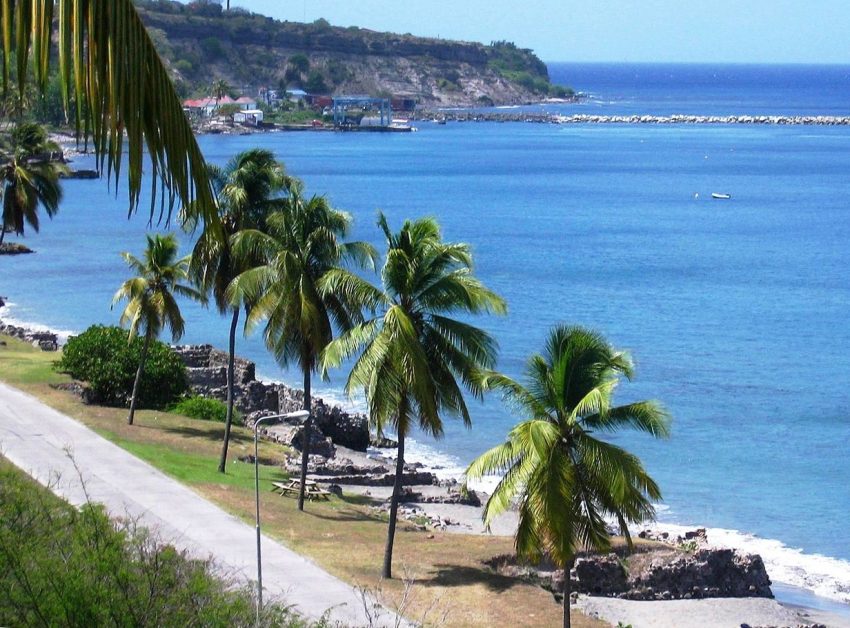
St. Eustatius-often called “Statia”-is a small, quiet Caribbean island in the northeastern part of the region, known for its dramatic volcanic landscape and relaxed pace. Dominated by the lush slopes of The Quill, a dormant volcano and national park, the island offers striking views, hiking trails, and a close connection to nature that’s hard to find in busier destinations.
Despite its compact size, St. Eustatius has a distinct character shaped by its friendly community and unspoiled surroundings. You’ll find a low-key capital area, local eateries, and a sense of everyday island life that feels authentic and unrushed. It’s a place where visitors can slow down, explore on foot, and enjoy warm hospitality without the crowds.
Above and below the water, Statia is a haven for outdoor lovers. Divers and snorkelers come for clear waters, healthy marine life, and accessible sites, while on land there are scenic viewpoints, coastal paths, and tranquil beaches for a simple day by the sea. Whether you’re looking for adventure or calm, St. Eustatius delivers a refreshing, understated Caribbean escape.
Table of Contents
- History of St. Eustatius
- Before Europeans
- 1600s: Dutch settlement and a trading outpost
- 1700s: “The Golden Rock”
- 1770s–1780s: The American Revolution and the First Salute
- Late 1700s–1800s: Decline of the free port and the end of slavery
- 1900s: Small-island life under the Dutch Caribbean
- 2000s–present: Constitutional change and a new status
- Best Time to Visit St. Eustatius
- Food and Drink from St. Eustatius
History of St. Eustatius
St. Eustatius—often called “Statia”—is a small Caribbean island in the northern Lesser Antilles. Despite its size, it has repeatedly sat at the crossroads of empire, trade, war, and shifting sovereignty, leaving a history that is outsized in regional and Atlantic terms.
Before Europeans
Long before European arrival, the island was used and settled by Indigenous peoples moving through the Lesser Antilles. Archaeological evidence across the region points to successive waves of habitation and exchange networks linking islands through trade, fishing, and farming. Statia’s sheltered anchorages and position along sailing routes made it a practical stop within these inter-island systems.
1600s: Dutch settlement and a trading outpost
In the 17th century, the Dutch established control and developed St. Eustatius as a commercial node rather than a plantation-heavy colony. Its value lay in its harbor, warehouses, and its role as a neutral or semi-neutral marketplace where goods could be bought, sold, and re-exported. Over time, the island became known for its freewheeling commerce—legal, semi-legal, and illicit—serving merchants from many nations.
1700s: “The Golden Rock”
By the 18th century, St. Eustatius had become one of the busiest trading centers in the Caribbean, earning the nickname “The Golden Rock.” The island’s economy revolved around transshipment: sugar, coffee, tobacco, cotton, rum, manufactured goods, and—crucially—arms and ammunition moved through its port. Its warehouses and merchant houses grew, and the island’s population expanded with a mix of European merchants, free people of color, and enslaved Africans whose labor underpinned much of the island’s commercial infrastructure and local production.
1770s–1780s: The American Revolution and the First Salute
St. Eustatius is closely associated with the American Revolutionary era because it functioned as a conduit for supplies to the rebelling North American colonies. In 1776, the island is remembered for an event often called the “First Salute,” when a Dutch fort returned a salute to an American vessel—an episode later celebrated as an early gesture of recognition, though the practical reality was that commerce drove much of the interaction.
That same strategic role made Statia a target. In 1781, British forces seized the island, aiming to crush its trading power and capture goods. The occupation involved widespread confiscation and disruption of merchant networks. Control of the island shifted again amid the broader European conflicts of the era, and the shock to Statia’s commercial dominance proved difficult to reverse.
Late 1700s–1800s: Decline of the free port and the end of slavery
After its peak, St. Eustatius faced long-term decline. Changes in imperial policy, wartime disruptions, competition from other ports, and the vulnerability of a trade-dependent economy all reduced its importance. The 19th century brought further transformation as Atlantic slavery came under increasing pressure. Enslaved people on St. Eustatius were emancipated in the Dutch Caribbean in 1863. Emancipation ended legal slavery, but it did not instantly resolve economic hardship; like many Caribbean societies, Statia faced the challenge of building livelihoods in a post-slavery economy with limited land and capital.
1900s: Small-island life under the Dutch Caribbean
In the 20th century, St. Eustatius remained a small, close-knit community with limited economic opportunities, shaped by migration, remittances, and public-sector employment. Infrastructure and services gradually expanded, and the island’s identity developed within the broader Dutch Caribbean framework. Cultural life reflected a blend of local traditions and wider Caribbean influences, with English widely used in daily life alongside Dutch in official contexts.
2000s–present: Constitutional change and a new status
A major turning point came in 2010, when the Netherlands Antilles was dissolved. St. Eustatius became a special municipality of the Netherlands (a “public body”), alongside Bonaire and Saba. This change brought closer administrative ties to the European Netherlands and ongoing debates about governance, autonomy, public services, and the pace and direction of social and economic development.
In the years since, Statia has continued to balance local priorities with the realities of being a small island in a larger state structure. Its economy has included public-sector activity, limited tourism, and port-related and storage activities, while its historical landscape—fortifications, ruins, and the remnants of its 18th-century mercantile peak—remains central to how the island tells its story.
Today, St. Eustatius is often understood through two lenses at once: as a quiet island community and as a former Atlantic trading powerhouse whose brief period of extraordinary prominence left a lasting imprint on Caribbean and transatlantic history.
Best Time to Visit St. Eustatius
Visiting St. Eustatius in Winter (Best)
Winter is one of the most popular times to visit St. Eustatius thanks to warm, comfortable days, lower humidity, and generally pleasant conditions for hiking The Quill, diving, and beach time. It’s also a great season for clearer underwater visibility and calmer-feeling days overall, making it ideal if you want an easy, outdoors-focused trip.
Visiting St. Eustatius in Spring
Spring in St. Eustatius stays warm and inviting, with a gradual shift toward slightly higher humidity as the season progresses. It’s a strong choice if you want good weather but prefer a quieter feel than peak winter travel. Spring can be excellent for diving and snorkeling, and it’s a nice time for exploring the island’s historical sites and trails without the busiest crowds.
Visiting St. Eustatius in Summer
Summer brings hotter temperatures and higher humidity in St. Eustatius, which can make midday activities feel more intense—especially for longer hikes. That said, it can be a good time to visit if you’re looking for a more laid-back atmosphere and don’t mind planning outdoor adventures for early morning or late afternoon. Summer is also when Carnival season is typically a major highlight, with parades, music, and cultural events drawing locals and visitors into the celebrations.
Visiting St. Eustatius in Fall
Fall in St. Eustatius is generally warmer and can be more changeable, with a higher chance of rain and tropical systems compared with winter and spring. If you’re flexible with plans and want a quieter trip, fall can still be rewarding—especially for diving, local food, and uncrowded sightseeing. It’s also a good season to watch for community events and cultural celebrations that may be scheduled during the shoulder period, depending on the year.
Food and Drink from St. Eustatius
St. Eustatius, often called Statia, has a food culture shaped by its small-island setting and a long history of trade and migration through the northeastern Caribbean. Meals tend to be hearty and practical, built around what’s available locally—fresh fish when the sea is generous, goat and chicken when it’s not, and a steady supporting cast of rice, peas, root vegetables, and greens. You’ll find familiar Caribbean flavors—garlic, thyme, scallion, hot pepper, and citrus—alongside Dutch influences that show up in everyday staples and some imported pantry items.
Seafood is a highlight, with snapper, mahi-mahi, wahoo, and lobster featuring on many menus when in season. Fish is commonly grilled, fried, or stewed, often served with rice and peas, plantains, or a simple salad, and brightened with pepper sauce or a squeeze of lime. Conch and other shellfish may appear in soups or sautéed dishes, and weekend cooking can lean toward big pots—fish soup, seafood stews, or slow-simmered broths—meant for sharing. Local cooks often balance heat with tang, using vinegar-based sauces and citrus to cut through richer flavors.
On land, Statia’s comfort foods include goat and chicken prepared in stews or curries, sometimes with a slightly sweet edge from caramelized onions or a touch of sugar, and often paired with rice, dumplings, or ground provisions like yam and sweet potato. Sides can include callaloo-style greens, okra, and beans, reflecting the broader Eastern Caribbean table. Baked goods and snacks also play a role in daily life—simple breads, pastries, and quick bites that fit island schedules—while home cooking remains central, especially for family gatherings and community events.
Drinks on St. Eustatius range from straightforward and refreshing to celebratory and strong. Rum is a common base for mixed drinks, punches, and festive cocktails, while beer and soft drinks are widely available. Non-alcoholic favorites include fruit juices and smoothies made from what’s in season—think tamarind, guava, mango, soursop, and passion fruit—along with coconut water when you can get it fresh. Whether you’re eating at a small local spot or at a home table, the island’s food and drink tend to emphasize warmth, generosity, and bold, unfussy flavor.