St. Barthelemy: The Ultimate Travel Guide 2026
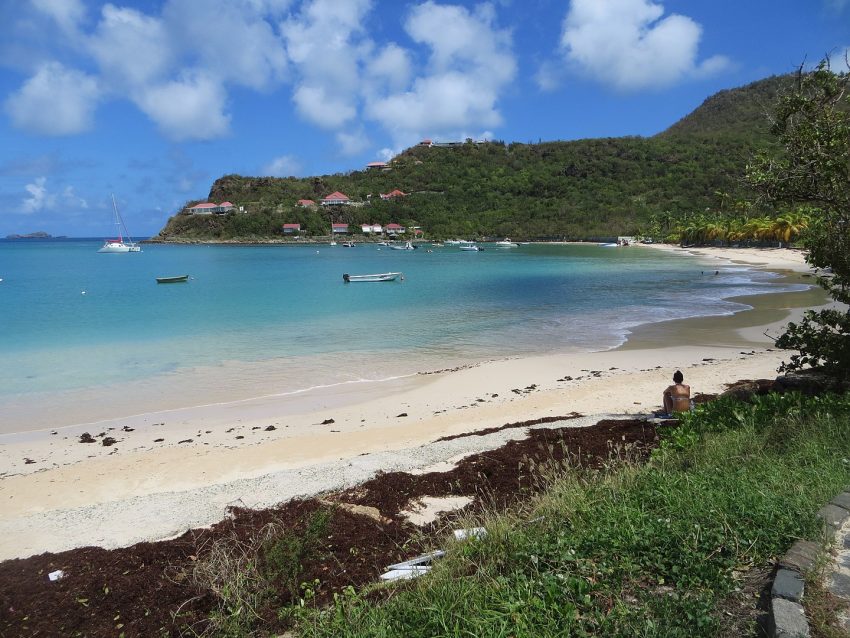
St. Barthélemy-often called St. Barts-is a small French Caribbean island known for its polished, low-key luxury and striking natural beauty. With turquoise coves, pale sand beaches, and rugged coastal views, it feels both intimate and effortlessly refined. The island’s compact size makes it easy to explore, yet each bay and neighborhood has its own distinct character.
Life on St. Barts revolves around the water and the outdoors. Visitors come for calm swimming spots, excellent snorkeling, sailing, and scenic drives that reveal lookout points and hidden beaches. Between beach time, you’ll find chic boutiques, art galleries, and cafés that blend Caribbean ease with French style, creating an atmosphere that’s relaxed but unmistakably upscale.
Gustavia, the island’s main town, is the hub for dining, shopping, and harbor views, while quieter areas offer a more secluded escape. From casual beach clubs to fine dining, the food scene is a highlight, with fresh seafood and French-inspired menus everywhere you turn. Whether you’re after a romantic getaway, a laid-back beach week, or a stylish base for island-hopping, St. Barts delivers a sunny, serene setting with a distinctly elegant edge.
Table of Contents
- History of St. Barthelemy
- Before Europeans
- 1493–1600s: European “discovery” and early claims
- 1600s–1700s: French settlement and plantation society
- 1784–1878: Swedish St. Barth and the free port of Gustavia
- 1878–1940s: Return to France and a quiet, difficult economy
- 1950s–1980s: The rise of tourism
- 1990s–2007: Greater local governance
- 2007–present: A French overseas collectivity with a distinct status
- Best Time to Visit St. Barthelemy
- Food and Drink from St. Barthelemy
History of St. Barthelemy
Saint Barthélemy (often called St. Barts or St. Barth) is a small volcanic island in the northeastern Caribbean whose history has been shaped by shifting European empires, a plantation economy that never reached the scale of larger sugar islands, and—more recently—tourism and a distinctive political status within France.
Before Europeans
Long before European contact, the island was visited and settled by Indigenous peoples of the Lesser Antilles. Archaeological evidence across the region points to successive waves of habitation, with communities relying on fishing, coastal resources, and inter-island trade networks. By the time Europeans arrived, Indigenous populations in the Caribbean were already under severe pressure from disease, displacement, and conflict associated with colonization.
1493–1600s: European “discovery” and early claims
Christopher Columbus sighted the island in 1493 and named it after his brother, Bartolomeo. For much of the 1500s and early 1600s, European powers focused on larger, more immediately profitable islands, and St. Barth remained comparatively marginal. Its small size, limited freshwater, and modest agricultural potential made it less attractive than nearby islands that could support large-scale sugar production.
1600s–1700s: French settlement and plantation society
France established control and settlement in the 17th century, and St. Barth developed as a small colonial society. Plantations existed, and enslaved Africans were brought to the island, but the economy was constrained by terrain and water scarcity. Cotton, indigo, and small-scale sugar cultivation appeared at different times, alongside subsistence farming, fishing, and inter-island commerce. The island’s social structure reflected the broader Caribbean colonial pattern—European landholders and administrators at the top, free people of color in varying circumstances, and an enslaved majority for long stretches of the period.
1784–1878: Swedish St. Barth and the free port of Gustavia
A defining turn came in 1784 when France transferred St. Barth to Sweden. Sweden renamed the main town Gustavia (after King Gustav III) and established it as a free port. This policy transformed the harbor into a regional trading hub, especially during periods of war and shifting trade restrictions among European empires. Merchants, sailors, and settlers from many places passed through, and the island’s economy became more commercial and maritime than agricultural.
This era also included the contradictions typical of Caribbean port economies: trade and opportunity for some, alongside the continued presence of slavery. Sweden abolished slavery on the island in 1847, earlier than some neighboring colonies but after decades in which enslaved labor had supported local households and enterprises.
Over time, Gustavia’s importance declined as trade patterns changed, competition increased, and the free-port advantage faded. Hurricanes, fires, and economic downturns further weakened the island’s prospects.
1878–1940s: Return to France and a quiet, difficult economy
In 1878, Sweden sold the island back to France. Under French administration, St. Barth entered a long period marked by limited economic opportunity and significant emigration. Many residents sought work elsewhere in the Caribbean or in the Americas. The island remained relatively isolated, with a small population and an economy based on fishing, small farming, and remittances.
1950s–1980s: The rise of tourism
St. Barth’s modern transformation began in the mid-20th century as air access improved and the island’s beaches, sheltered coves, and low-rise character attracted visitors. Investment in hotels, villas, and services grew, and tourism gradually became the dominant economic engine. The island developed a reputation for upscale travel, shaped by limited land, controlled development compared with some neighboring destinations, and a focus on boutique hospitality.
1990s–2007: Greater local governance
As tourism expanded and the island’s needs diverged from those of Guadeloupe (the French overseas department to which St. Barth was administratively attached), local leaders pushed for more autonomy in managing taxation, planning, and public services.
2007–present: A French overseas collectivity with a distinct status
In 2007, Saint Barthélemy became a separate French overseas collectivity (Collectivité d’outre-mer), gaining greater control over local affairs while remaining part of the French Republic. It uses French institutions in many areas, but with locally tailored rules in fields such as taxation and urban planning.
In the 21st century, the island has balanced the benefits and pressures of high-end tourism—jobs and revenue alongside housing costs, infrastructure strain, and environmental vulnerability. Hurricanes, most notably Irma in 2017, have been major tests, prompting large-scale rebuilding and renewed attention to resilience.
Today, St. Barth’s history is visible in the Swedish-era street names and harbor town of Gustavia, the French civic framework, and the island’s blend of Caribbean geography with a global tourism economy.
Best Time to Visit St. Barthelemy
Visiting St. Barthelemy in Winter (Best)
Winter (December–March) is the most popular time to visit St. Barthelemy, with warm, sunny days, low humidity, and minimal rainfall—ideal for beach time, sailing, and dining out. This is peak season, so expect the highest prices and the busiest atmosphere, especially around the holidays.
Festival highlights:
- St. Barts New Year’s celebrations (late December–early January): a major draw with a lively, upscale party scene.
- St. Barts Music Festival (typically January): classical and jazz performances that attract international talent and visitors.
Visiting St. Barthelemy in Spring
Spring (April–May) stays warm and generally pleasant, with fewer crowds than winter and a slightly more relaxed pace. It’s a strong shoulder season for travelers who want great weather without the peak-season intensity, and you may find better availability and value than in winter.
Festival highlights:
- Easter period (March/April): often brings a festive buzz and increased travel demand, depending on the year.
Visiting St. Barthelemy in Summer
Summer (June–August) is hotter and more humid, with a higher chance of brief tropical showers. It’s typically quieter, which can be appealing if you prefer a calmer island experience and potentially better rates, though some restaurants and boutiques may reduce hours or close for part of the season.
Festival highlights:
- Bastille Day (July 14): a key cultural celebration with French-Caribbean flair, often featuring local festivities.
Visiting St. Barthelemy in Fall
Fall (September–November) is the slowest period and overlaps with the Atlantic hurricane season, with the highest risk generally in September and October. If you’re flexible and prioritize deals and tranquility, late fall—especially November—can be a good compromise as conditions begin to improve and the island gears up for the winter rush.
Festival highlights:
- Gustavia Lights (typically December, but preparations begin in late fall): the lead-in to the holiday season can bring a growing festive atmosphere toward the end of November.
Food and Drink from St. Barthelemy
St. Barthélemy’s food and drink scene reflects its French roots while embracing the Caribbean setting, resulting in a style that feels both refined and sun-soaked. You’ll find classic French techniques—careful sauces, pristine seafood cookery, and beautiful pastries—paired with local ingredients and a relaxed island rhythm. Meals often revolve around what’s fresh off the boats and what’s in season, with menus that shift quickly to match the day’s catch. Even casual beach spots tend to take ingredients seriously, making it easy to eat well whether you’re dressed up in Gustavia or barefoot near the water.
Seafood is the star, and it shows up in everything from simple grilled fish to more polished plates like tuna tartare, lobster preparations, and delicate shellfish dishes. Caribbean touches appear through bright citrus, herbs, and gentle heat, and you’ll often see sides that nod to the region—plantains, rice, or fresh salads—alongside French staples. Local specialties can include accras (savory fritters) and other small bites that pair naturally with a cold drink at sunset. The island’s compact size means many restaurants are close to the harbors and beaches, so the connection between sea and table feels immediate.
French bakery culture is also part of daily life on St. Barthélemy, with morning stops for crusty baguettes, buttery croissants, and elegant tarts. Breakfast and brunch can be as simple as pastries and espresso or as indulgent as eggs, smoked fish, and fruit served with a view. Cheese and charcuterie boards are common for leisurely afternoons, and dessert menus often lean French—think crème brûlée, mousse, and fruit-forward sweets—sometimes accented with tropical flavors. This mix of patisserie precision and island produce gives the sweet side of St. Barth dining its distinctive charm.
Drinks on St. Barthélemy range from crisp French wines and Champagne to rum-based cocktails that fit the Caribbean climate. Rosé is especially popular in warm weather, and many lists include well-chosen French and international bottles to match seafood-heavy menus. For something more local in spirit, bars and beach clubs serve ti’ punch, rum punches, and cocktails built around lime, sugar, and aromatic bitters, often enjoyed during golden-hour gatherings. Whether you’re sipping a simple aperitif or a celebratory bottle, the island’s drinking culture is tied to lingering meals, ocean breezes, and an easygoing sense of occasion.