South Korea: The Ultimate Travel Guide 2026
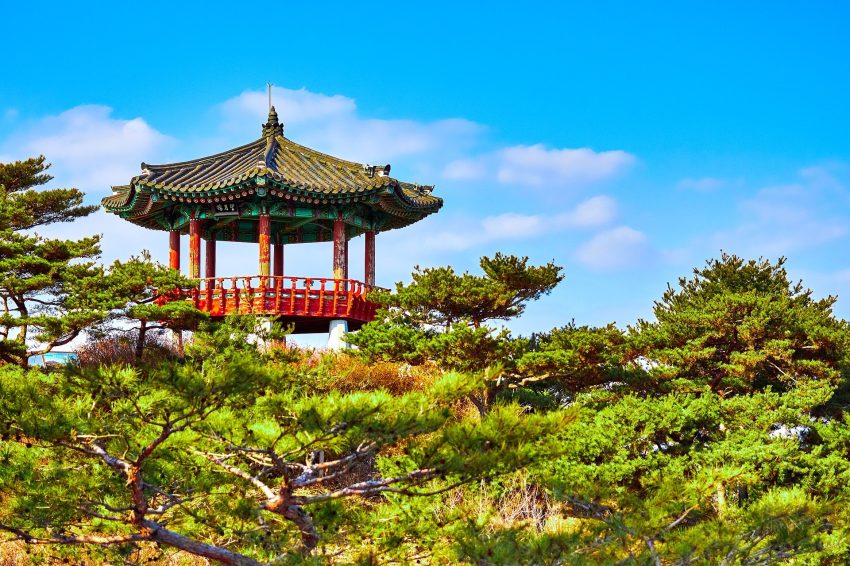
South Korea, officially the Republic of Korea, is a dynamic country on the southern half of the Korean Peninsula in East Asia. Bordered by the sea on three sides and closely connected to major regional neighbors, it combines dense, modern cities with mountains, forests, and a long coastline. Its capital, Seoul, is one of the world’s largest metropolitan areas and a central hub for business, culture, and technology.
Known for its global influence in entertainment and innovation, South Korea has become a leader in industries such as electronics, automotive manufacturing, shipbuilding, and digital services. Everyday life is shaped by fast, reliable infrastructure-high-speed internet, efficient public transportation, and a strong café and nightlife culture-alongside a deep appreciation for food, design, and trends that often travel far beyond its borders.
At the same time, South Korea offers rich cultural experiences rooted in tradition, from distinctive cuisine like kimchi, barbecue, and street foods to seasonal festivals and scenic temples. Visitors can explore everything from bustling markets and contemporary art districts to quiet coastal towns and hiking trails in national parks. Whether you’re interested in city energy, natural landscapes, or modern pop culture, South Korea offers a wide range of experiences in a relatively compact and easy-to-navigate country.
History of South Korea
South Korea’s history is shaped by long-standing Korean state traditions, periods of foreign invasion and colonial rule, national division after World War II, rapid industrialization, authoritarian politics, democratization, and its emergence as a major global economy and cultural force.
Early Korean states to Unified Silla (ancient–10th century)
Korean civilization developed through early kingdoms and confederacies, most prominently Goguryeo, Baekje, and Silla (the “Three Kingdoms”), alongside the Gaya confederacy. These polities competed and allied with neighboring powers, including Chinese dynasties and, later, Japan. In the 7th century, Silla—aligned with Tang China—defeated Baekje and Goguryeo and established a period often called Unified Silla, while the northern successor state Balhae rose in former Goguryeo territories. This era saw advances in Buddhism, state administration, and culture.
Goryeo (918–1392)
The Goryeo dynasty reunified much of the peninsula and gave Korea its English name. Buddhism flourished, and the state developed sophisticated institutions and artistry, including renowned celadon ceramics. Goryeo faced major external pressures, notably Khitan and Jurchen incursions and, in the 13th century, Mongol invasions that led to prolonged conflict and eventual subordination to the Mongol Empire. Despite turmoil, Goryeo maintained a distinct identity and administrative continuity.
Joseon (1392–1910)
Joseon replaced Goryeo and built a durable Confucian state with a strong civil bureaucracy, social hierarchy, and emphasis on education. A defining cultural achievement was the creation of Hangul in the 15th century, which expanded literacy over time. Joseon endured severe shocks, including Japanese invasions in the late 16th century and later Manchu invasions in the 17th century, after which it navigated a complex regional order. In the 19th century, internal strain, reform pressures, and foreign encroachment intensified as global powers sought influence in East Asia.
Japanese colonial rule (1910–1945)
Japan formally annexed Korea in 1910. Colonial rule brought industrial development geared to imperial needs, extensive infrastructure, and harsh political repression. Koreans experienced cultural suppression and economic exploitation, while a nationalist movement grew at home and abroad. The March 1st Movement of 1919 became a major symbol of resistance, and independence activists organized in exile and underground. The colonial period left deep social and political scars and shaped post-1945 divisions and ideologies.
Liberation, division, and the Korean War (1945–1953)
After Japan’s defeat in 1945, Korea was liberated but quickly divided into Soviet- and U.S.-occupied zones along the 38th parallel. Separate governments emerged in 1948: the Republic of Korea (South Korea) in the south and the Democratic People’s Republic of Korea (North Korea) in the north. Tensions escalated into the Korean War (1950–1953), a devastating conflict involving major international forces. The war ended with an armistice, not a peace treaty, leaving the peninsula divided and heavily militarized.
Authoritarian development and rapid industrialization (1950s–1987)
Postwar South Korea faced poverty and political instability. After the fall of the First Republic, a military coup in 1961 brought Park Chung Hee to power. His government pursued export-led industrialization, state-led planning, and close coordination with large business groups, transforming the economy but restricting political freedoms. Following Park’s assassination in 1979, another military-led period culminated in the rise of Chun Doo-hwan, marked by severe repression and the 1980 Gwangju uprising, which became a lasting symbol of the pro-democracy struggle.
Democratization and consolidation (1987–2000s)
Mass protests in 1987 forced constitutional reforms and direct presidential elections, initiating a democratic era. South Korea expanded civil liberties, strengthened institutions, and experienced peaceful transfers of power. The country also faced major challenges, including the 1997 Asian financial crisis, which led to restructuring, labor-market changes, and reforms in finance and corporate governance. Despite setbacks, South Korea continued to modernize and deepen its democratic practices.
Contemporary South Korea (2000s–present)
In the 21st century, South Korea has become a high-income democracy with global influence in technology, manufacturing, and popular culture. Relations with North Korea have alternated between engagement and confrontation amid nuclear and missile crises, periodic summits, and ongoing security tensions. Domestically, politics has been competitive and sometimes polarized, with major public mobilizations shaping outcomes. South Korea also faces long-term issues such as low birth rates, rapid aging, housing pressures, inequality concerns, and the need to adapt its economy to new technological and geopolitical realities.
Best Time to Visit South Korea
Visiting South Korea in Spring
Spring (roughly March to May) is one of the most popular times to visit South Korea thanks to mild temperatures and clear days. It’s ideal for city sightseeing in Seoul and Busan, day trips to historic sites, and outdoor walks without the humidity of summer. Festival highlights often include cherry blossom festivals (commonly late March to early April, varying by region) and spring flower events in parks and along rivers.
Visiting South Korea in Summer
Summer (June to August) is hot, humid, and lively, with a mix of beach weather and seasonal rain—especially during the monsoon period (typically late June to July). It’s a good time for coastal trips to places like Busan, Gangneung, and Jeju, plus late-night markets and festivals. Festival highlights can include major summer events such as the Boryeong Mud Festival (usually July) and a range of local beach and music festivals.
Visiting South Korea in Autumn (Best)
Autumn (September to November) is widely considered the best season to visit South Korea for comfortable temperatures, lower humidity, and vibrant fall foliage. It’s excellent for hiking in national parks, temple visits, and scenic drives, with crisp days that suit both city and countryside travel. Festival highlights often include Chuseok (Korean harvest holiday, dates vary), plus autumn foliage and cultural festivals across the country.
Visiting South Korea in Winter
Winter (December to February) is cold and dry, with snow more likely in northern and mountainous areas. It’s a great season for skiing and snow activities, winter street food, and fewer crowds at major attractions (outside holiday periods). Festival highlights can include the Hwacheon Sancheoneo Ice Festival (typically January) and other regional snow and ice festivals, along with winter illuminations in many cities.
Food and Drink from South Korea
South Korean food is built around balance, seasonality, and shared eating. A typical meal isn’t centered on a single main dish so much as a spread: rice, soup or stew, and several banchan (small side dishes) meant to be mixed and matched. Flavors often combine savory, spicy, tangy, and lightly sweet notes, with staples like garlic, scallions, sesame oil, soy sauce, and gochujang (red chili paste) shaping many dishes. Fermentation is a defining technique, giving Korean cuisine its depth and preserving ingredients through long winters.
Kimchi is the most iconic fermented food, usually made from napa cabbage or radish seasoned with chili flakes, garlic, ginger, and salted seafood, then aged to develop a sharp, complex bite. Beyond kimchi, everyday comfort foods include doenjang-jjigae (soybean paste stew), kimchi-jjigae, and sundubu-jjigae (soft tofu stew), often bubbling at the table. Popular dishes like bibimbap mix rice with vegetables, egg, and gochujang, while bulgogi and galbi showcase marinated meats grilled or pan-cooked for a sweet-savory finish. Street foods add another layer, with tteokbokki (spicy rice cakes), hotteok (filled pancakes), and gimbap (seaweed rice rolls) commonly enjoyed on the go.
Korean barbecue is as much a social ritual as it is a meal, with diners grilling pork belly (samgyeopsal), marinated beef, or other cuts at the table and wrapping bites in lettuce with ssamjang (a savory dipping paste), garlic, and peppers. Noodles are also central, from chewy japchae (stir-fried glass noodles) to cold buckwheat naengmyeon served in a tangy broth or spicy sauce, especially refreshing in summer. Seafood features prominently along the coasts, including grilled fish, salted and fermented seafood, and hearty soups, while regional specialties reflect local climates and ingredients.
South Korea’s drinks range from everyday staples to celebratory pours. Soju, a clear spirit, is the most common accompaniment to meals and gatherings, often shared with etiquette-driven pouring and toasts, while makgeolli is a lightly sparkling rice wine with a creamy texture and gentle sweetness. Beer is widely popular too, frequently paired with fried chicken in the classic “chimaek” combo, and modern bars often mix soju into cocktails. Non-alcoholic favorites include roasted barley tea (boricha), sweet rice drink (sikhye), cinnamon punch (sujeonggwa), and a vibrant café culture that embraces everything from strong espresso drinks to inventive desserts and seasonal beverages.