Solomon Islands: The Ultimate Travel Guide 2026
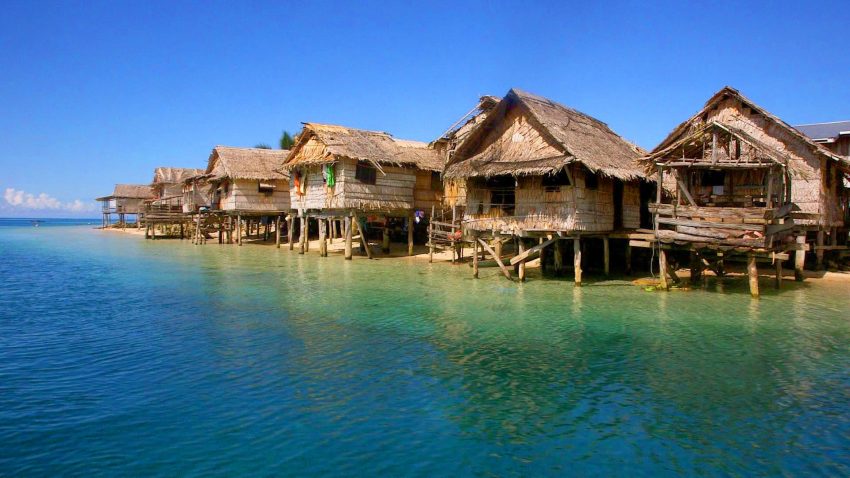
The Solomon Islands is a tropical nation in the South Pacific, made up of hundreds of islands scattered across warm, turquoise seas. Known for its lush rainforests, coral reefs, and white-sand beaches, the country offers a striking mix of rugged mountains, quiet lagoons, and vibrant marine life. Its capital, Honiara, sits on the island of Guadalcanal and serves as the main hub for government, commerce, and travel connections.
Life in the Solomon Islands is shaped by the ocean and the land, with many communities living in coastal villages and relying on fishing, gardening, and local trade. The country is culturally diverse, with many languages spoken and strong traditions expressed through music, dance, storytelling, and intricate crafts. Visitors often notice the warmth of local hospitality and the close-knit nature of village life, where community ties and customary practices remain important.
For travelers, the Solomon Islands is best known for its natural beauty and opportunities for outdoor adventure. Snorkeling and diving reveal colorful reefs and abundant sea life, while hiking and boat trips lead to waterfalls, forest trails, and remote islands. Whether you’re looking for quiet escapes, cultural experiences, or ocean-based activities, the Solomon Islands offers a relaxed pace and a strong sense of place.
Table of Contents
- History of Solomon Islands
- Before European contact
- Spanish and early European encounters
- “Blackbirding,” missions, and rising colonial interest
- British Protectorate and partition
- World War II and the Guadalcanal campaign
- Postwar change and the Maasina Ruru movement
- Self-government and independence
- Nation-building and economic pressures
- “The Tensions” and regional intervention
- Recovery, reforms, and ongoing challenges
- Recent years
- Best Time to Visit Solomon Islands
- Food and Drink from Solomon Islands
History of Solomon Islands
The Solomon Islands’ history spans deep Indigenous settlement, centuries of regional trade and migration, European contact, colonial rule, war, decolonization, and ongoing nation-building across a highly diverse archipelago.
Before European contact (c. 30,000 BCE–1500s)
People reached the islands tens of thousands of years ago, with later waves of Austronesian-speaking settlers arriving millennia afterward. Over time, communities developed distinct languages and identities—today reflected in one of the world’s highest concentrations of languages in a small population. Life centered on gardening, fishing, inter-island exchange, and complex social systems tied to land and sea tenure, kinship, and leadership that varied by island and region. Long-distance connections linked parts of the Solomons to wider Melanesian networks, including trade in shell valuables, obsidian, pottery traditions in earlier periods, and later regional exchanges of tools, foods, and ceremonial items.
Spanish and early European encounters (1568–1800s)
In 1568, Spanish explorer Álvaro de Mendaña led the first recorded European expedition to the islands, naming them in ways that fed European myths of wealth. Subsequent European visits were sporadic for centuries, constrained by distance, navigation hazards, and limited immediate commercial incentive. From the late 1700s into the 1800s, whalers, traders, and missionaries arrived more frequently. These contacts brought new goods and ideas but also disease and violence, and they began reshaping local power dynamics in uneven ways across the archipelago.
“Blackbirding,” missions, and rising colonial interest (mid-1800s–1890s)
From the mid-19th century, many Solomon Islanders were recruited or coerced into labor—especially for plantations in Queensland and Fiji—in a practice widely known as “blackbirding.” The experience had lasting effects: population loss in some areas, new forms of mobility and cash economy exposure, and returning laborers who brought back languages, Christianity, and new expectations. Christian missions expanded, sometimes mediating conflict and sometimes intensifying local rivalries as communities aligned with different denominations. As European powers competed in the Pacific, Britain and Germany increased their involvement, and commercial plantation interests grew.
British Protectorate and partition (1893–1942)
Britain declared the British Solomon Islands Protectorate in 1893, initially over the southern islands, later extending administration northward. Germany controlled parts of the northern Solomons until the early 20th century; after World War I, those German-held areas were transferred to Australian administration as part of the Territory of New Guinea (these later became part of Papua New Guinea, including Bougainville). Under British rule, governance expanded gradually through district administration, policing, and indirect engagement with local leadership. The colonial economy emphasized copra and other plantation products, relying on local labor and imported systems of taxation and regulation. Colonial boundaries and administrative practices often cut across existing cultural and political landscapes, setting patterns that continued into the postcolonial era.
World War II and the Guadalcanal campaign (1942–1945)
The Solomon Islands became a major World War II battleground, especially on Guadalcanal, where intense fighting between Allied and Japanese forces marked a turning point in the Pacific War. The conflict brought massive military infrastructure, displacement, and destruction, but also new opportunities and experiences for Solomon Islanders who served as scouts, laborers, and coastwatcher support—most famously the “Solomon Islanders” who aided Allied operations in difficult terrain and seas. Wartime exposure accelerated political awareness and expectations for change.
Postwar change and the Maasina Ruru movement (1945–1960s)
After the war, many Solomon Islanders pushed back against colonial controls and economic arrangements. A major expression of this was the Maasina Ruru (also known as the Marching Rule) movement, particularly strong on Malaita, which demanded greater self-government, fairer economic treatment, and respect for local authority. Though colonial authorities suppressed aspects of the movement, it helped catalyze political organization and a broader independence trajectory.
Self-government and independence (1970s–1978)
Constitutional development accelerated in the 1970s, with steps toward internal self-government and the creation of national political institutions. The Solomon Islands achieved independence in 1978, becoming a sovereign state within the Commonwealth. The new nation inherited the challenges of governing a geographically dispersed archipelago with significant linguistic and cultural diversity, limited infrastructure, and an economy dependent on a narrow range of exports.
Nation-building and economic pressures (1980s–1990s)
Post-independence governments worked to expand education, health services, and transport while managing fiscal constraints and regional disparities. Logging expanded dramatically and became a central economic driver, but it also generated controversy over land rights, environmental damage, revenue distribution, and corruption allegations. Honiara grew as the administrative and economic hub, drawing internal migration that sometimes heightened tensions over jobs, land access, and political influence.
“The Tensions” and regional intervention (1998–2003)
From the late 1990s, conflict escalated—often referred to as “the Tensions”—involving militias, intercommunal violence, and political instability, particularly linked to disputes between groups from Guadalcanal and Malaita amid rapid urbanization and contested land and employment issues. State capacity weakened, public finances deteriorated, and law and order broke down in parts of the country. In 2003, the Regional Assistance Mission to Solomon Islands (RAMSI), led by Pacific partners, deployed to restore security, support governance, and stabilize finances. Weapons were collected, key institutions rebuilt, and policing and justice systems strengthened.
Recovery, reforms, and ongoing challenges (2004–2010s)
The post-conflict period saw improvements in stability and public administration, alongside continued debates about land, resource governance, and equitable development. Civil unrest flared at times, including riots in Honiara in 2006, reflecting persistent frustrations over political accountability and economic opportunity. RAMSI’s role gradually shifted from security to capacity-building before it concluded in 2017, leaving Solomon Islands institutions more functional but still facing structural constraints.
Recent years (2020s–present)
In the 2020s, Solomon Islands has navigated the compounded pressures of climate vulnerability, economic dependence on natural resources, and political contestation. Honiara experienced significant unrest in 2021, underscoring unresolved issues around governance, provincial relations, and national cohesion. The country has also drawn heightened international attention amid shifting regional geopolitics and debates over security and development partnerships. Across these pressures, Solomon Islanders continue to balance local land and community priorities with national policy, urban growth, and the demands of a changing Pacific environment.
Best Time to Visit Solomon Islands
Visiting Solomon Islands in Summer (December–February)
Summer is the wetter, more humid time of year in Solomon Islands, with a higher chance of heavy showers and tropical storms. It can still be a rewarding period if you’re prioritizing lush landscapes, fewer crowds, and don’t mind planning around rain. Diving and snorkeling are possible year-round, but visibility can be more variable after downpours.
Visiting Solomon Islands in Autumn (March–May) (Best)
Autumn is often the sweet spot in Solomon Islands: rainfall generally eases from the wet season, humidity starts to drop, and seas are commonly calmer. This makes it a strong all-round time for island-hopping, lagoon cruising, snorkeling, and diving—often with better visibility and more consistently pleasant conditions than mid-year.
Visiting Solomon Islands in Winter (June–August)
Winter is typically the driest, coolest-feeling period in Solomon Islands, with lower humidity and more comfortable daytime temperatures. It’s a great time for hiking, village visits, and outdoor activities, and it’s popular for diving and snorkeling thanks to more stable weather. Because it’s a peak period, booking accommodation and domestic flights earlier is a good idea.
Visiting Solomon Islands in Spring (September–November)
Spring is a shoulder season in Solomon Islands, often bringing a mix of dry, sunny days with a gradual build-up in heat and humidity as the wet season approaches. It can be an excellent time for travelers who want good weather with fewer peak-season crowds. If you’re interested in cultural highlights, keep an eye out for local events and provincial festivals that may be scheduled during this period, as dates can vary year to year.
Food and Drink from Solomon Islands
Food and drink in the Solomon Islands are shaped by the sea, tropical gardens, and a strong culture of sharing. Many meals center on what families can catch, harvest, or gather locally—fish and shellfish from reefs and lagoons, root crops from small gardens, and leafy greens and fruits from nearby trees. Cooking is often simple and practical, designed to feed extended families and guests, with freshness and seasonality guiding what appears on the table.
Staple foods commonly include root crops such as sweet potato, taro, cassava, and yam, alongside cooking bananas and breadfruit when in season. These are typically boiled, steamed, or roasted and served with greens like slippery cabbage, fern tips, pumpkin leaves, or other island vegetables. Coconut is a key ingredient: grated coconut, coconut cream, and coconut milk are used to enrich sauces and soups, adding richness to otherwise straightforward dishes.
Seafood is central, especially in coastal communities, where reef fish, tuna, bonito, and shellfish are everyday favorites. Fish may be grilled over open flames, baked in banana leaves, simmered in coconut milk, or served with lime and chili for a bright, sharp flavor. Traditional earth-oven cooking—often called motu or similar local names depending on the island—uses hot stones and covered pits to slowly cook fish, pork, and root crops, producing smoky, tender results for gatherings and celebrations.
Drinks range from everyday refreshments to ceremonial and social beverages. Fresh coconut water is widely enjoyed, and people also drink tea, instant coffee, and fruit-based drinks made from local produce like pineapple, pawpaw, and citrus. Kava is an important traditional drink in many parts of the Solomons, prepared from pounded or ground root mixed with water and shared in social settings; it is valued for its calming effect and the way it brings people together. In towns, soft drinks and commercially produced beverages are common, but local flavors and home-prepared drinks remain a strong part of daily life.