Singapore: The Ultimate Travel Guide 2026
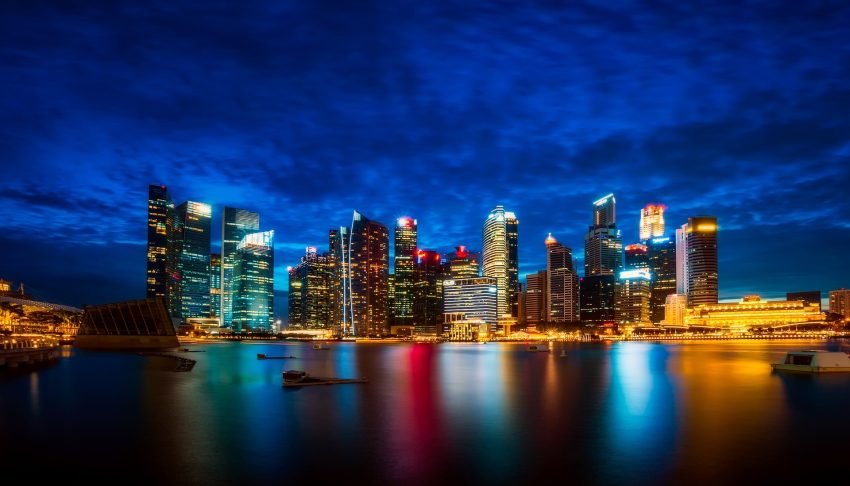
Singapore is a compact, modern city-state in Southeast Asia known for its striking skyline, efficient infrastructure, and high standard of living. Despite its small size, it has an outsized presence as a global hub for finance, trade, technology, and aviation, connecting Asia with the rest of the world through one of the region’s busiest ports and airports. The city’s clean streets, reliable public transport, and well-planned neighborhoods make it easy to navigate and enjoyable to explore.
One of Singapore’s defining features is its multicultural character, shaped by a mix of Chinese, Malay, Indian, and many other communities. This diversity is reflected in everyday life-from the languages you hear on the MRT to the festivals celebrated across the calendar. It also shines through in the food scene, where hawker centres sit alongside fine dining, offering everything from local favourites like chicken rice and laksa to international cuisines.
Nature and urban life blend closely here, with lush parks, waterfront promenades, and green architecture woven into the cityscape. Visitors can move from shopping districts and museums to gardens, beaches, and wildlife attractions within a short ride. Whether you’re visiting for business, a stopover, or a longer stay, Singapore offers a polished, welcoming experience with plenty to see, taste, and do.
History of Singapore
Singapore’s history is shaped by its position on key sea routes, its role as a trading port, and repeated shifts in regional and global power. From early settlements linked to Malay and wider Asian maritime networks, it became a British colonial entrepôt, endured Japanese occupation during World War II, and then moved through self-government, merger with Malaysia, and separation into an independent republic that rapidly industrialized and built a modern state.
Early settlements and regional trade (before 1819)
Long before modern Singapore, the island sat within the orbit of Southeast Asian maritime trade connecting China, India, and the Malay Archipelago. Archaeological finds and historical references suggest a trading settlement existed by at least the 13th–14th centuries, sometimes associated with the name “Temasek.” The island’s fortunes rose and fell with regional powers based around the Straits of Malacca and the South China Sea, including Malay polities and later the influence of the Melaka Sultanate and the Johor-Riau sphere. Over time, the settlement declined in prominence, affected by shifting trade routes, competition among ports, and regional conflict.
British founding and the growth of a port (1819–1867)
In 1819, Stamford Raffles of the British East India Company established a trading post on the island, seeking a strategic foothold to counter Dutch influence and to secure a free port along major shipping lanes. Singapore’s status as a free port attracted merchants from across Asia and beyond—Chinese, Malay, Indian, Arab, and European traders—accelerating population growth and commercial activity.
The British built administrative structures and urban plans, while the economy expanded through shipping, warehousing, and regional trade in commodities. Large-scale migration, especially from China and India, transformed the island’s demography and labor force. At the same time, colonial society was stratified, and social problems emerged, including overcrowding, disease, and secret society violence, which the authorities sought to control through policing and regulation.
Crown Colony and imperial hub (1867–1942)
In 1867, Singapore became a Crown Colony under the Straits Settlements, administered directly by Britain. Its importance grew with the opening of the Suez Canal in 1869, which shortened travel between Europe and Asia and helped make Singapore a major coaling and shipping center. The port expanded, and the island became a key node in global trade and finance.
The early 20th century saw rising political awareness and labor organization, influenced by global anti-colonial currents and events in China and India. Britain also invested in Singapore’s defenses, culminating in the large naval base, reflecting the island’s strategic value—though these defenses later proved inadequate against a landward assault.
Japanese occupation (1942–1945)
In February 1942, Japanese forces captured Singapore after a rapid campaign down the Malay Peninsula. The fall of Singapore was a major shock to British prestige in Asia. During the occupation, the population faced severe hardship: shortages of food and medicine, inflation, forced labor, and harsh security measures. Many civilians were killed, and fear and trauma marked daily life.
The occupation profoundly altered political attitudes. It weakened confidence in colonial rule and intensified demands for self-determination after the war.
Postwar recovery and the road to self-government (1945–1959)
After Japan’s surrender, the British returned to a society strained by wartime devastation and economic disruption. Political mobilization increased, with new parties, unions, and civic groups pressing for reforms. The period was also shaped by the Malayan Emergency, a conflict against communist insurgents that influenced security policies and political alignments.
Constitutional changes gradually expanded local participation. By 1959, Singapore achieved internal self-government, with a locally elected administration taking charge of most domestic affairs while Britain retained control over defense and foreign relations.
Merger and separation (1963–1965)
In 1963, Singapore joined the Federation of Malaysia, alongside Malaya, Sabah, and Sarawak. The merger was driven by economic and security considerations, including concerns about communism and the need for a larger common market. However, political and communal tensions emerged, including disputes over economic policy, federal-state relations, and the role of ethnicity in politics. The period saw serious unrest, including racial riots.
In August 1965, Singapore separated from Malaysia and became an independent republic. Independence brought urgent challenges: limited natural resources, unemployment, housing shortages, and vulnerability as a small state in a turbulent region.
Nation-building and rapid development (1965–1980s)
After independence, Singapore’s leadership focused on survival through economic modernization, attracting foreign investment, expanding manufacturing, and building infrastructure. The government pursued industrialization, developed a strong civil service, and emphasized social stability. Large public housing programs reshaped living conditions, while education and skills training were expanded to support a more productive workforce.
Singapore also built robust institutions for defense and diplomacy, including national service and an outward-looking foreign policy aimed at securing trade, investment, and regional stability. Over time, the economy diversified beyond basic manufacturing into higher-value industries.
Global city and economic transformation (1990s–2000s)
From the 1990s onward, Singapore deepened its role as a global hub for finance, logistics, and advanced manufacturing, while developing sectors such as biotechnology, electronics, and professional services. Major investments in transport, port facilities, and aviation strengthened its connectivity. The city also expanded its cultural and recreational offerings and positioned itself as a center for conferences, tourism, and education.
Governance evolved with gradual political and social changes, including debates over civil liberties, immigration, inequality, and the balance between state direction and individual freedoms. The economy’s success brought higher living standards, alongside new pressures such as cost of living and competition for jobs.
Recent decades (2010s–present)
In the 2010s and 2020s, Singapore faced challenges typical of advanced, highly connected economies: an aging population, productivity constraints, and the need to move further into innovation-driven growth. It also navigated shifting geopolitics and trade tensions, seeking to remain open while managing strategic risks.
The COVID-19 pandemic tested public health systems, social resilience, and economic policy, prompting significant state intervention and adaptation. In its aftermath, Singapore continued to recalibrate policies on healthcare, housing, labor, and immigration, while pursuing digitalization and sustainability goals to maintain competitiveness and social cohesion.
Best Time to Visit Singapore
Visiting Singapore in Spring
Spring is a great time to visit Singapore if you want warm weather with fewer peak-holiday crowds. Expect plenty of sunshine with occasional showers, making it ideal for gardens, rooftop bars, and evening attractions like Marina Bay. Festival highlight: Hari Raya Aidilfitri (dates vary) can fall around this period, bringing festive bazaars, light displays in Geylang Serai, and a lively celebratory atmosphere.
Visiting Singapore in Summer (Best)
Summer is often the best season to visit Singapore for big events, vibrant city energy, and a packed entertainment calendar. It’s hot and humid, but the city is well set up for it—mix outdoor sightseeing with air-conditioned museums, malls, and attractions. Festival highlights: The Great Singapore Sale (typically mid-year) is a major draw for shoppers, and the Singapore Food Festival (often around this season) is a standout for local flavors, pop-ups, and tastings.
Visiting Singapore in Autumn
Autumn is a strong choice if you prefer a slightly calmer pace while still enjoying consistently warm temperatures. Rain can be more frequent at times, so it’s a good season for a flexible itinerary that balances indoor and outdoor plans. Festival highlights: Mid-Autumn Festival brings lantern displays and seasonal treats like mooncakes, while Deepavali lights up Little India with decorations, markets, and cultural celebrations (dates vary).
Visiting Singapore in Winter
Winter is popular for travel because it lines up with year-end holidays and festive city decorations. It’s still warm compared to temperate winters, though rainfall can be higher during the monsoon period—plan for short downpours and enjoy the city’s excellent indoor options. Festival highlights: Christmas light-ups (especially along Orchard Road) are a major seasonal feature, and Chinese New Year (late Jan or Feb) is a top highlight with Chinatown festivities, markets, and performances.
Food and Drink from Singapore
Singapore’s food and drink culture is shaped by its multicultural roots, blending Chinese, Malay, Indian, and Peranakan influences into a vibrant everyday cuisine. Much of the best eating happens in hawker centres, where many small stalls specialise in a few dishes done well, served quickly and affordably. Meals often reflect the city’s mix of traditions—noodles, rice, grilled meats, curries, and seafood—alongside a strong emphasis on bold flavours like chilli, garlic, ginger, lemongrass, and fermented sauces.
Among the most iconic dishes is Hainanese chicken rice, featuring poached or roasted chicken with fragrant rice cooked in chicken fat and aromatics, plus chilli sauce and ginger. Laksa is another favourite: a spicy, coconut-based noodle soup with seafood or chicken, often topped with herbs and sambal. Char kway teow—stir-fried flat rice noodles with egg, Chinese sausage, prawns, and bean sprouts—shows off the smoky “wok hei” prized in local cooking, while rojak mixes fruit and fritters in a sweet-savoury shrimp paste dressing with crushed peanuts.
Indian and Malay staples are equally central to the national palate. Nasi lemak pairs coconut rice with sambal, fried anchovies, peanuts, egg, and often chicken or fish, while satay offers skewered, grilled meats served with peanut sauce and ketupat rice cakes. South Indian options like thosai (dosa) and prata (flaky flatbread) are commonly eaten with curry or dhal, and biryani and murtabak are popular hearty choices. Peranakan cuisine adds its own richness with dishes like ayam buah keluak and kueh, reflecting a distinctive blend of Chinese techniques and Malay spices.
Drinks in Singapore range from traditional kopi and teh—often ordered with specific local terms for sweetness and milk—to cooling favourites like barley water, sugarcane juice, and bandung (rose syrup with milk). Kaya toast with soft-boiled eggs and coffee is a classic breakfast set, enjoyed in kopitiams as much as in modern cafés. Alongside heritage flavours, Singapore also has a lively contemporary dining scene, where chefs reinterpret hawker classics and regional dishes, keeping the city’s food culture both rooted and constantly evolving.