Sierra Leone: The Ultimate Travel Guide 2026
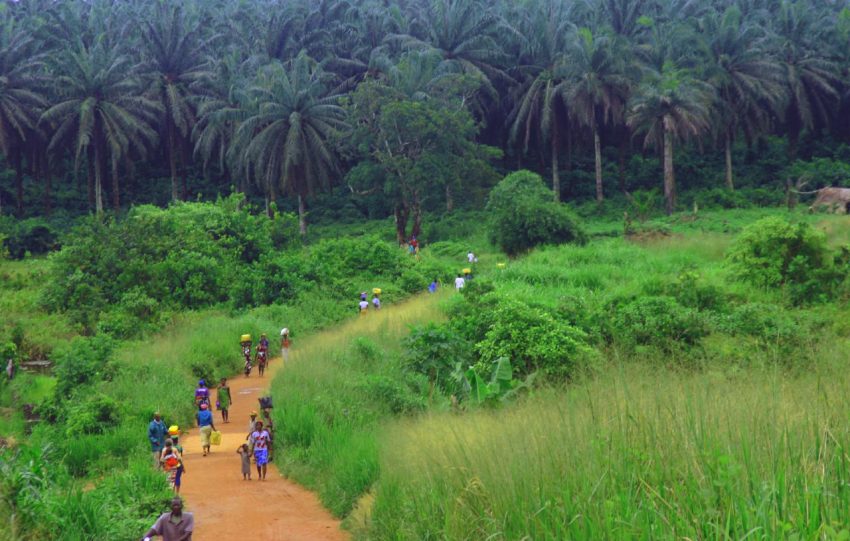
Sierra Leone is a coastal country in West Africa, bordered by Guinea to the north and east and Liberia to the southeast, with the Atlantic Ocean along its western shoreline. Its landscape ranges from sandy beaches and mangrove-lined estuaries to forested hills and inland plains, with the Freetown Peninsula offering some of the country’s most striking scenery. The climate is tropical, with a distinct rainy season and a drier period that shapes daily life, travel, and agriculture.
The capital, Freetown, is the country’s main hub for government, business, and culture, and its port connects Sierra Leone to regional and international trade. Beyond the capital, towns and rural communities are closely tied to farming, fishing, and small-scale commerce, with local markets playing a central role in everyday life. Krio is widely used as a lingua franca, alongside English as the official language and many other local languages that reflect the country’s diversity.
Sierra Leone is known for its warmth and hospitality, vibrant music and dance traditions, and a strong sense of community. Visitors often come for the coastline, nearby islands, wildlife-rich reserves, and opportunities to experience local food and festivals. With a growing focus on development and tourism, Sierra Leone offers a blend of natural beauty and cultural richness that feels both welcoming and distinctive.
History of Sierra Leone
Sierra Leone’s history is shaped by long-standing Indigenous societies, Atlantic commerce and enslavement, the creation of a settlement for freed Africans, British colonial rule, post-independence politics, a devastating civil war, and a continuing effort to consolidate peace and development.
Before European contact (to the 1400s)
The region that is now Sierra Leone was home to diverse peoples and political systems, including Temne, Mende, Limba, Loko, Sherbro, Krio’s ancestral groups, and others. Communities organized through chieftaincies and larger polities, with economies based on farming, fishing, trade, and specialized crafts. Inland and coastal trade networks linked the area to wider West African commerce long before sustained European involvement.
Early European contact and Atlantic trade (1400s–1700s)
Portuguese navigators reached the coast in the 15th century and named features along it, including the mountainous peninsula near today’s Freetown. Over time, other European powers joined coastal trade. Commerce included gold, ivory, and other goods, but the transatlantic slave trade became dominant. Coastal and riverine access made the area a significant node in Atlantic trafficking, with profound social disruption, warfare incentives, and demographic loss.
The founding of Freetown and the rise of the Krio (late 1700s–1800s)
In the late 18th century, British abolitionist and philanthropic efforts helped establish a settlement for freed and liberated Africans on the Sierra Leone Peninsula. Freetown became a focal point for formerly enslaved people from different parts of the Atlantic world, including Black Loyalists from North America, Jamaican Maroons, and “recaptives” liberated from illegal slave ships after Britain outlawed the trade.
Out of these communities emerged the Krio people and Krio language, blending African and Atlantic influences. Freetown developed into a major center of education, Christianity, print culture, and commerce in West Africa, with institutions that trained clergy, teachers, and professionals who circulated across the region.
British colonial rule (1808–1961)
Britain made Freetown a Crown Colony in 1808. Over the 19th century, British influence expanded beyond the peninsula, and in 1896 the interior was declared a Protectorate. Colonial administration relied heavily on indirect rule through chiefs in the Protectorate, while the Colony (centered on Freetown) had different political and legal arrangements. These dual systems contributed to enduring tensions over representation, land, and power.
Resistance to colonial policies occurred, including major uprisings in the late 1890s linked to taxation and governance. In the 20th century, Sierra Leone’s economy became increasingly tied to exports such as diamonds, rutile, bauxite, and agricultural products. Diamonds, discovered in the 1930s, would later play an outsized role in politics, corruption, and conflict.
Independence and early postcolonial politics (1961–1990)
Sierra Leone gained independence in 1961. The early years were marked by competitive party politics and struggles over regional and ethnic coalitions. Over time, governance became more centralized and authoritarian, culminating in a one-party state under the All People’s Congress (APC) in the late 1970s.
Economic decline, patronage politics, and corruption weakened state institutions. Control of diamond wealth became a central political prize, while smuggling and informal networks eroded public revenue. By the late 1980s, austerity, unemployment, and dissatisfaction with governance created fertile ground for instability.
Civil war (1991–2002)
In 1991, the Revolutionary United Front (RUF) launched an insurgency that escalated into a brutal civil war. The conflict was fueled by weak state capacity, grievances, regional dynamics, and the struggle for control of diamond areas. Widespread atrocities were committed, including massacres, amputations, sexual violence, and the forced recruitment of children.
The 1990s saw coups and shifting alliances, including periods of military rule and contested civilian authority. Regional forces and international actors intervened at different points, and peace efforts repeatedly collapsed before gaining traction. A decisive turn came with stronger international involvement and disarmament efforts, leading to the formal end of the war in 2002.
Postwar reconstruction and accountability (2002–2013)
After the war, Sierra Leone undertook disarmament, demobilization, and reintegration programs, rebuilt state institutions, and held multiple elections. Two major mechanisms addressed wartime abuses: a Truth and Reconciliation process to document causes and experiences of the conflict, and a special court to prosecute those bearing the greatest responsibility for serious crimes.
Despite improvements in security and political competition, challenges persisted: youth unemployment, corruption, uneven development, and the legacy of trauma and displacement.
Ebola and renewed strain (2014–2016)
The West African Ebola outbreak hit Sierra Leone hard, causing significant loss of life and disrupting the economy, education, and health services. The crisis exposed weaknesses in public health infrastructure but also led to new capacities in surveillance, community health engagement, and emergency response.
Recent developments (2017–present)
Sierra Leone has continued to alternate political power through elections, reflecting both democratic resilience and ongoing polarization. Governments have pursued reforms in governance, anti-corruption efforts, education, and economic management, while facing persistent constraints: debt pressures, commodity dependence, infrastructure gaps, and vulnerability to global shocks.
Today, Sierra Leone’s history remains visible in the cultural prominence of Freetown and the Krio legacy, the enduring role of chieftaincy and local authority, and the national commitment—hard-won after civil war and epidemic—to maintaining peace while pursuing inclusive development.
Best Time to Visit Sierra Leone
Visiting Sierra Leone in Winter (Best)
Winter is one of the best times to visit Sierra Leone because it falls in the dry season, bringing lower humidity, clearer skies, and easier travel on roads outside major cities. Beach time around the Freetown Peninsula and island trips (like Banana Islands) are typically at their most enjoyable, and wildlife viewing is often better with less dense vegetation.
Visiting Sierra Leone in Spring
Spring is generally a warm, dry-to-shoulder period in Sierra Leone, making it a good choice if you want fewer crowds while still enjoying plenty of sunshine. It’s a strong season for beach stays, hiking, and exploring Freetown and nearby coastal areas before wetter conditions become more frequent.
Visiting Sierra Leone in Summer
Summer is usually the heart of the rainy season in Sierra Leone, with heavier downpours and higher humidity. Travel can be slower, especially in rural areas where roads may become difficult, but the landscape is at its greenest and most dramatic. If you don’t mind rain and prefer a quieter, lower-demand period, summer can still be rewarding—especially for culture-focused trips in and around Freetown.
Visiting Sierra Leone in Autumn
Autumn is a transition period as rainfall begins to ease later in the season, and conditions gradually become better for moving around the country. It can be a good time to visit if you want a balance between lush scenery and improving weather, with beach days becoming more reliable as the dry season approaches. Festivals and public celebrations can be a highlight at certain times of year, so it’s worth checking local event calendars for Freetown and major towns before you go.
Food and Drink from Sierra Leone
Sierra Leone’s food reflects its coastal geography, fertile inland farms, and a long history of trade and migration. Rice is the everyday staple and is commonly served with richly seasoned “plasas” (leafy green stews) or soups made with fish, meat, or beans. Meals often balance heat, acidity, and savoriness, with ingredients like onions, peppers, tomatoes, ginger, and local spices building deep flavor. Along the coast and riverways, fresh fish and seafood are central, while inland communities rely more on poultry, goat, and smoked or dried fish for stews.
One of the most iconic dishes is cassava leaf stew, a hearty, dark-green sauce made from pounded cassava leaves simmered with palm oil, onions, and peppers, often enriched with smoked fish, beef, or chicken. Another beloved staple is groundnut (peanut) soup, creamy and filling, typically cooked with meat or fish and served over rice. Okra soup and potato leaf stew are also common, offering different textures—okra’s gentle thickness and potato leaves’ soft, earthy bite. These dishes are usually served family-style, with rice forming the base and the stew spooned generously on top.
Street food and snacks are an important part of daily life, especially in towns and markets. Fried plantains, roasted corn, and akara (bean fritters) are popular quick bites, alongside grilled or fried fish sold with pepper sauce. Cassava-based foods appear in many forms, from gari (granulated cassava) to fufu-like swallows paired with soup. Seasonal fruits such as mangoes, pineapples, oranges, and bananas are widely enjoyed, often eaten fresh and shared.
Drinks in Sierra Leone range from everyday refreshments to traditional beverages. Ginger beer—spicy, sweet, and served chilled—is widely loved, as are hibiscus-based drinks (often called bissap), which are tart and fragrant. Palm wine, tapped from palm trees, is a traditional drink in many communities and can be enjoyed fresh or slightly fermented. Tea is common as well, and in social settings drinks are often accompanied by small bites, conversation, and the easy hospitality that characterizes Sierra Leonean gatherings.