Seychelles: The Ultimate Travel Guide 2026
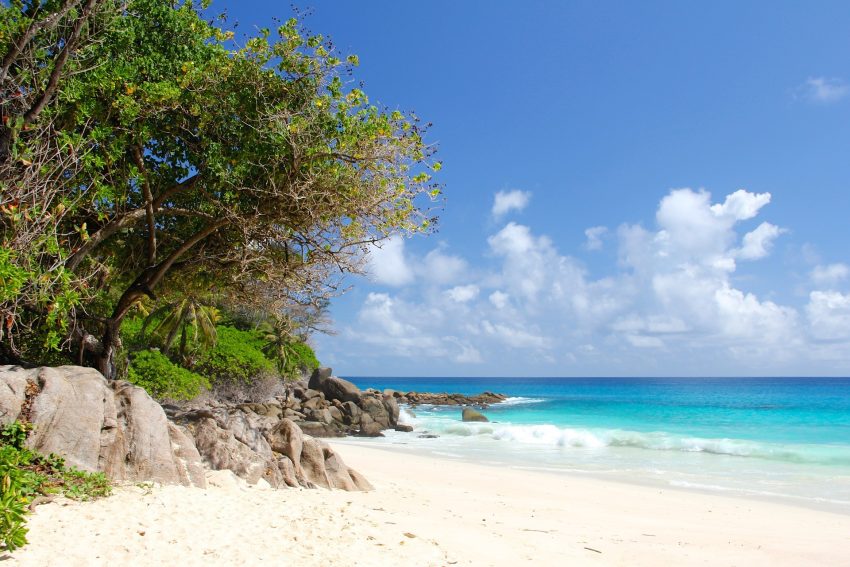
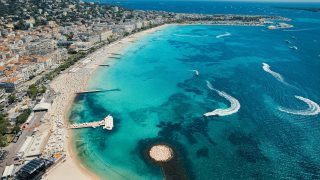
Seychelles is a breathtaking island nation in the Indian Ocean, known for its crystal-clear waters, powdery white-sand beaches, and dramatic granite boulders that frame many of its shorelines. Made up of 115 islands, it offers everything from lively coastal hubs to secluded coves, with a relaxed pace that makes it easy to slow down and soak in the scenery.
Nature is at the heart of the Seychelles experience. Lush tropical forests, coral reefs, and protected marine areas create a haven for wildlife and outdoor adventures, whether you’re snorkeling over vibrant lagoons, hiking to panoramic viewpoints, or spotting rare birds and giant tortoises. The islands’ warm climate and rich biodiversity make it a year-round destination for travelers who love the outdoors.
Beyond the landscapes, Seychelles has a distinctive island culture shaped by a blend of influences, reflected in its food, music, and everyday life. Creole flavors shine in local dishes featuring fresh seafood, spices, and tropical fruits, while markets and small towns offer a friendly, laid-back atmosphere. Whether you’re planning a romantic escape, a family holiday, or an active island-hopping trip, Seychelles delivers a mix of comfort, beauty, and easygoing charm.
Table of Contents
- History of Seychelles
- Before European settlement
- 1500s–1700s: European “discovery” and early claims
- 1790s–1810s: From French control to British rule
- 1800s: Slavery, emancipation, and a plantation economy
- 1900s–1960s: Separate colony and political awakening
- 1970s: Independence and a one-party state
- 1990s: Return to multiparty politics
- 2000s–present: Tourism-led growth, reforms, and political change
- Best Time to Visit Seychelles
- Food and Drink from Seychelles
History of Seychelles
Seychelles is an Indian Ocean archipelago whose history is shaped by late settlement, European imperial rivalry, plantation slavery, and a postcolonial path that moved from one-party socialism to multiparty democracy.
Before European settlement
Unlike many Indian Ocean islands, Seychelles had no known permanent indigenous population before Europeans arrived. Arab and Austronesian seafarers likely passed through the region, and the islands appeared on early maps, but there is no clear evidence of sustained precolonial settlement.
1500s–1700s: European “discovery” and early claims
Portuguese navigators reached the wider region in the early 1500s, and European maps gradually fixed the islands’ position. For much of this period, Seychelles remained uninhabited, visited mainly by sailors, pirates, and passing ships. France formally claimed the islands in the mid-1700s, naming them after a French finance official (Jean Moreau de Séchelles). French settlers began establishing small plantations, bringing enslaved Africans and also drawing on labor and skills from the broader Indian Ocean world.
1790s–1810s: From French control to British rule
During the French Revolutionary and Napoleonic era, Britain sought to control strategic points in the Indian Ocean. Seychelles capitulated to the British in 1794, though French settlers largely remained. The islands were formally ceded to Britain in 1814. Under British administration, plantation agriculture expanded, and society developed as a creole blend of African, European, and later Asian influences, with French language and culture remaining prominent despite British political control.
1800s: Slavery, emancipation, and a plantation economy
Seychelles’ economy relied on plantation crops (including coconuts for copra) and maritime trade. Enslaved Africans formed the core of the labor force until abolition. Britain ended slavery in its empire in the 1830s, and emancipation reshaped labor relations but did not immediately dismantle plantation dominance or inequality. Over time, the islands’ creole identity consolidated, with a mixed linguistic landscape (Seychellois Creole, French, and English) and a small, dispersed population.
1900s–1960s: Separate colony and political awakening
For much of the 19th and early 20th centuries, Seychelles was administered as a dependency of Mauritius. In 1903 it became a separate Crown Colony. The mid-20th century brought gradual constitutional change, expanding political participation and local representation. Political parties emerged, reflecting differing visions of decolonization, social policy, and alignment in the Cold War context.
1970s: Independence and a one-party state
Seychelles became independent in 1976. Soon after, in 1977, a coup brought France-Albert René to power. The new government pursued a socialist-oriented program and established a one-party state. This period saw major expansion of education, health services, and state-led development, alongside restrictions on political opposition and periods of tension, including attempted coups and security concerns tied to regional and international politics.
1990s: Return to multiparty politics
As global politics shifted at the end of the Cold War, Seychelles moved toward political liberalization. A new constitution in 1993 restored multiparty democracy and regular competitive elections, while the state retained a significant role in social policy and economic planning.
2000s–present: Tourism-led growth, reforms, and political change
In the 21st century, Seychelles’ economy has been driven largely by tourism and related services, alongside fishing and offshore activities. The country has also faced vulnerabilities typical of small island states: external shocks, debt pressures, and climate-related risks. Political competition intensified over time, culminating in a landmark opposition victory in 2020, widely seen as a significant democratic transition. Since then, Seychelles has continued balancing economic reform, environmental stewardship, and social protections within a multiparty system.
Best Time to Visit Seychelles
Visiting Seychelles in Winter (December–February)
Winter is a popular time to visit Seychelles for warm, beach-friendly weather and a lively holiday atmosphere. Expect higher humidity and occasional tropical showers, but also plenty of sunshine between bursts of rain. Seas can be a bit choppier at times, which may affect some boat trips, while snorkeling and lagoon time can still be excellent in sheltered areas.
Festivals and highlights:
- Christmas and New Year celebrations (especially vibrant on Mahé)
- Chinese New Year (dates vary; celebrations and special events may be visible in local communities)
Visiting Seychelles in Spring (March–May) (Best)
Spring is often the sweet spot in Seychelles: calmer seas, excellent underwater visibility, and generally settled conditions that suit both beach time and island-hopping. It’s a strong season for snorkeling and diving, and the overall pace feels relaxed before peak travel periods.
Festivals and highlights:
- Easter (dates vary; church services and local gatherings)
- May Day / Labour Day (1 May; local events and a festive feel)
Visiting Seychelles in Summer (June–August)
Summer brings the southeast trade winds, which can mean cooler evenings, lower humidity, and breezier days—great for hiking, sightseeing, and enjoying the coastline without intense heat. The wind can make some beaches rougher on certain sides of the islands, but it also creates excellent conditions for sailing, kitesurfing, and wind-based water sports.
Festivals and highlights:
- Seychelles National Day (18 June; ceremonies and cultural programming)
- Seychelles Ocean Festival (often around late July/early August; timing varies)
Visiting Seychelles in Autumn (September–November)
Autumn is another excellent window for Seychelles with warming temperatures, easing winds, and generally calm seas returning—ideal for swimming, snorkeling, diving, and boat excursions. It’s also a good time for nature-focused travelers, with lush landscapes and strong visibility in many areas.
Festivals and highlights:
- Creole Festival / Festival Kreol (typically October; one of the biggest cultural highlights with music, dance, food, and heritage events)
- Diwali (dates vary; observed within the local community)
Food and Drink from Seychelles
Seychellois food reflects the islands’ Creole heritage, shaped by African, French, Indian, and Chinese influences and grounded in what the ocean and tropical climate provide. Fresh fish is central to everyday cooking, often bought straight from the catch and prepared simply to let the flavour shine. Meals commonly feature rice as a staple, alongside lentils, breadfruit, cassava, or sweet potato, with bright, punchy seasonings that balance heat, acidity, and aromatics.
Seafood dishes are among the best-known highlights. Grilled or fried fish such as red snapper, tuna, or kingfish is frequently served with a squeeze of lime and a chilli kick, while octopus and squid appear in stews and curries. A popular preparation is octopus curry, where tender pieces are simmered with spices, onions, garlic, and coconut milk, creating a rich sauce that pairs well with rice. Fish soups and broths are also common, often flavoured with herbs and local spices.
Curries and chutneys are a defining part of the table, showing the strong Indian influence in island cooking. Coconut milk is widely used to mellow spices and add body, and many meals are accompanied by tangy condiments made from mango, papaya, or bilimbi, as well as chilli pastes that can be deceptively hot. Salads and sides often feature fresh local produce—cucumber, tomato, and greens—dressed with citrus and herbs to cut through richer dishes.
Seychelles’ drinks range from fresh and fruity to distinctly island-spirited. Fresh juices and smoothies made from pineapple, passion fruit, guava, and mango are easy to find, and coconut water is a refreshing staple in the heat. For something stronger, locally produced rum is a signature, enjoyed neat, mixed into cocktails, or infused with spices and fruit. Tea and coffee are also part of daily life, rounding out meals and offering a calmer counterpoint to the bold flavours of Creole cuisine.