Senegal: The Ultimate Travel Guide 2026
Senegal is a vibrant West African country known for its warm hospitality, lively culture, and strong sense of community. Located on the Atlantic coast, it offers a mix of bustling cities and relaxed coastal towns, with Dakar serving as the energetic capital and a major hub for music, art, and commerce in the region. French is the official language, while Wolof and other local languages are widely spoken, reflecting the country’s rich cultural diversity.
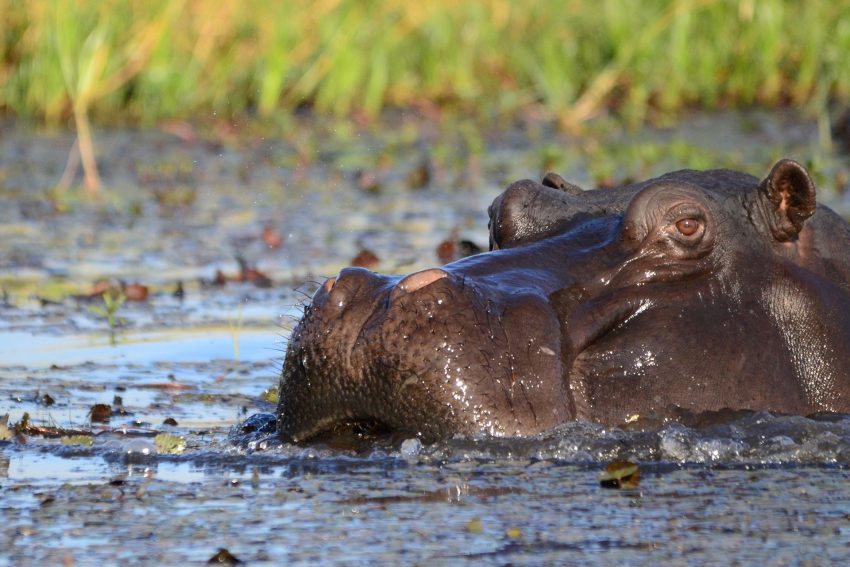
The country’s landscapes range from sandy beaches and rocky cliffs along the coastline to savannas, wetlands, and river valleys inland. Senegal’s natural highlights include the Senegal River in the north, the Casamance region’s lush scenery in the south, and wildlife-rich parks and reserves that attract nature lovers and birdwatchers. Its climate is generally warm, with a dry season and a rainy season that shape daily life, agriculture, and travel experiences.
Senegalese culture is expressed through music, dance, storytelling, and a celebrated culinary tradition featuring dishes like thieboudienne (fish and rice). Markets, festivals, and neighborhood gatherings bring people together, while crafts, fashion, and contemporary art showcase both tradition and modern creativity. Whether you’re drawn by the Atlantic coastline, the rhythms of mbalax, or the welcoming spirit of its people, Senegal offers a memorable introduction to West Africa.
Table of Contents
- History of Senegal
- Early societies and West African empires
- Jolof and regional kingdoms
- Atlantic trade and slavery
- Islamic reform movements and resistance
- French conquest and colonial rule
- World wars and the rise of nationalism
- Early independence and Senghor’s era
- Diouf, liberalization, and the Casamance conflict
- Democratic alternation and contemporary politics
- Best Time to Visit Senegal
- Food and Drink from Senegal
History of Senegal
Senegal’s history is shaped by early West African states, Atlantic commerce and slavery, French colonial rule, and a post-independence trajectory marked by relative political stability alongside enduring social and regional challenges.
Early societies and West African empires (before 1400s)
Archaeological and oral traditions point to long-standing settlement along the Senegal River valley and the Atlantic coast, with farming, fishing, and trans-Sahel trade linking communities. From roughly the first millennium onward, parts of what is now Senegal lay within the orbit of major regional powers and trade networks, including the Ghana Empire’s influence to the east and later the Mali Empire. These connections helped spread Islam gradually through merchants, scholars, and local elites, though religious practice remained diverse and often blended with older traditions.
Jolof and regional kingdoms (1400s–1600s)
Between the 14th and 16th centuries, the Jolof Empire (or Jolof confederation) became a prominent political formation in the Senegambian region, alongside other states such as Waalo, Cayor, Baol, and Sine-Saloum. Authority often relied on alliances among ruling lineages, control of trade routes, and the ability to mobilize cavalry and armed retainers. Over time, Jolof fragmented into competing kingdoms, a process influenced by internal rivalries and shifting economic opportunities along the coast and river systems.
Atlantic trade and slavery (1400s–1800s)
European maritime powers arrived on the West African coast from the 15th century onward, seeking gold, gum arabic, hides, and eventually enslaved people. Coastal and riverine trading posts expanded, and the region became deeply entangled in Atlantic commerce. Gorée Island and Saint-Louis emerged as important nodes in French trade, though the scale and patterns of slave trading varied over time and place. Local rulers and merchants negotiated, resisted, and sometimes profited from these exchanges, while warfare and raiding in parts of the region fed the trade’s human toll. The long-term effects included demographic disruption, political instability in some areas, and the reorientation of economies toward Atlantic markets.
Islamic reform movements and resistance (1700s–1800s)
From the 18th century, Islamic scholarship and reform movements gained strength in the wider Senegambian and Sahelian zones. Leaders and clerical communities (marabouts) challenged established rulers, sometimes launching jihads or reformist campaigns aimed at reshaping governance and religious life. These movements intersected with social tensions, the slave trade, and competition over land and trade. They also provided ideological and organizational resources for resistance to expanding European control.
French conquest and colonial rule (1800s–1940s)
France consolidated its presence through Saint-Louis and Gorée and expanded inland during the 19th century, using military campaigns, treaties, and administrative restructuring. Colonial rule reorganized production and labor, promoted cash crops—especially groundnuts (peanuts)—and developed rail and port infrastructure to serve export needs. Dakar grew into a major Atlantic port and administrative center, eventually becoming the capital of French West Africa (AOF). Colonial policies also created new social categories and political dynamics, including the special status of the “Four Communes” (notably Saint-Louis, Gorée, Rufisque, and Dakar), where a limited form of French citizenship and electoral politics developed for some residents. At the same time, most of the population remained under indirect rule and coercive systems of taxation and labor.
World wars and the rise of nationalism (1940s–1960)
Senegalese soldiers (tirailleurs) fought for France in both world wars, experiences that contributed to political mobilization and demands for rights. After World War II, political parties, unions, and intellectual movements expanded. Leaders such as Léopold Sédar Senghor became central figures, advocating decolonization and new political arrangements. Senegal briefly joined with French Sudan (now Mali) in the Mali Federation in 1959, but the federation dissolved in 1960. Senegal became independent on 20 August 1960.
Early independence and Senghor’s era (1960s–1980)
Senegal’s first decades of independence were dominated by Senghor, who promoted a model combining state-led development, close ties with France, and a cultural politics associated with Négritude. The country developed strong institutions relative to many peers, but political life was constrained for much of this period, with limited pluralism and a powerful executive. Economic challenges persisted, including dependence on groundnuts, vulnerability to drought in the Sahel, and urban-rural inequalities. Over time, Senegal moved toward greater political openness, culminating in Senghor’s voluntary resignation in 1980—an unusual event in the region.
Diouf, liberalization, and the Casamance conflict (1980s–2000)
Abdou Diouf succeeded Senghor and oversaw further political liberalization, including a more competitive multiparty system. Senegal also faced economic restructuring under austerity and reform programs, alongside social pressures from unemployment and rapid urbanization. In the southern region of Casamance, a separatist conflict emerged in the early 1980s, driven by a mix of regional grievances, identity politics, and disputes over resources and governance. The conflict became a long-running, lower-intensity war with periodic negotiations and flare-ups, affecting security and development in the south.
Democratic alternation and contemporary politics (2000s–present)
In 2000, Abdoulaye Wade won the presidency, marking Senegal’s first peaceful transfer of power to an opposition leader. His tenure featured major infrastructure projects and economic ambitions, but also controversies over governance and constitutional changes. In 2012, Macky Sall defeated Wade in another peaceful election, reinforcing Senegal’s reputation for electoral competition and civic engagement. Sall’s period in office included institutional reforms and development initiatives, alongside debates over term limits, political freedoms, and the balance of power among institutions.
In recent years, Senegal has navigated strong social activism, contentious political moments, and ongoing efforts to resolve the Casamance conflict. The country’s economic outlook has been shaped by diversification efforts and expectations around offshore oil and gas development, while persistent challenges include youth employment, cost of living pressures, regional inequality, and governance reforms. Throughout these shifts, Senegal’s influential religious brotherhoods, vibrant cultural life, and active civil society have remained central to its political and social landscape.
Best Time to Visit Senegal
Visiting Senegal in Winter (Best)
Winter (December to February) is one of the best times to visit Senegal thanks to warm, sunny days, low humidity, and very little rain. It’s ideal for beach time along the Petite Côte (Saly, Somone), city exploring in Dakar, and day trips to places like Île de Gorée and Lac Rose. Wildlife viewing is also strong in this period, and conditions are generally comfortable for road travel and outdoor activities.
Festival highlights can include end-of-year celebrations and cultural events in Dakar, and this season often aligns with peak travel demand—so booking accommodations early is a good idea.
Visiting Senegal in Spring
Spring (March to May) stays mostly dry, but temperatures begin to climb—especially inland—making afternoons feel hotter than in winter. It’s still a great season for coastal stays, surfing and water sports near Dakar, and visiting national parks before the heavier heat and rains arrive.
Festival highlights may include music and cultural programming in Dakar and Saint-Louis, depending on the year’s calendar, and it can be a good shoulder season for travelers looking for fewer crowds than winter.
Visiting Senegal in Summer
Summer (June to August) marks the start of the rainy season, with higher humidity and more frequent showers—often in bursts rather than all-day rain. Landscapes become greener, and travel can still be rewarding if you don’t mind occasional weather disruptions. It’s a good time for travelers focused on local life, photography of lush scenery, and quieter coastal escapes.
Festival highlights vary, but this period can feature community celebrations and cultural events tied to the rainy season and school holidays, which can add a lively atmosphere in towns and cities.
Visiting Senegal in Autumn
Autumn (September to November) begins with lingering rains in September, then gradually transitions into drier, clearer weather by October and November. This is a strong time to visit if you want greener scenery early in the season and more comfortable conditions later on. By November, humidity drops and travel becomes easier across much of the country.
Festival highlights can include cultural and music events as the dry season returns, and late autumn is a good lead-in to the peak winter travel period.
Food and Drink from Senegal
Senegal’s food reflects its Atlantic coastline, river valleys, and Sahelian interior, with meals built around grains, fish, and richly seasoned sauces. Rice is especially central, often served as the base for stews and braises, while millet and fonio remain important in many households, particularly outside major cities. Cooking commonly features onions, tomatoes, garlic, and hot peppers, balanced by tangy ingredients like tamarind or citrus, and rounded out with aromatic bouillon and local herbs. Meals are frequently shared from a large communal platter, reinforcing hospitality and family ties.
The country’s best-known dish is thieboudienne (also spelled ceebu jën), often considered Senegal’s national dish. It typically combines fish with rice cooked in a tomato-based sauce and a mix of vegetables such as carrot, cabbage, cassava, eggplant, and okra, producing a deeply savory, slightly smoky flavor. Variations include white rice versions and different fish choices depending on the catch and region. Other popular rice dishes include chicken or meat preparations served with onion sauces or peanut-based gravies.
Peanuts are a cornerstone of Senegalese cooking, most famously in mafé, a hearty peanut stew made with beef, lamb, or chicken and served with rice. Yassa—especially poulet yassa—features chicken marinated in lemon and mustard, then cooked with lots of caramelized onions for a bright, tangy-sweet profile; fish yassa is also common along the coast. Street foods and snacks add variety, from grilled meats and brochettes to fried pastries and bean-based fritters, often accompanied by spicy condiments and fresh bread.
Senegal’s drinks range from everyday staples to festive refreshments. Attaya, a strong, sweet mint tea prepared in multiple rounds, is a social ritual as much as a beverage, shared during conversation and gatherings. Popular juices include bissap (hibiscus), ginger juice (often called gingembre), and baobab fruit drink (bouye), prized for their tartness and fragrance. In many homes and restaurants, these drinks accompany meals, offering cooling contrast to spicy dishes and highlighting Senegal’s love of bold, layered flavors.