Saudi Arabia: The Ultimate Travel Guide 2026
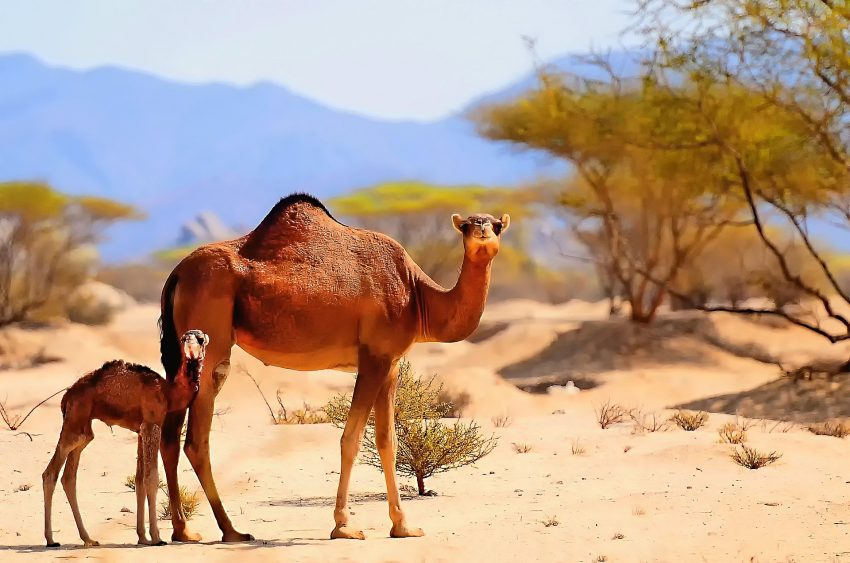
Saudi Arabia is a vast country on the Arabian Peninsula, known for its striking desert landscapes, dramatic mountain ranges, and long coastlines along the Red Sea and the Arabian Gulf. Its geography shapes daily life in distinct ways, from modern coastal cities and busy ports to inland regions where wide open plains and dunes dominate the horizon. The climate is largely arid, with hot summers and mild winters, though higher elevations in the southwest can be noticeably cooler and greener.
The Kingdom is home to some of the most significant religious sites in the world, with millions of visitors traveling each year to Makkah and Madinah. This spiritual importance influences the country’s culture, rhythms, and public life, alongside strong traditions of hospitality, family ties, and community. Arabic is the official language, and Saudi cuisine, music, and regional customs vary across the country, reflecting its diverse local identities.
In recent years, Saudi Arabia has been undergoing rapid social and economic change, with major investments in infrastructure, tourism, entertainment, and new industries. Cities such as Riyadh, Jeddah, and Dammam are expanding quickly, combining contemporary development with established cultural norms. As it opens more to international visitors and business, Saudi Arabia presents a mix of tradition and modern ambition that continues to reshape how the country is experienced from within and viewed from abroad.
Table of Contents
- History of Saudi Arabia
- Ancient Arabia and early kingdoms
- The rise of Islam and the caliphates
- Regional fragmentation and pilgrimage politics
- Ottoman-era influence and local rule
- The First Saudi State
- The Second Saudi State
- The rise of Abdulaziz and the unification of the kingdom
- Oil and state-building
- Regional influence and modernization
- Reform, security challenges, and economic transformation
- Best Time to Visit Saudi Arabia
- Food and Drink from Saudi Arabia
History of Saudi Arabia
Saudi Arabia’s history spans ancient trade routes, the rise of Islam, centuries of tribal and imperial competition, and the modern consolidation of a state built around the Al Saud dynasty and an alliance with religious reformers.
Ancient Arabia and early kingdoms (pre-600 CE)
Long before a unified Saudi state existed, the Arabian Peninsula hosted diverse communities linked to regional empires and trade. The northwest connected to the Levant and Mediterranean worlds, while the western corridor (the Hijaz) sat on routes that carried incense, spices, and goods between southern Arabia, East Africa, and the Near East. Oasis towns in central and eastern Arabia supported agriculture and caravan commerce. Various tribal confederations and local polities rose and fell, and the peninsula’s edges were influenced at times by neighboring powers such as the Romans/Byzantines, Persians, and South Arabian kingdoms.
The rise of Islam and the caliphates (7th–10th centuries)
In the early 7th century, Islam emerged in the Hijaz. Mecca and Medina became the spiritual center of the new faith, and the peninsula quickly became central to a rapidly expanding Islamic polity. Political power soon shifted away from the Hijaz to new capitals under successive caliphates, but the holy cities remained crucial for legitimacy and pilgrimage. Control, security, and administration of pilgrimage routes became enduring political priorities.
Regional fragmentation and pilgrimage politics (10th–15th centuries)
Over time, authority in Arabia fragmented among local rulers, tribal leaders, and competing regional powers. The Hijaz’s importance derived from the Hajj and the prestige of overseeing Mecca and Medina, while interior regions such as Najd were shaped more by tribal alliances, oasis settlements, and local rivalries. The eastern coast and Gulf connections tied parts of Arabia to maritime trade networks.
Ottoman-era influence and local rule (16th–18th centuries)
From the 16th century, the Ottoman Empire asserted influence over western Arabia, particularly the Hijaz, largely to protect pilgrimage routes and maintain symbolic guardianship of the holy cities. Ottoman control varied in intensity and often relied on local intermediaries. In central Arabia, local emirates and tribal coalitions continued to compete for territory and resources, with periodic conflicts and shifting alliances.
The First Saudi State (1744–1818)
A pivotal turning point came with the alliance in the mid-18th century between Muhammad ibn Saud, a local ruler in Diriyah (Najd), and the religious reformer Muhammad ibn Abd al-Wahhab. This partnership fused political expansion with a reformist religious program and helped create a state that expanded across much of the peninsula. The growing power of this polity alarmed regional rivals and the Ottoman authorities. An Ottoman-Egyptian campaign eventually defeated the First Saudi State, culminating in the fall of Diriyah in 1818.
The Second Saudi State (1824–1891)
The Al Saud re-established rule in Najd with a capital in Riyadh, forming the Second Saudi State. It faced persistent internal succession disputes and external pressures, especially from the rival Al Rashid of Ha’il. These struggles weakened the state, and by 1891 the Al Saud were defeated and went into exile.
The rise of Abdulaziz and the unification of the kingdom (1902–1932)
In 1902, Abdulaziz ibn Saud (often called Ibn Saud) recaptured Riyadh, beginning a decades-long campaign to unify much of the Arabian Peninsula under his leadership. Through warfare, alliances, and political consolidation, he expanded control across Najd, the eastern region (al-Hasa), and eventually the Hijaz, including Mecca and Medina. Managing relations with tribal forces, religious leaders, and external powers was central to this process. In 1932, the modern state was proclaimed as the Kingdom of Saudi Arabia.
Oil and state-building (1930s–1960s)
The discovery and development of oil transformed Saudi Arabia’s economy and its role in global politics. Oil revenues enabled rapid state-building: expanding infrastructure, central administration, education, and public services. The monarchy strengthened national institutions while balancing religious authority, tribal structures, and modernization pressures. Saudi foreign policy increasingly reflected both its Islamic status—custodianship of the holy sites—and its strategic energy role.
Regional influence and modernization (1970s–1990s)
Oil booms accelerated urbanization and economic development. The kingdom also became more prominent in regional diplomacy and security. The 1979 seizure of the Grand Mosque in Mecca was a major internal shock, prompting heightened attention to religious legitimacy and internal security. In the 1980s and 1990s, Saudi Arabia navigated regional conflicts and shifting alliances, including the fallout from the Gulf crisis and war, which brought foreign forces to the region and intensified domestic debates.
Reform, security challenges, and economic transformation (2000s–present)
In the 21st century, Saudi Arabia has faced challenges from militant violence, regional instability, and the need to diversify an oil-dependent economy. The state expanded counterterrorism efforts and introduced gradual social and administrative reforms. In recent years, the government has pursued ambitious economic and social transformation plans aimed at increasing private-sector growth, attracting investment, expanding entertainment and tourism, and raising workforce participation—while maintaining the monarchy’s central role and navigating complex regional and global relationships.
Best Time to Visit Saudi Arabia
Visiting Saudi Arabia in Winter (Best)
Winter (December to February) is the most comfortable time to explore Saudi Arabia, especially for outdoor sightseeing and desert experiences. Days are generally mild, making it ideal for visiting Riyadh, Jeddah, AlUla, and the Edge of the World, as well as enjoying hikes, heritage sites, and open-air markets. This is also a prime season for major events and entertainment, with Riyadh Season often bringing concerts, shows, dining pop-ups, and large-scale attractions.
Visiting Saudi Arabia in Spring
Spring (March to May) offers warm, pleasant weather in many regions and is a great shoulder season for travel before peak summer heat arrives. It’s a strong time for AlUla and other archaeological and natural landscapes, with comfortable conditions for walking tours and outdoor activities. Depending on the year, Ramadan and Eid celebrations may fall in spring, creating a special atmosphere with evening gatherings, cultural experiences, and festive holiday events.
Visiting Saudi Arabia in Summer
Summer (June to August) is hot in much of the country, so it’s best suited to travelers who plan around indoor attractions, coastal escapes, or higher-elevation areas. The Red Sea coast can be appealing for resort stays and water activities, while mountain regions such as Asir (around Abha) are typically cooler and popular for scenic drives and outdoor time. Summer can also feature seasonal entertainment and tourism programming, including events tied to the Saudi Summer season.
Visiting Saudi Arabia in Autumn
Autumn (September to November) is another excellent time to visit, as temperatures begin to ease and outdoor travel becomes more comfortable again. It’s ideal for city breaks in Riyadh and Jeddah, desert excursions, and exploring AlUla’s landscapes. This season often aligns with the return of major event calendars, and in some years you may catch the start of Riyadh Season toward late autumn, adding festivals, performances, and large-scale attractions to your itinerary.
Food and Drink from Saudi Arabia
Saudi Arabian food is shaped by desert geography, trade routes, and a strong culture of hospitality. Meals often center on rice, wheat, dates, and meat, with spices such as cardamom, cinnamon, cloves, black lime, and saffron adding warmth and fragrance rather than intense heat. Sharing food is important: large platters are commonly placed in the middle for everyone to eat together, especially at family gatherings and celebrations. Regional differences are noticeable too, from coastal seafood dishes to the hearty, spice-scented rice meals of the interior.
Rice dishes are especially iconic. Kabsa—spiced rice cooked with chicken, lamb, or sometimes camel—is widely considered a national favorite, with each household having its own blend of seasonings and preferred garnishes like toasted nuts and raisins. Mandi is another beloved dish, traditionally cooked in a tandoor-like pit that gives the meat a tender texture and subtle smokiness. Jareesh (cracked wheat cooked until creamy) and saleeg (a soft, milky rice dish) are also popular comfort foods, often served with roasted meat or chicken.
Bread and small plates play a big role in everyday eating. Flatbreads are used to scoop up stews, dips, and grilled meats, and dishes like mutabbaq (a stuffed, pan-fried pastry) are common street foods. Legumes and vegetables appear in soups and sides, while yogurt and laban (a tangy fermented milk drink) help balance richer flavors. Dates are a constant presence—served at home, offered to guests, and eaten as a quick snack—often paired with tahini, butter, or coffee.
Saudi drinks reflect both tradition and climate. Arabic coffee (qahwa) is lightly roasted and spiced with cardamom, typically served in small cups alongside dates as a sign of welcome. Tea is equally popular, from strong black tea to mint tea, enjoyed throughout the day and during social visits. Fresh juices and blended fruit drinks are common, especially in hot weather, and Ramadan brings special favorites like qamar al-din (apricot drink) and other sweet, cooling beverages shared at iftar.