Sao Tome and Principe: The Ultimate Travel Guide 2026
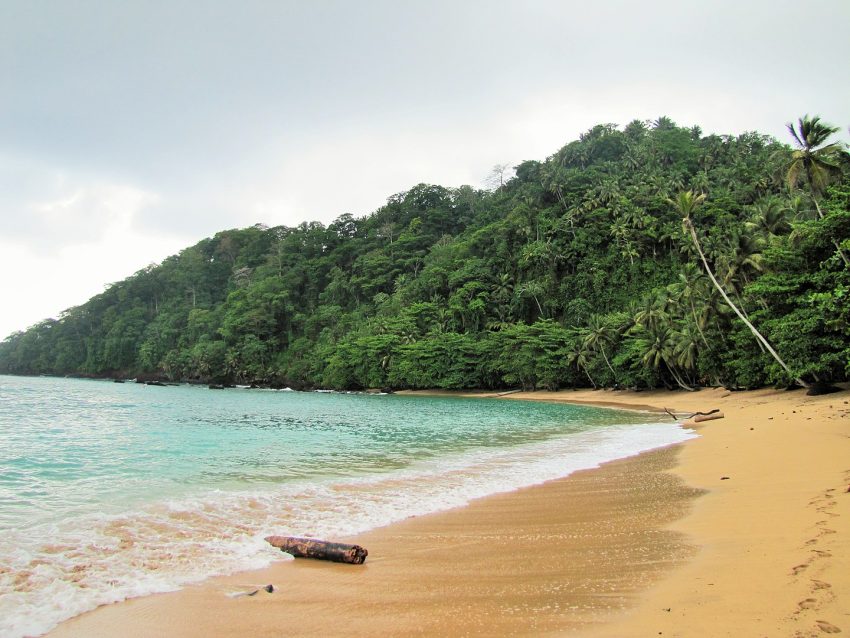
São Tomé and Príncipe is a small island nation in the Gulf of Guinea, off the west coast of Central Africa. Made up of two main islands and several smaller islets, it’s known for lush volcanic landscapes, dense rainforest, and a relaxed, unhurried pace of life. Despite its compact size, the country feels varied-coastal villages, cocoa and coffee plantations, and dramatic peaks all sit within easy reach.
Nature is a big part of the appeal. Beaches range from calm, palm-fringed bays to wilder stretches backed by jungle, while inland trails lead to waterfalls, birdlife, and viewpoints over the Atlantic. The climate is tropical, with warm temperatures year-round, and conditions that support rich biodiversity, especially on Príncipe, which is often highlighted for its pristine environment.
The culture blends African roots with Portuguese influence, reflected in language, music, food, and everyday rhythms. Local cuisine often features fresh fish, tropical fruit, and dishes seasoned with island-grown ingredients, including cocoa that remains a point of pride. For travelers, São Tomé and Príncipe offers a low-key alternative to busier destinations-scenic, welcoming, and easy to enjoy at a slower tempo.
Table of Contents
- History of Sao Tome and Principe
- 15th–16th centuries: Discovery, settlement, and the sugar era
- 17th–18th centuries: Decline of sugar and shifting importance
- 19th–early 20th centuries: Cocoa, coffee, and the roças
- 1950s–1974: Nationalism and the end of Portuguese rule
- 1975–1990: Independence and one-party rule
- 1990s: Multiparty democracy and political turnover
- 2000s: Coups, oil hopes, and continued dependence
- 2010s–present: Democratic continuity amid economic constraints
- Best Time to Visit Sao Tome and Principe
- Food and Drink from Sao Tome and Principe
History of Sao Tome and Principe
São Tomé and Príncipe’s history is shaped by its late human settlement, plantation slavery, and a long transition from colonial rule to a small island state navigating post-independence politics and a cocoa-dependent economy.
15th–16th centuries: Discovery, settlement, and the sugar era
The islands were uninhabited when Portuguese navigators reached them in the late 15th century. Portugal began colonizing soon after, using São Tomé as a strategic Atlantic outpost. Early settlement relied on a mix of Portuguese colonists, exiles, and enslaved Africans brought from the mainland. By the 16th century, São Tomé became a major sugar producer, organized around plantations and enslaved labor. Its location also made it a node in Atlantic trade networks, including the trafficking of enslaved people.
17th–18th centuries: Decline of sugar and shifting importance
Competition from larger, more productive sugar colonies in the Americas reduced São Tomé’s role in sugar exports. The islands’ economy and strategic value fluctuated, and local society evolved around plantation agriculture, maritime trade, and a creole population with distinct cultural and social identities.
19th–early 20th centuries: Cocoa, coffee, and the roças
In the 19th century, São Tomé and Príncipe were transformed by the rise of cocoa and coffee. Large plantation estates—roças—expanded dramatically, making the islands one of the world’s leading cocoa producers for a time. Although slavery was formally abolished in the Portuguese Empire, plantation labor continued through coercive systems, including contract laborers recruited from other Portuguese territories, especially Angola, Cape Verde, and Mozambique. Harsh working conditions and limited rights created persistent tensions.
1950s–1974: Nationalism and the end of Portuguese rule
Mid-20th-century anti-colonial sentiment grew alongside broader African decolonization. A key trauma was the 1953 Batepá massacre, when colonial authorities violently repressed local people amid fears of unrest; it became a lasting symbol of colonial brutality and a rallying point for nationalism. The Movement for the Liberation of São Tomé and Príncipe (MLSTP) formed and pursued independence. Portugal’s 1974 Carnation Revolution ended the dictatorship in Lisbon and rapidly accelerated decolonization.
1975–1990: Independence and one-party rule
São Tomé and Príncipe became independent on 12 July 1975. The MLSTP established a one-party state with a centralized economic model and strong state influence over plantations and trade. The country faced structural challenges: a small domestic market, dependence on cocoa exports, limited infrastructure, and vulnerability to external price swings. Over time, economic pressures and demands for political liberalization increased.
1990s: Multiparty democracy and political turnover
A new constitution introduced multiparty politics in 1990, and competitive elections followed. The 1990s saw frequent changes of government and shifting coalitions, reflecting both democratic openness and political fragmentation. Despite instability, São Tomé and Príncipe developed a reputation for relatively peaceful political competition compared with many states facing similar constraints.
2000s: Coups, oil hopes, and continued dependence
The early 2000s brought renewed turbulence, including a brief coup attempt in 2003 that was reversed through negotiation. Around the same period, hopes rose that offshore oil—particularly in a joint development zone with Nigeria—might transform public finances. Those expectations largely failed to materialize at scale, leaving the economy still heavily reliant on cocoa, aid, and services.
2010s–present: Democratic continuity amid economic constraints
In recent years, São Tomé and Príncipe has continued holding regular elections and experiencing peaceful transfers of power, even as governments change frequently. Economic challenges remain central: limited diversification, high import dependence, exposure to global price and shipping shocks, and the long-term task of modernizing agriculture and expanding tourism and services. The country’s contemporary identity reflects its creole cultures, plantation history, and the ongoing effort to balance democratic governance with the realities of a small island economy.
Best Time to Visit Sao Tome and Principe
Visiting Sao Tome and Principe in Spring
Spring (roughly March to May) is a shoulder-season option with warm temperatures and a mix of sunshine and occasional showers. It’s a good time if you want greener landscapes, fewer crowds, and generally good conditions for hiking, plantation (roça) visits, and wildlife spotting—while still getting plenty of beach time between rain bursts.
Visiting Sao Tome and Principe in Summer (Best)
Summer (roughly June to August) is typically the driest, most reliably sunny period, making it the best time for classic island activities like swimming, snorkeling, diving, boat trips, and beach-hopping. Trails are usually more manageable, and road conditions tend to be easier for exploring beyond the capital. If your priority is maximum sunshine and the most dependable outdoor weather, this is the strongest bet.
Visiting Sao Tome and Principe in Autumn
Autumn (roughly September to November) brings a transition toward wetter conditions, especially later in the season. Early autumn can still be a pleasant window for travel with warm seas and decent visibility for snorkeling and diving, while the islands remain lush and vibrant. It’s also a good time for travelers who prefer a quieter feel and don’t mind the chance of heavier showers.
Visiting Sao Tome and Principe in Winter
Winter (roughly December to February) is generally wetter and more humid, with a higher chance of heavy rain that can affect hiking plans and some road travel. That said, it can be rewarding for photographers and nature lovers who want the islands at their greenest, and it’s often a calmer period for a low-key, relaxed trip. If festivals are a highlight for you, the year-end period can feature local celebrations around Christmas and New Year, with community events and gatherings that offer a more cultural, lived-in feel.
Food and Drink from Sao Tome and Principe
São Tomé and Príncipe’s food and drink reflect its island setting in the Gulf of Guinea, blending West and Central African traditions with Portuguese influence. Meals tend to be built around what’s freshest and most available: fish and seafood from the Atlantic, tropical produce from small farms, and starchy staples that make dishes filling and comforting. Cooking is often straightforward—grilled, stewed, or simmered—letting ingredients like palm oil, onions, garlic, and local herbs carry the flavor.
Seafood is central, with fish appearing in many forms: simply grilled with lime, cooked into brothy stews, or paired with sauces that balance heat and acidity. Common accompaniments include rice, breadfruit, plantains, and cassava, which can be boiled, fried, or mashed. You’ll also find hearty one-pot preparations where fish or meat is cooked with vegetables such as okra, eggplant, leafy greens, and tomatoes, creating rich, savory plates suited to the humid climate.
Local produce shapes the everyday table. Bananas and plantains are used both ripe and green, while breadfruit and yams provide substance. Tropical fruits—mango, papaya, pineapple, guava, and passion fruit—show up as snacks, desserts, and juices, and coconut is used for both sweetness and body in sauces and sweets. Peanuts and beans also feature in home cooking, adding protein and a nutty depth to stews and side dishes.
Drinks highlight the islands’ agricultural heritage. Fresh fruit juices are common, as are coffee and tea, and São Tomé is especially known for its cacao—so hot chocolate and chocolate-based treats are a natural indulgence. Sugarcane spirits and locally made alcoholic drinks can appear at gatherings, alongside beer and imported beverages. Overall, eating and drinking in São Tomé and Príncipe feels seasonal and coastal: simple preparations, bold tropical flavors, and a strong connection to the land and sea.