Samoa: The Ultimate Travel Guide 2026
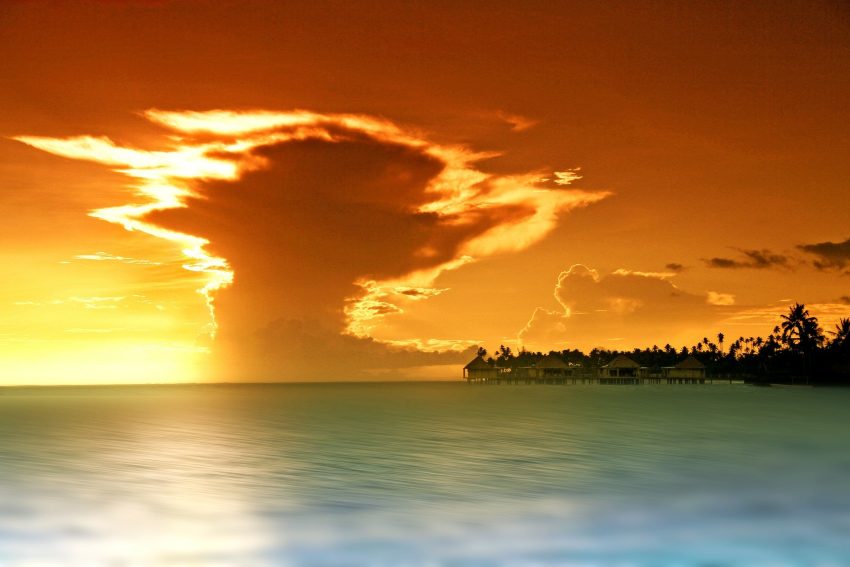
Samoa is a stunning island nation in the heart of the South Pacific, known for its lush tropical landscapes, warm ocean waters, and strong sense of community. Made up of two main islands-Upolu and Savai‘i-along with several smaller islets, it offers everything from volcanic peaks and rainforest trails to tranquil lagoons and dramatic coastal cliffs. Its capital, Apia, is a lively hub where local markets, waterfront views, and everyday island life come together.
What makes Samoa especially distinctive is its living culture, often described through the Fa‘a Samoa-the Samoan way of life. Family and village ties are central, and respect, hospitality, and shared responsibility shape daily routines and celebrations. Visitors often notice how traditions are woven naturally into modern life, from language and dance to food, crafts, and community gatherings.
For travelers, Samoa is both relaxing and enriching, with opportunities to swim, snorkel, hike, and explore villages at an unhurried pace. You can spend a morning at a waterfall, an afternoon on a quiet beach, and an evening enjoying local cuisine and music. Whether you’re seeking adventure or calm, Samoa offers a welcoming atmosphere and a deep connection to nature and culture.
Table of Contents
- History of Samoa
- Ancient settlement and Polynesian roots
- The rise of the fa‘amatai and the Samoan polity
- First sustained European contact and early trade
- Christianity and social transformation
- Imperial rivalry and partition
- German Samoa
- New Zealand administration and the influenza catastrophe
- Toward self-government and independence
- Post-independence nation-building
- Modern Samoa and constitutional change
- Best Time to Visit Samoa
- Food and Drink from Samoa
History of Samoa
Samoa’s history spans deep Polynesian settlement, centuries of chiefly governance and inter-island exchange, a transformative era of Christian conversion and global trade, colonial partition, and a modern path to independence and regional leadership.
Ancient settlement and Polynesian roots (c. 1000 BCE–1000 CE)
Samoa is among the oldest continuously inhabited places in Polynesia. Early settlers arrived as part of the wider Lapita and post-Lapita migrations that spread across the Pacific. Over time, distinctive Samoan language, arts, navigation traditions, and social structures developed. Samoa became a key node in Polynesian networks of voyaging, marriage alliances, and exchange, and Samoan oral histories preserve genealogies and origin narratives that connect islands and chiefly lines across the region.
The rise of the fa‘amatai and the Samoan polity (c. 1000–1700s)
Samoan society organized around the fa‘amatai system—chiefly titles (matai) held on behalf of extended families (aiga). Authority was exercised through councils and consensus-building, with land held communally under customary tenure. Political life involved alliances and rivalries among districts and title groups, and ceremonial exchange and oratory became central to governance. This system proved resilient and remains foundational to Samoan identity and political culture.
First sustained European contact and early trade (1700s–1830s)
European explorers and traders began visiting more frequently in the 18th century, bringing new goods and diseases and drawing Samoa into expanding maritime trade. Encounters were uneven—sometimes cooperative, sometimes violent—shaped by misunderstandings, competition, and local politics. By the early 19th century, Samoa’s strategic location and harbors attracted greater foreign interest.
Christianity and social transformation (1830s–late 1800s)
Christian missions became a major force from the 1830s onward, and conversion spread rapidly. Churches and mission schools reshaped education, literacy, and community life, while many Samoans integrated Christianity with existing customs. At the same time, foreign merchants increased their influence, land transactions multiplied, and rival external powers sought leverage through local factions. The late 19th century saw heightened instability as Samoan political contests intersected with imperial competition.
Imperial rivalry and partition (1880s–1899)
Germany, the United States, and Britain competed for influence in Samoa, supporting different claimants and seeking commercial and strategic advantage. Tensions culminated in international negotiations that divided the archipelago. In 1899, the islands were partitioned: the western islands became German Samoa, while the eastern islands became American Samoa under U.S. administration. Britain withdrew in exchange for interests elsewhere in the Pacific.
German Samoa (1900–1914)
Under German rule, the colonial administration expanded plantation agriculture and infrastructure and sought to centralize authority. Samoan leaders and communities navigated new legal and economic pressures, including labor demands and land issues. While some modernization occurred, colonial governance often conflicted with Samoan autonomy and customary structures.
New Zealand administration and the influenza catastrophe (1914–1940s)
At the outbreak of World War I, New Zealand forces occupied German Samoa, and afterward New Zealand administered the territory under an international mandate. In 1918, the arrival of an influenza-infected ship led to a devastating epidemic that killed a significant portion of the population, a trauma that deeply shaped Samoan memory and politics.
In the 1920s and 1930s, the Mau movement emerged as a broad, largely nonviolent campaign for Samoan self-government and respect for Samoan authority. The movement drew support across society and became a defining nationalist force. Tensions with the administration culminated in a deadly confrontation in 1929, remembered as “Black Saturday,” after which the independence movement persisted despite repression.
Toward self-government and independence (1940s–1962)
After World War II, global decolonization accelerated. Samoa moved through constitutional development, expanded local representation, and negotiations over self-rule. In 1962, Western Samoa became the first independent state in Polynesia in the modern era. Its political system blended parliamentary institutions with Samoan custom, including the central role of matai titles and customary land.
Post-independence nation-building (1962–1990s)
Independent Samoa focused on education, health, infrastructure, and economic development while maintaining strong cultural continuity through the fa‘a Samoa (the Samoan way). The country cultivated regional and international relationships and relied significantly on remittances and migration networks. Political reforms and debates continued over the balance between customary authority and democratic participation.
Modern Samoa and constitutional change (1990s–present)
In 1997, the country formally adopted the name “Samoa” (having been known internationally as Western Samoa since independence). Samoa has faced major challenges from cyclones, earthquakes, and other natural disasters, alongside economic pressures and public health concerns. At the same time, it has strengthened institutions, expanded civic participation, and played an active role in Pacific regional affairs and climate advocacy.
Samoa today remains defined by the enduring strength of its language and customary governance, the centrality of family and village life, and a modern state shaped by the legacies of partition, colonial administration, and a long struggle for self-determination.
Best Time to Visit Samoa
Visiting Samoa in Summer (December–February)
Summer in Samoa is hot, humid, and falls within the wetter, cyclone-prone period. It’s a good time to visit if you want lush landscapes, fewer crowds, and don’t mind short, heavy downpours that can interrupt beach days. Expect warmer ocean temperatures and a more tropical feel overall. Festival highlight: The Teuila Festival (typically in early September) isn’t in summer, but if cultural events are your priority, consider planning around it instead.
Visiting Samoa in Autumn (March–May)
Autumn is a strong shoulder season choice: conditions generally start to settle after the peak wet months, humidity eases, and the islands stay vividly green. It’s a good time for swimming, waterfalls, and hiking with a better chance of clear weather than mid-summer, while still avoiding the busiest peak-season feel.
Visiting Samoa in Winter (June–August) (Best)
Winter is typically the driest, most comfortable time to visit Samoa, with lower humidity, cooler evenings, and more reliable sunshine—ideal for beach time, lagoon activities, diving/snorkelling, and road trips around Upolu and Savai‘i. This is also when Samoa tends to be at its most consistently pleasant, so it’s a great pick if you want the best odds of stable weather.
Visiting Samoa in Spring (September–November)
Spring is another excellent time to visit, with warm temperatures and generally good weather before the wetter season builds again later in the year. It’s especially appealing if you want a mix of great conditions and cultural energy. Festival highlight: The Teuila Festival (usually early September) is one of Samoa’s biggest cultural celebrations, featuring dance, music, drumming, parades, and traditional events—well worth timing your trip around if you can.
Food and Drink from Samoa
Samoan food is shaped by the islands’ tropical climate, fertile volcanic soil, and strong communal traditions. Everyday meals often center on starchy staples such as taro, breadfruit, green bananas, and yams, paired with seafood or meat and brightened with coconut in many forms. Freshness is a defining feature: fish is commonly caught locally, fruits like papaya, pineapple, mango, and bananas are widely enjoyed, and greens and root crops are frequently harvested close to home. Meals are also closely tied to hospitality, with sharing and feeding guests considered an important expression of respect and care.
A hallmark of Samoan cuisine is the umu, an earth oven used for cooking on hot stones. Foods are wrapped—often in banana leaves—and slowly baked, producing smoky, tender results. Common umu dishes include taro and breadfruit, whole fish, chicken, and pork, sometimes alongside palusami, a beloved preparation of taro leaves baked with coconut cream and seasonings. The umu is especially associated with Sundays, celebrations, and family gatherings, where cooking becomes a collective effort and the meal is a centerpiece of the occasion.
Coconut is central to both flavor and technique, appearing as coconut cream, coconut milk, and toasted coconut. It enriches sauces, softens leafy greens, and balances the saltiness of seafood and the savoriness of meats. Alongside coconut-based dishes, Samoans enjoy a range of simple, satisfying foods: grilled or pan-fried fish, stews and soups featuring taro or greens, and snacks made from ripe fruit or baked goods influenced by historical contact and modern tastes. The overall style tends to be hearty and comforting, with clean flavors that highlight the quality of the ingredients.
Drinks in Samoa reflect the same blend of tradition and local abundance. Fresh coconut water is widely enjoyed, as are fruit juices and smoothies made from tropical produce. Koko Samoa, a traditional hot drink made from locally grown cacao, is valued for its deep, earthy taste and is often served at home or during gatherings. Another well-known ceremonial beverage is ‘ava (kava), prepared from the root of the pepper plant and shared in formal settings; it plays a significant role in cultural protocols, marking respect, welcome, and community connection.