Saba: The Ultimate Travel Guide 2026
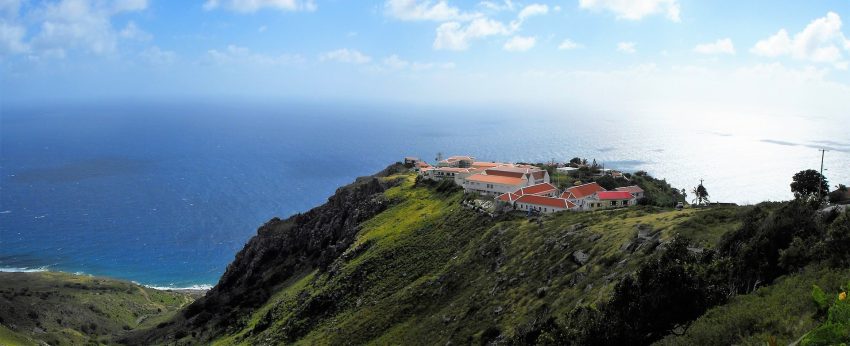
Saba is a small Caribbean island known for its dramatic volcanic landscape, lush greenery, and quiet, unspoiled atmosphere. Often called the “Unspoiled Queen,” it rises steeply from the sea, with Mount Scenery at its center and winding roads that connect a handful of charming villages. Its compact size makes it easy to explore, yet its terrain gives it a sense of adventure and discovery.
What sets Saba apart is its natural beauty and outdoor appeal. The island is crisscrossed with well-maintained hiking trails that lead through rainforest-like vegetation to panoramic viewpoints, while the surrounding waters are celebrated for clear visibility and vibrant marine life. Whether you’re on land or underwater, Saba feels refreshingly focused on nature rather than crowds.
Life on Saba moves at a relaxed pace, with a welcoming community and a low-key, intimate vibe. Visitors come for peaceful stays, scenic walks, and world-class diving, as well as cozy places to eat and stay that reflect the island’s simple charm. It’s an ideal destination for travelers who want a Caribbean experience that feels authentic, tranquil, and close to the elements.
Table of Contents
History of Saba
Saba is a small, steep volcanic island in the northeastern Caribbean, today a special municipality of the Netherlands. Its history is shaped by Indigenous seafaring, European rivalry, plantation-era slavery, maritime trade, and a modern shift toward tourism and protected nature.
Before European colonization (to the 1600s)
Long before Europeans arrived, Saba was visited and settled intermittently by Indigenous Caribbean peoples who moved through the Lesser Antilles by canoe. Archaeological traces point to small communities that relied on fishing, coastal resources, and inter-island exchange. The island’s rugged terrain and limited flat land meant settlements were modest compared with larger neighboring islands.
Early European encounters and contested claims (1600s)
Europeans sighted Saba in the era of Spanish exploration, but Spain did not develop it into a major colony. In the 1600s, as Dutch, English, and French powers competed across the Lesser Antilles, Saba became part of the shifting frontier of Caribbean colonization. Dutch settlers established a foothold, and the island’s political status changed hands more than once amid regional wars and privateering.
Plantation society and slavery (late 1600s–1800s)
Saba developed a small plantation economy compared with islands that had broad lowlands. Limited arable land constrained large-scale sugar production, but enslaved Africans were still brought to the island and forced to work in agriculture and domestic labor. Social life and wealth were shaped by the plantation system, while many Sabans also depended on fishing, small farming, and inter-island trade to survive.
Emancipation and a maritime economy (1800s)
With the abolition of slavery in the Dutch Caribbean in the 19th century, Saba’s society changed profoundly, though economic hardship remained. Many residents turned increasingly to the sea: fishing, boatbuilding, and maritime work became central. Saba gained a reputation for skilled sailors, and seafaring connected the island to wider Caribbean and Atlantic networks.
Isolation and gradual modernization (early–mid 1900s)
For much of the early 20th century, Saba was notably isolated. Its steep cliffs and lack of a natural harbor limited shipping, and overland travel was difficult. Infrastructure improved slowly, including the development of roads that linked settlements such as The Bottom and Windwardside. Migration for work—especially maritime employment—remained important for many families.
Air access, tourism, and conservation (mid–late 1900s)
A major turning point came with improved access: the construction of an airstrip and expanded marine facilities made travel and supply more reliable. Over time, Saba cultivated a distinct identity as a quiet, nature-focused destination. Diving and hiking grew in importance, and marine and terrestrial conservation became central to the island’s development strategy, helping protect reefs and the volcanic landscape.
Constitutional change and present-day status (2000s–today)
In 2010, after the dissolution of the Netherlands Antilles, Saba became a special municipality (public body) of the Netherlands. This brought administrative changes and closer integration with Dutch governance and public services, while the island retained its local character and institutions. Today, Saba’s economy relies heavily on tourism, education and public-sector employment, and small businesses, with conservation and careful development continuing to shape its future.
Best Time to Visit Saba
Visiting Saba in Winter (Best)
Winter is one of the best times to visit Saba for comfortable temperatures, lower humidity, and generally pleasant hiking conditions on trails like Mount Scenery. It’s also a popular season, so booking flights and accommodations earlier is a good idea if you’re traveling around holiday periods.
Visiting Saba in Spring
Spring is a great shoulder season in Saba, often bringing a balance of good weather and slightly fewer crowds than peak winter months. It’s an excellent time for diving and snorkeling, with warm water and typically good visibility, while still being comfortable for outdoor activities.
Visiting Saba in Summer
Summer in Saba is warmer and more humid, with a higher chance of rain showers. If you don’t mind occasional wet weather, this can be a quieter time to visit, and you may find better availability and pricing. It’s still very doable for diving, but hikers may prefer early-morning starts to avoid midday heat.
Visiting Saba in Fall
Fall can be a quieter time in Saba, with warm temperatures and a greater likelihood of unsettled weather at times. If your priority is fewer visitors and a more relaxed pace, fall can be appealing—just plan with flexibility in case conditions affect boat trips or outdoor plans. If festivals are a key highlight for your trip, check Saba’s event calendar in advance, as cultural celebrations and community events can be a major draw in certain years.
Food and Drink from Saba
Saba’s food and drink reflect its Caribbean setting and its close ties to the wider Dutch Caribbean. Meals tend to be hearty and practical, shaped by island life, fishing, and what can be grown on steep, volcanic slopes. Home cooking is central, and many dishes balance simple seasonings with bold, comforting flavors. You’ll often find plates built around starches like rice, bread, or provisions (root vegetables), paired with fish, chicken, or goat, and brightened with peppers, herbs, and tangy sauces.
Seafood is a standout, thanks to Saba’s surrounding waters. Fresh fish is commonly fried, grilled, or stewed, and it may be served with rice and peas, vegetables, or a side of plantain. Lobster can appear when in season, prepared simply to let the sweetness of the meat shine. Soups and stews also play a big role, especially on cooler evenings in the higher elevations, offering slow-cooked depth with local aromatics and whatever the day’s catch or market produce provides.
Saba shares many beloved Caribbean staples, including johnnycakes—small, fried breads that are crisp outside and soft within—often eaten at breakfast or alongside savory dishes. You may also come across dishes featuring plantains, yams, sweet potatoes, and other provisions, sometimes mashed, boiled, or cooked down into rich, filling sides. Hot pepper sauces and pickled accompaniments are common at the table, adding heat and acidity that cut through fried foods and stews.
Drinks on Saba range from everyday refreshments to celebratory pours. Rum is a familiar presence across the region, showing up in mixed drinks and festive gatherings, while beer and imported spirits are widely available as well. Non-alcoholic options often include fruit juices and soft drinks, and you’ll sometimes find locally inspired blends that highlight tropical flavors. Whether paired with a seaside meal or enjoyed after a hike, Saba’s food and drink culture feels welcoming, unfussy, and deeply connected to island rhythms.