Rwanda: The Ultimate Travel Guide 2026
Rwanda is a small, landlocked country in East-Central Africa known for its striking green hills, patchwork farmland, and dramatic volcanic landscapes. Often called the “Land of a Thousand Hills,” it offers a mix of lively cities and serene countryside, with Kigali as its clean, modern capital and main gateway for visitors and business.
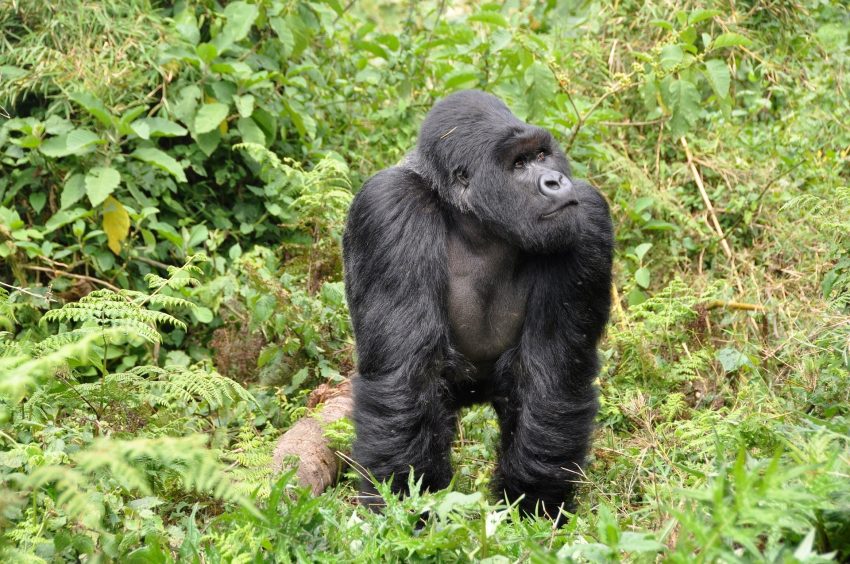
Nature is one of Rwanda’s biggest draws, from misty mountain forests to savannah plains and sparkling lakes. The country is especially famous for wildlife experiences, including mountain gorilla trekking in Volcanoes National Park, as well as chimpanzees and diverse birdlife in Nyungwe Forest. Akagera National Park adds a different feel, with open landscapes and classic safari sightings.
Rwanda today is also recognized for its strong sense of community, safety, and forward-looking development. Local culture is expressed through music, dance, crafts, and a rich culinary scene that highlights fresh produce and regional flavors. Whether you’re interested in outdoor adventure, eco-tourism, or simply exploring a welcoming destination, Rwanda offers a compact but memorable experience.
Table of Contents
History of Rwanda
Rwanda’s history is shaped by long-standing state formation in the Great Lakes region, the social and political evolution of identities often described as Hutu, Tutsi, and Twa, the disruptions of colonial rule, a turbulent post-independence period, the 1994 genocide against the Tutsi, and a subsequent era of reconstruction and strong central governance.
Early societies and the rise of the kingdom (to the 1800s)
People speaking Bantu languages settled in the region over many centuries, alongside the Twa, who are often associated with earlier forest-dwelling communities. By the second millennium, Rwanda saw increasing political centralization. A kingdom emerged and expanded, especially under dynasties associated with the mwami (king). Over time, the state developed institutions for administration, cattle and land management, and military organization.
Social categories commonly described as Hutu and Tutsi existed in various forms before colonialism, often linked to occupation, wealth (especially cattle), patron-client ties, and political power. These categories were not always rigid “ethnic” groups in the modern sense; social mobility and local variation existed, though inequality and hierarchy were real features of the system.
Colonial rule and the hardening of identities (1890s–1959)
Rwanda became part of German East Africa in the late 19th century. German rule was relatively indirect, relying on existing royal structures. After World War I, Belgium took control under a League of Nations mandate and later a UN trusteeship. Belgian administration deepened state penetration and reshaped governance, education, and labor systems.
During Belgian rule, social categories were increasingly treated as fixed ethnic identities. Colonial policies and church-linked education often favored Tutsi elites for administrative roles, while many Hutu experienced exclusion and coercive labor. Identity documentation and racialized theories of difference hardened divisions and politicized identity in ways that would have lasting consequences.
Revolution and independence (1959–1962)
In the late 1950s, political mobilization intensified. Violence and upheaval around 1959—often described as the “Social Revolution”—led to the collapse of the monarchy’s authority and the rise of a Hutu-led political order. Large numbers of Tutsi fled to neighboring countries, creating a long-term refugee population whose demands for return would later shape regional conflict.
Rwanda became independent in 1962 as a republic. The early post-independence state was dominated by Hutu political elites, and periodic violence against Tutsi occurred alongside further waves of exile.
One-party rule and cycles of violence (1962–1990)
Rwanda’s first republic under President Grégoire Kayibanda was marked by strong regional and party control, discrimination against Tutsi in many sectors, and episodes of mass violence that reinforced exile and fear.
In 1973, a coup brought Juvénal Habyarimana to power, inaugurating the second republic. The state emphasized stability and development but also entrenched a one-party system and maintained ethnic quotas and discrimination. Meanwhile, Tutsi refugees and their descendants in Uganda and elsewhere organized politically and militarily, arguing for the right of return and political inclusion.
Civil war and the road to genocide (1990–1994)
In 1990, the Rwandan Patriotic Front (RPF), largely composed of Tutsi refugees from Uganda and others, invaded Rwanda, launching a civil war. The conflict intensified internal repression, propaganda, and the organization of extremist networks. Internationally mediated negotiations produced the Arusha Accords in 1993, envisioning power-sharing and integration of forces, but implementation was contested and fragile.
On April 6, 1994, President Habyarimana’s plane was shot down near Kigali. In the aftermath, extremist leaders and segments of the state apparatus and militias initiated a coordinated campaign of mass killing. Over roughly 100 days, the genocide against the Tutsi unfolded, alongside the murder of many moderate Hutu and others targeted for political reasons. The RPF resumed its offensive and took control of the country in July 1994, ending the genocide but leaving Rwanda devastated.
Aftermath, regional wars, and reconstruction (1994–2000)
After 1994, Rwanda faced the return of millions of refugees, the collapse of institutions, and the challenge of justice and reconciliation. Many perpetrators and armed groups fled into what was then Zaire (later the Democratic Republic of the Congo), where camps became militarized. Rwanda’s security concerns and pursuit of genocidal forces contributed to major regional conflicts, including the First and Second Congo Wars, with profound humanitarian consequences across the region.
Domestically, Rwanda established new governance structures, pursued prosecutions through national courts and community-based gacaca courts, and worked to rebuild the economy and public services. The state promoted a national identity framework that deemphasized ethnic labels in public life, arguing this was necessary to prevent renewed divisionism.
Consolidation under the RPF and Kagame era (2000–2010s)
Paul Kagame became president in 2000 after serving as vice president and de facto leader. Rwanda pursued rapid reconstruction, expanded health and education programs, invested in infrastructure, and promoted technology and services. Kigali became a symbol of order and modernization.
At the same time, Rwanda’s political space narrowed. The government and its supporters argued that strict controls were needed to prevent genocidal ideology and maintain stability; critics and human rights organizations pointed to repression of opposition, constraints on media, and limits on civil liberties. Rwanda continued to play an influential and controversial role in regional security dynamics, particularly regarding armed groups and conflicts in eastern Congo.
Recent developments (2010s–present)
Rwanda has continued to emphasize economic transformation, state capacity, and public service delivery, while maintaining a highly centralized political model. Constitutional changes allowed Kagame to seek additional terms, and he has remained the dominant figure in national politics.
Internationally, Rwanda has expanded its diplomatic and security footprint, including participation in peacekeeping and regional deployments, while also facing scrutiny over alleged involvement in neighboring conflicts. Domestically, the memory of 1994 remains central to national identity, governance, and education, with ongoing efforts—both praised and contested—around unity, justice, and reconciliation.
Rwanda today is often described through this dual lens: remarkable recovery and development after catastrophic violence, alongside persistent debates about political openness, historical narrative, and the balance between security and pluralism.
Best Time to Visit Rwanda
Visiting Rwanda in Spring
Spring in Rwanda (roughly March to May) is part of the long rainy season, bringing lush landscapes and fewer crowds in many areas. It can be a beautiful time for photography and scenery, but expect regular showers and muddier roads—especially in more remote parks. If you’re planning gorilla trekking, build in flexibility for wetter trail conditions.
Visiting Rwanda in Summer (Best)
Summer in Rwanda (roughly June to August) is typically the long dry season and is often the most comfortable and reliable time to visit. Wildlife viewing is strong, hiking trails are generally in better condition, and gorilla and chimp trekking tend to be easier with less rain. This is also a popular period, so booking permits and accommodations well in advance is recommended.
Visiting Rwanda in Autumn
Autumn in Rwanda (roughly September to November) includes the short rainy season, with a mix of warm days and intermittent rainfall. It can be a good shoulder-season option if you want a balance between decent weather and slightly fewer visitors than peak dry-season months. Conditions for trekking and safaris are still workable, though rain can affect visibility and trail difficulty at times.
Visiting Rwanda in Winter
Winter in Rwanda (roughly December to February) is generally a drier stretch with warm days and cooler evenings, making it another strong time for outdoor activities. It’s a good season for gorilla trekking and exploring Kigali and the country’s lakes and hills with relatively low weather disruption. If festivals are a priority, Kigali’s cultural calendar often has events and performances around the year-end period, which can add extra energy to a winter visit.
Food and Drink from Rwanda
Rwandan food is shaped by the country’s fertile hills, smallholder farming, and a strong tradition of cooking with what is grown locally. Meals often center on staples like plantains (matoke), beans, sweet potatoes, cassava, maize, and sorghum, with vegetables playing a major role. Because much of the cuisine is built around seasonal produce and hearty carbohydrates, dishes tend to be filling, simply seasoned, and designed to feed families and guests generously.
A classic everyday combination is beans with a starch such as rice, sweet potatoes, or cassava, sometimes accompanied by sautéed greens. Isombe—cassava leaves cooked until tender, often with peanuts—is widely loved for its rich, earthy flavor and creamy texture. Plantains appear in many forms, from boiled or steamed to fried, and are frequently served alongside stews. In some areas, ugali (a firm maize porridge) is also common, providing a neutral base for sauces and vegetables.
While Rwanda is known for plant-forward home cooking, meat and fish are enjoyed as well, especially on special occasions or in restaurants. Goat, beef, and chicken may be grilled or simmered in stews, and brochettes (skewers) are a popular street and bar food, typically served with fries, plantains, or a simple salad. Around lakes, fish dishes are more common, and meals are often rounded out with fresh fruit such as bananas, pineapples, passion fruit, and avocados.
Rwanda’s drinks reflect both tradition and a growing café culture. Ikivuguto, a fermented milk drink, is a familiar favorite, and traditional banana beer and sorghum-based drinks are part of social gatherings in many communities. Tea is widely consumed, and Rwandan coffee has gained international recognition for its bright, clean flavors; in Kigali and other towns, cafés serve everything from simple black coffee to espresso-based drinks. Local beers and fruit juices are also common, making the food-and-drink scene a mix of everyday staples and modern tastes.