Reunion Island: The Ultimate Travel Guide 2026
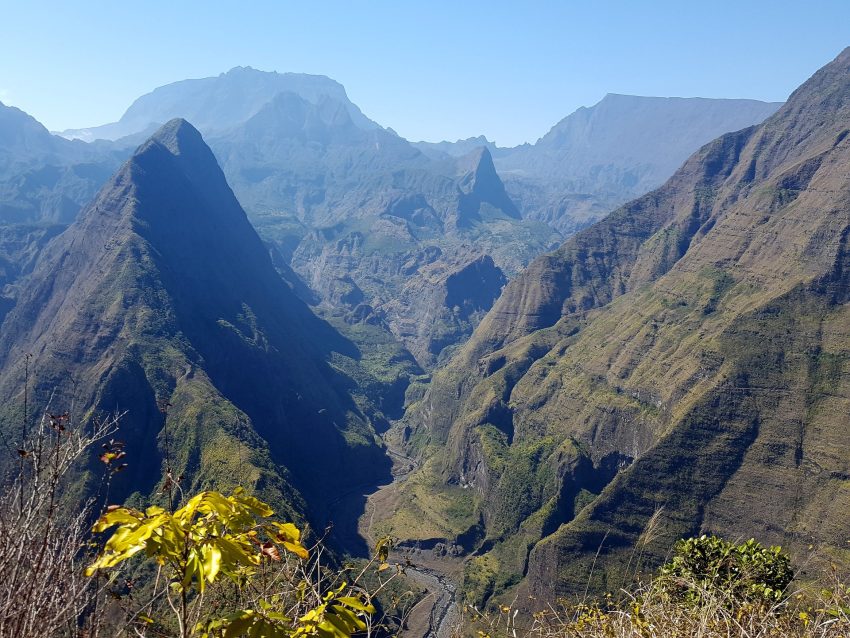
Reunion Island is a French overseas department in the Indian Ocean, east of Madagascar and southwest of Mauritius. Compact yet remarkably varied, it blends European and Creole influences with a distinctly tropical setting, making it feel both familiar and far-flung at once. As part of France, it uses the euro and has modern infrastructure, while still offering the laid-back rhythm and warmth of island life.
Nature is the main draw: dramatic volcanic peaks, lush rainforests, and deep cirques carve the interior into breathtaking landscapes. Hiking trails lead to panoramic viewpoints, waterfalls, and highland villages, while the coastline offers beaches, lagoons, and excellent spots for snorkeling and swimming. The island’s active volcano, Piton de la Fournaise, is one of the most accessible in the world, adding a sense of adventure to any visit.
Reunion’s culture is just as vibrant as its scenery, shaped by a mix of African, European, Indian, and Chinese roots. This diversity shows up in the island’s languages, music, markets, and especially its food-think fragrant curries, fresh seafood, and street snacks with bold spices. Whether you come for outdoor thrills, relaxed coastal days, or a taste of Creole life, Reunion Island offers a rich, easy-to-love introduction to the Indian Ocean.
Table of Contents
- History of Reunion Island
- Before permanent settlement
- 16th–17th centuries: European “discovery” and French claim
- Late 17th–18th centuries: Colony and plantation economy
- 1790s–1815: Revolution, renaming, and imperial conflict
- 19th century: Sugar dominance, abolition, and indentured labor
- Early–mid 20th century: Hardship, war, and political change
- Late 20th century: Departmentalization, modernization, and identity debates
- 21st century: A French region in the Indian Ocean
- Best Time to Visit Reunion Island
- Food and Drink from Reunion Island
History of Reunion Island
Reunion Island (La Réunion) is a French island in the southwest Indian Ocean whose history has been shaped by successive waves of settlement, plantation slavery, indentured labor, and eventual integration into the French Republic as an overseas department.
Before permanent settlement
For centuries, the island had no known permanent human population. Arab, Persian, and later European navigators likely knew of it as part of the Mascarene Islands, but it remained uninhabited and ecologically intact, with endemic forests and wildlife.
16th–17th centuries: European “discovery” and French claim
Portuguese sailors reached the region in the early 1500s and helped place the island on European maps. In the 1600s, France asserted control and named it Île Bourbon, linking it to the Bourbon monarchy. Early occupation was limited and precarious, relying on small settlements and supplies from passing ships.
Late 17th–18th centuries: Colony and plantation economy
Permanent settlement expanded under French administration and commercial interests. The colony developed a plantation economy—first with crops such as coffee, then increasingly with sugar—driven by enslaved labor brought mainly from Madagascar and East Africa, with additional forced migration from other parts of the Indian Ocean world. A distinct Creole society emerged, shaped by European colonists, enslaved Africans and Malagasy, and later migrants from Asia, along with the development of Réunion Creole language and local cultural forms.
1790s–1815: Revolution, renaming, and imperial conflict
The French Revolution reverberated across the island. In 1793, the name was changed from Île Bourbon to “Réunion,” reflecting revolutionary ideals of unity. The Napoleonic era brought intensified conflict in the Indian Ocean. Britain captured the island in 1810, and it was returned to France in 1815 after the Napoleonic Wars.
19th century: Sugar dominance, abolition, and indentured labor
Sugar became the dominant economic engine, transforming land use and concentrating wealth and power among plantation owners. Slavery was abolished in the French empire in 1848, ending legal enslavement on the island. Plantation owners then turned to indentured labor to sustain production, recruiting large numbers of workers—especially from India (notably Tamil communities), as well as from other regions. This period deepened Réunion’s multicultural character while also entrenching social hierarchies rooted in plantation life.
Early–mid 20th century: Hardship, war, and political change
Economic vulnerability, inequality, and periodic crises marked the early 1900s. During World War II, Réunion was initially aligned with the Vichy regime before shifting to Free French control in 1942. In 1946, Réunion became an overseas department of France, a major political turning point that expanded French state presence and set the island on a path of administrative and social integration with metropolitan France.
Late 20th century: Departmentalization, modernization, and identity debates
From the 1950s onward, public investment, social programs, and infrastructure development accelerated modernization. Living standards rose, but unemployment and dependence on metropolitan transfers remained persistent challenges. Political life often revolved around balancing social equality and economic development with cultural recognition and local autonomy debates, alongside efforts to preserve Creole language and heritage.
21st century: A French region in the Indian Ocean
Today, Réunion is both an overseas department and region of France, part of the European Union’s outermost regions. Its contemporary history is shaped by demographic growth, migration, economic diversification, and recurring social tensions over cost of living and inequality. At the same time, the island’s identity continues to be defined by its layered past—uninhabited origins, colonial plantation society, abolition and indenture, and its modern status as a French territory with a distinct Creole culture in the Indian Ocean.
Best Time to Visit Reunion Island
Visiting Reunion Island in Summer (December–March)
Summer is hot, humid, and cyclone-prone, making it the least predictable time to visit Reunion Island. It’s a good fit if you want lush landscapes, dramatic waterfalls, and don’t mind short, intense rain showers (or building flexibility into your plans). Beach time is still possible, but hiking conditions can be muddy and cloud cover can reduce mountain views.
Festival highlight: Dipavali (Diwali) is often celebrated in October/November (timing varies), but some cultural events and lead-up activities may still be felt into early summer depending on the year and local community programming.
Visiting Reunion Island in Autumn (April–June) (Best)
Autumn is one of the best times to visit Reunion Island: the cyclone risk drops, humidity eases, and the island stays pleasantly warm. Trails are generally in great shape after the wet season, waterfalls are still flowing well, and visibility improves for viewpoints around Piton des Neiges, Mafate, and the cirques. It’s an excellent all-round season for hiking, lagoon swims, and road-tripping.
Festival highlight: Depending on the year, you may catch local music and cultural events as the island transitions into the drier months, with a lively atmosphere in towns and coastal areas.
Visiting Reunion Island in Winter (July–September)
Winter is the driest and coolest season on Reunion Island, ideal for hiking and big viewpoints thanks to clearer skies and lower humidity. Nights in the mountains can be cold, so it’s best if you’re comfortable packing layers—especially for early starts or higher-altitude treks. It’s also a strong season for outdoor sports like canyoning and paragliding due to more stable conditions.
Festival highlight: Many visitors aim for winter for outdoor-focused travel, and you may find seasonal cultural programming and community events, especially around school holidays.
Visiting Reunion Island in Spring (October–November)
Spring is a warm shoulder season with increasing humidity as the island moves toward summer. It’s a great time if you want fewer crowds than peak winter, good hiking conditions, and warmer ocean temperatures. Late spring can bring more showers, but it’s often still very manageable for most itineraries.
Festival highlight: Dipavali (Diwali) is a major cultural highlight in Reunion Island, typically falling in October/November, with colorful celebrations, performances, and festive food in communities across the island.
Food and Drink from Reunion Island
Reunion Island’s food and drink reflect a lively blend of French, Creole, Indian, Chinese, and Malagasy influences, shaped by the island’s volcanic landscape and tropical climate. Meals often balance hearty comfort with bright, punchy flavors—think slow-cooked stews alongside fresh herbs, citrus, and hot chili. Local markets overflow with produce like chayote, cassava, sweet potato, and tropical fruits, while coastal areas contribute seafood that’s frequently cooked simply to let freshness shine.
A cornerstone of everyday eating is the classic trio of cari (a Creole curry-style stew), grains, and legumes: a richly seasoned meat or fish dish served with rice and lentils or beans. Cari poulet (chicken), cari poisson (fish), and cari camarons (prawns) are common, typically simmered with onions, garlic, ginger, tomatoes, and spices such as turmeric. Another beloved staple is rougail, which can be a saucy tomato-and-chili condiment or a full dish like rougail saucisse, where smoked sausages are cooked with tomatoes and aromatics for a deeply savory, slightly spicy result.
Street food and snacks are equally important, especially items that showcase Indian and Chinese heritage. Samoussas (samosas) are widely eaten—crisp, triangular pastries filled with meat, cheese, or vegetables—along with bouchons, small steamed dumplings often enjoyed with soy sauce and chili. You’ll also find gratins and baked dishes with a French touch, plus plenty of bread and pastries in towns, reflecting the island’s close ties to French culinary traditions.
Drinks on Reunion range from everyday refreshments to festive favorites. Rum is central, with local distilleries producing rhum that’s often enjoyed as rhum arrangé—rum infused with fruits, spices, or herbs like vanilla, pineapple, lychee, cinnamon, or ginger. Beer and French-style apéritifs appear at gatherings, while non-alcoholic options include fresh fruit juices, coconut water, and sweet syrups mixed with water. Coffee and tea are common too, rounding out a food culture that’s as diverse and aromatic as the island itself.