Qatar: The Ultimate Travel Guide 2026
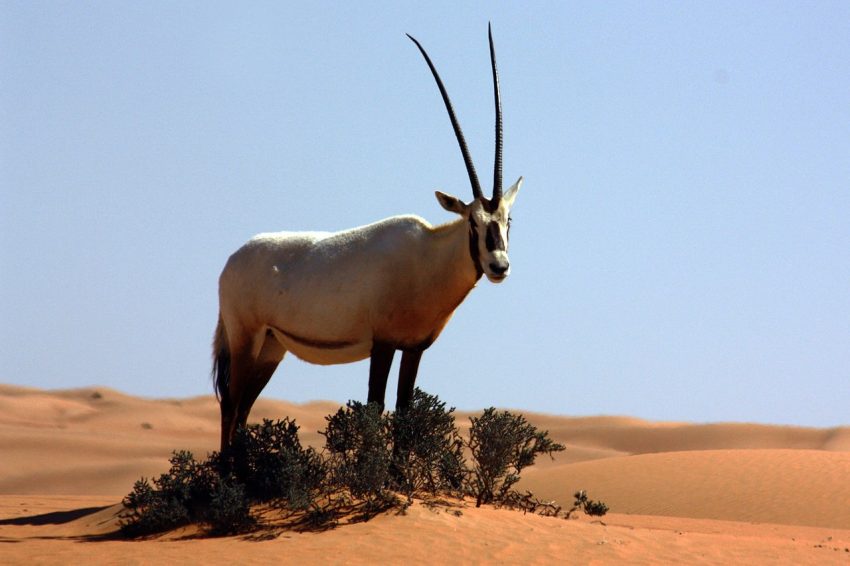
Qatar is a small but influential country on the northeastern coast of the Arabian Peninsula, known for its modern skyline, desert landscapes, and warm Gulf waters. Centered around its capital, Doha, the nation blends contemporary architecture and world-class infrastructure with a strong sense of local identity, shaped by Arab and Islamic traditions.
Despite its compact size, Qatar plays an outsized role in global business, travel, and culture. Its economy is highly developed, and the country has invested heavily in education, sports, and the arts, creating a dynamic environment that attracts professionals, students, and visitors from around the world. This international outlook is reflected in its diverse population and cosmopolitan city life.
For travelers, Qatar offers a mix of experiences-from museums and waterfront promenades to traditional souqs, desert safaris, and coastal resorts. Whether you’re stopping over for a short visit or staying longer, it’s a place where modern comforts sit alongside everyday customs, offering a distinctive introduction to the Gulf region.
Table of Contents
History of Qatar
Qatar’s history is shaped by its position on Gulf trade routes, its tribal and maritime economy, and the rise of the Al Thani dynasty alongside shifting regional and global powers.
Ancient and pre-Islamic Qatar
Human settlement in the Qatar peninsula dates back thousands of years, tied to coastal fishing, pearl diving, and trade across the Gulf. Archaeological finds indicate links with wider networks in eastern Arabia and Mesopotamia. In classical-era geography, the peninsula appears in accounts that describe Gulf coastal communities engaged in maritime commerce.
Early Islamic period (7th–15th centuries)
With the spread of Islam in the 7th century, Qatar became part of the broader Islamic polity of eastern Arabia. Coastal settlements continued to rely on seafaring livelihoods—fishing, pearling, and regional trade—while political authority shifted among larger powers and local tribal groupings across the Gulf.
Portuguese and regional competition (16th–18th centuries)
From the 1500s, Portuguese influence expanded into the Gulf as European powers sought control over maritime routes. Qatar’s coast, like much of the region, was affected by competition among Portuguese forces, local Arab rulers, and later other European interests. Over time, Portuguese dominance waned, and regional Arab powers and tribal confederations played a larger role in local affairs.
Rise of local rule and the Al Thani (18th–mid-19th centuries)
By the late 1700s and early 1800s, Qatar’s communities were increasingly shaped by tribal politics and the pearling economy. The Al Thani family emerged as leading figures, consolidating influence among local tribes and settlements. During this period, Qatar was also drawn into rivalries involving Bahrain, the Al Khalifa, and other Gulf powers, with disputes often tied to taxation, allegiance, and control of pearling grounds and ports.
Ottoman presence and British influence (mid-19th century–1916)
In the second half of the 19th century, Qatar navigated between the Ottoman Empire’s attempts to assert authority in eastern Arabia and Britain’s growing role in Gulf maritime security and diplomacy. Sheikh Jassim bin Mohammed Al Thani is widely regarded as a key founder of modern Qatar for consolidating internal authority and managing external pressures. Over time, British influence became decisive in shaping Qatar’s external relations.
British protectorate era (1916–1971)
In 1916, Qatar entered into an agreement that placed its foreign affairs and defense under British protection while leaving internal governance to the ruling family. The pearling industry—long the backbone of the economy—collapsed in the early 20th century due to the global economic downturn and the rise of cultured pearls. This economic shock intensified hardship and increased the importance of alternative revenue.
Oil exploration and exports transformed Qatar from the mid-20th century onward. State institutions expanded, infrastructure developed, and the economy shifted from maritime livelihoods to hydrocarbon-driven modernization.
Independence and state-building (1971–1995)
Qatar became fully independent in 1971. The state invested oil revenues into public services, administration, and development. Regional politics—including Gulf security concerns and shifting alliances—shaped defense and diplomacy. Over these decades, Qatar also began laying foundations for a modern bureaucracy and expanding its international profile.
Modern Qatar: gas wealth and global role (1995–present)
A major turning point came in 1995, when Sheikh Hamad bin Khalifa Al Thani became emir. Qatar accelerated modernization and pursued a more assertive foreign policy. The development of the North Field—one of the world’s largest natural gas reserves—powered a dramatic expansion of liquefied natural gas (LNG) production, making Qatar a leading global energy exporter and enabling large-scale investment at home and abroad.
Qatar also built influential media and diplomatic platforms, hosted major international events, and expanded education and cultural institutions. In 2013, Sheikh Tamim bin Hamad Al Thani became emir, continuing many development and diversification efforts.
From 2017 to 2021, Qatar faced a blockade by several neighboring states, prompting rapid adjustments in trade, logistics, and domestic production, alongside intensified diplomacy. The dispute ended with reconciliation agreements, and Qatar continued to position itself as a mediator in regional and international conflicts.
In recent years, Qatar has balanced rapid economic growth with long-term planning focused on diversification, infrastructure, and social development, while maintaining its strategic importance through energy exports and diplomacy.
Best Time to Visit Qatar
Visiting Qatar in Winter (Best)
Winter (December to February) is the most comfortable time to visit Qatar, with mild temperatures and low humidity—ideal for desert safaris, dhow cruises, beach days, and exploring Doha on foot. This is also a peak season for outdoor dining, waterfront walks along the Corniche, and day trips to the Inland Sea (Khor Al Adaid). Festival highlights often include the Qatar International Food Festival (typically in winter/early spring timing) and major sporting events that frequently take place during the cooler months.
Visiting Qatar in Spring
Spring (March to May) is a great shoulder season: warm days, cooler evenings, and plenty of sunshine. It’s a good time for sightseeing, museum visits, and outdoor attractions before the summer heat builds. Festival highlights can include Eid celebrations (dates vary by lunar calendar), which bring special events, family activities, and a lively atmosphere across malls, parks, and public venues.
Visiting Qatar in Summer
Summer (June to August) is very hot and humid, so it’s best for travelers who don’t mind planning around indoor, air-conditioned activities. This is a strong season for shopping, dining, museums, galleries, and family entertainment venues. Beach and desert activities are possible but usually limited to early mornings or evenings. Festival highlights may include summer shopping promotions and indoor entertainment programs, which can be a draw if you’re looking for deals and curated activities.
Visiting Qatar in Autumn
Autumn (September to November) marks the return of more comfortable weather, especially from late October onward. It’s an excellent time for outdoor markets, cultural sites, and desert experiences as temperatures steadily cool. Festival highlights often include the Doha Tribeca Film Festival (when scheduled) and a growing calendar of cultural and sporting events as the outdoor season ramps up.
Food and Drink from Qatar
Qatari food reflects the country’s Gulf location, desert roots, and long history of trade, blending Arabian staples with influences from Persia, India, and East Africa. Rice, wheat, dates, and dairy form a foundation, while spices such as saffron, cardamom, turmeric, cinnamon, dried lime, and black pepper add warmth and fragrance. Meals often center on sharing, with large platters placed in the middle of the table, and hospitality is a defining feature—guests are welcomed with generous portions and a steady flow of drinks and sweets.
Signature dishes commonly feature rice paired with meat or seafood. Machboos (also spelled majboos) is a national favorite: spiced rice cooked with chicken, lamb, or fish, often served with a tangy tomato-based sauce. Harees, a comforting porridge of wheat and meat slow-cooked until silky, is especially popular during Ramadan and festive occasions. Seafood has a strong presence too, with grilled or fried hamour (grouper) and shrimp appearing in home cooking and restaurants, reflecting Qatar’s coastal heritage.
Bread, snacks, and sweets round out everyday eating. Khubz (flatbread) accompanies stews and grilled meats, while regag—thin, crisp crepes—may be served with eggs, cheese, or honey. Sweet flavors often highlight dates, rosewater, and nuts; desserts and treats can include luqaimat (fried dough balls drizzled with syrup), as well as assorted pastries and date-based confections offered to guests. These foods are frequently enjoyed alongside fresh fruit and light bites during social visits.
Drinks in Qatar are closely tied to tradition and climate. Arabic coffee (gahwa), lightly roasted and scented with cardamom, is served in small cups and refilled as a sign of welcome, often alongside dates. Karak tea—strong black tea simmered with milk and spices—has become an everyday staple, found everywhere from homes to roadside cafés. In the heat, people also enjoy chilled juices and laban (a salted yogurt drink), which pairs well with rich, spiced meals and helps keep things refreshing.