Puerto Rico: The Ultimate Travel Guide 2026
Puerto Rico is a vibrant Caribbean island known for its warm climate, lush landscapes, and energetic culture. As an unincorporated territory of the United States, it blends Latin American and U.S. influences in everyday life, from language and music to food and festivals. Visitors often notice the island’s welcoming spirit and the easy rhythm of coastal living paired with the bustle of city life.
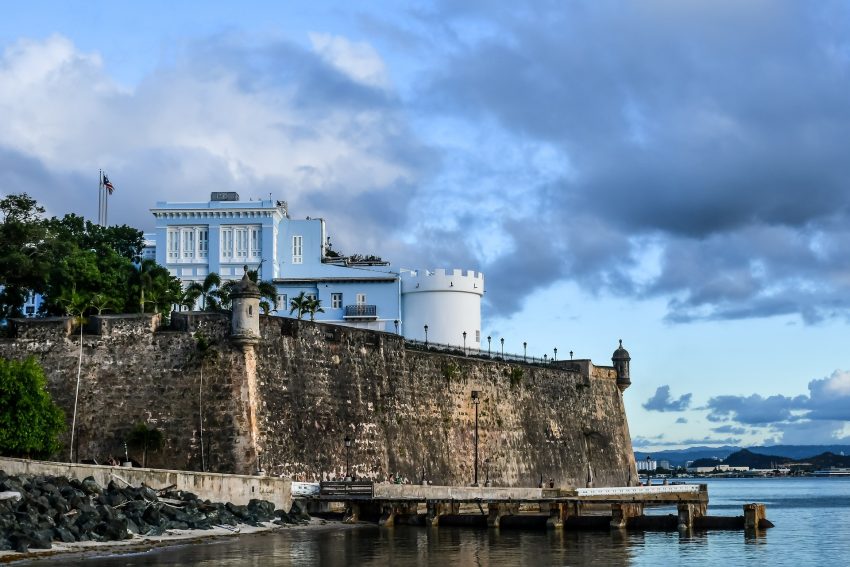
The island offers striking variety in a relatively small area: golden beaches, rainforest trails, limestone caves, and mountain towns with cooler air and sweeping views. San Juan, the capital, mixes colorful colonial-era streets with modern neighborhoods, nightlife, and a thriving arts scene. Beyond the city, you’ll find quiet fishing villages, surf spots, and scenic drives that showcase Puerto Rico’s natural beauty.
Puerto Rican culture is a highlight in itself, expressed through salsa and reggaetón, lively celebrations, and a cuisine that’s both comforting and bold. Local dishes often feature plantains, pork, rice, and tropical fruits, while markets and roadside kiosks add to the island’s everyday flavor. Whether you’re looking for relaxation, outdoor adventure, or cultural experiences, Puerto Rico offers a rich and memorable introduction to the Caribbean.
Table of Contents
- History of Puerto Rico
- Before 1493
- 1493–1598: Spanish conquest and early colony
- 1598–1797: Fortified frontier and a diverse society
- 1797–1898: Reform, plantation growth, and autonomy movements
- 1898–1917: Transition to U.S. rule
- 1917–1945: U.S. citizenship and political change
- 1946–1967: Commonwealth era and mass migration
- 1968–2005: Status debates and economic restructuring
- 2006–2016: Fiscal crisis and oversight
- 2017–present: Hurricanes, recovery, and renewed status questions
- Best Time to Visit Puerto Rico
- Food and Drink from Puerto Rico
History of Puerto Rico
Puerto Rico’s history is shaped by Indigenous roots, Spanish colonization, African enslavement, shifting imperial power, U.S. rule, and ongoing debates over political status, identity, and economic development.
Before 1493
Puerto Rico was inhabited for thousands of years by Indigenous peoples, including the Taíno (Arawak-speaking) communities who developed villages, agriculture (notably cassava), trade networks, and complex social and spiritual traditions. The island was known as Borikén (or Borinquén), a name that remains central to Puerto Rican identity.
1493–1598: Spanish conquest and early colony
Christopher Columbus reached the island in 1493. Spain began colonization in the early 1500s, establishing Caparra and then San Juan. Indigenous populations declined catastrophically due to disease, forced labor, warfare, and displacement. To meet labor demands, Spanish colonists increasingly relied on enslaved Africans, whose descendants profoundly shaped Puerto Rico’s culture, music, language, and religious life. San Juan became a strategic military and commercial outpost in Spain’s Caribbean empire.
1598–1797: Fortified frontier and a diverse society
Because of its strategic location, Puerto Rico was repeatedly attacked by rival European powers. Spain fortified San Juan with major defenses, including El Morro and San Cristóbal. The island remained less economically central than some sugar-heavy colonies, but agriculture expanded over time, and a mixed society developed—Indigenous, African, and European influences blending amid rigid colonial hierarchies.
1797–1898: Reform, plantation growth, and autonomy movements
In the 19th century, Puerto Rico’s economy shifted toward export agriculture—especially sugar, coffee, and tobacco—driven by global markets and plantation expansion. Spain introduced reforms at various moments, including limited local representation. Enslavement persisted until abolition in 1873, after which labor systems and rural life changed but inequality remained. Political organizing grew, including demands for greater autonomy and rights. Spain granted the island a form of autonomous government in 1897, but it was short-lived.
1898–1917: Transition to U.S. rule
During the Spanish–American War in 1898, the United States invaded Puerto Rico. Spain ceded the island to the U.S., ending four centuries of Spanish rule. The new administration reorganized government and the economy, and U.S. companies gained significant influence, particularly in sugar. Puerto Ricans faced a new colonial relationship, with limited self-government and shifting legal status.
1917–1945: U.S. citizenship and political change
In 1917, the Jones Act granted U.S. citizenship to Puerto Ricans and restructured the island’s government, while keeping ultimate authority in U.S. federal hands. Puerto Ricans served in the U.S. military in large numbers, especially during World War I and World War II. Political movements ranged from those seeking independence to those favoring closer ties with the U.S. or greater self-government.
1946–1967: Commonwealth era and mass migration
After World War II, Puerto Rico underwent major political and economic transformation. In 1952, it became a Commonwealth (Estado Libre Asociado), adopting its own constitution and gaining greater local self-rule, though Congress retained broad authority. Economically, industrialization policies shifted the island from an agricultural base toward manufacturing and urbanization. These changes coincided with large-scale migration to the U.S. mainland—especially to New York and other cities—creating a powerful Puerto Rican diaspora that remains deeply connected to the island.
1968–2005: Status debates and economic restructuring
Puerto Rico’s politics increasingly centered on the question of status: statehood, independence, or continuation/modification of the commonwealth arrangement. Several plebiscites were held over the decades, reflecting divided public opinion and complex ballot designs. Meanwhile, the economy evolved with global competition, changes in tax policy, and growing public debt. Cultural life flourished in music, literature, and activism, with island and diaspora influences continually shaping each other.
2006–2016: Fiscal crisis and oversight
A prolonged fiscal crisis intensified after government shutdowns and recessionary pressures. Mounting debt and constrained economic growth led to a major turning point in 2016, when the U.S. established a federal oversight board to supervise Puerto Rico’s finances. This period sharpened debates about democracy, self-determination, and the limits of the island’s autonomy under U.S. territorial status.
2017–present: Hurricanes, recovery, and renewed status questions
In 2017, Hurricane Maria caused catastrophic damage to infrastructure, housing, and the power grid, and the recovery exposed deep vulnerabilities and inequalities. Subsequent years saw continued outmigration, reconstruction efforts, and political upheaval, including mass protests that reflected public anger over corruption and governance failures. Additional plebiscites and congressional proposals have kept the status question in the spotlight, but no definitive change has been enacted. Today, Puerto Rico remains a U.S. territory with a distinct national identity, a global diaspora, and an ongoing struggle to balance self-government, economic stability, and political rights.
Best Time to Visit Puerto Rico
Visiting Puerto Rico in Winter (Best)
Winter (December–February) is the most popular time to visit Puerto Rico thanks to warm, sunny days, lower humidity, and minimal rainfall—ideal for beach time, snorkeling, and exploring Old San Juan. It’s also peak season, so expect higher prices and book flights and hotels early.
Festival highlights:
- San Sebastián Street Festival (San Juan, January): One of Puerto Rico’s biggest cultural celebrations with music, dancing, crafts, and parades.
- Three Kings Day (January 6): Celebrated across the island with local traditions, events, and family-friendly festivities.
Visiting Puerto Rico in Spring
Spring (March–May) offers excellent weather with plenty of sunshine, comfortable temperatures, and generally fewer crowds than winter—especially after March. It’s a great season for hiking in El Yunque, bioluminescent bay tours, and beach-hopping along the west coast.
Festival highlights:
- Semana Santa (Holy Week, March/April): Observed island-wide with religious events and local traditions; some businesses may have adjusted hours.
- Saborea Puerto Rico (San Juan, typically spring): A major food and drink event showcasing top local chefs and restaurants.
Visiting Puerto Rico in Summer
Summer (June–August) is hotter and more humid, with a higher chance of brief tropical showers. It’s a good time for travelers who want lively beach towns, longer daylight hours, and better deals than peak winter—just plan outdoor activities for mornings and keep an eye on weather forecasts.
Festival highlights:
- Noche de San Juan (June 23): A beloved tradition celebrated on beaches around the island, often with music and nighttime gatherings.
- Festival de Santiago Apóstol (Loíza, late July): A vibrant cultural festival known for music, dance, and iconic vejigante masks.
Visiting Puerto Rico in Fall
Fall (September–November) is the quietest season for tourism and often has the best bargains on accommodations. It’s also the heart of the Atlantic hurricane season (especially September and October), so flexibility and travel insurance can be especially helpful. By November, conditions typically improve while crowds remain lighter than winter.
Festival highlights:
- Puerto Rico Heineken JazzFest (San Juan, typically fall): A standout event for live music fans.
- Día de Acción de Gracias (November): A calmer travel period that can still offer great weather and value before the winter rush.
Food and Drink from Puerto Rico
Puerto Rican food and drink reflect a blend of Taíno, Spanish, and African influences, shaped by the island’s tropical climate and coastal geography. The cuisine is known for bold, savory flavors built from a base of sofrito—an aromatic mix typically made with onions, peppers, garlic, cilantro, and herbs—along with staples like rice, beans, plantains, and root vegetables. Meals often balance hearty comfort with bright, herbal notes, and many dishes are designed for sharing at family gatherings, holidays, and neighborhood celebrations.
One of the most recognizable foundations is arroz con gandules, rice cooked with pigeon peas and seasoned with sofrito, spices, and often pork for depth. Mofongo is another signature dish: fried green plantains mashed with garlic and cracklings, then shaped and served with broth, seafood, or meat. Pasteles—similar in spirit to tamales—are made from a masa of grated green banana and root vegetables, filled with seasoned meat, wrapped in banana leaves, and boiled, making them a centerpiece of festive seasons.
Puerto Rico’s coastline brings a strong seafood tradition, with dishes like bacalaítos (crispy codfish fritters) and asopao, a soupy rice dish that can feature chicken, shrimp, or crab. Lechón asado, slow-roasted pork with crisp skin, is especially associated with weekend gatherings and roadside lechoneras. Sides and snacks often highlight the island’s love of frituras, including alcapurrias (fried fritters of green banana and yautía filled with meat) and tostones (twice-fried plantain slices), frequently paired with tangy sauces.
Drinks range from everyday refreshers to iconic cocktails. Coquito, a creamy coconut drink spiced with cinnamon and often rum, is closely tied to holiday traditions, while fresh juices and fruit blends showcase ingredients like passion fruit, guava, tamarind, and pineapple. Puerto Rico is also famous for rum, and the piña colada is widely associated with the island’s bar culture and tourism. Coffee has a strong local presence as well, commonly enjoyed as a sweet, concentrated café that anchors mornings and social breaks.