Papua New Guinea: The Ultimate Travel Guide 2026
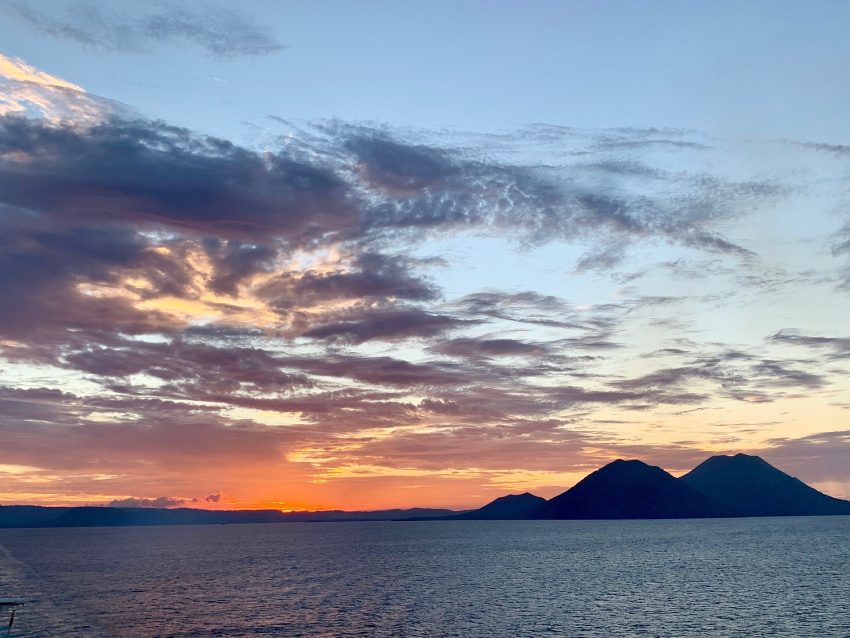
Papua New Guinea is a vibrant island nation in the southwestern Pacific, occupying the eastern half of the island of New Guinea along with hundreds of smaller islands. Known for its dramatic landscapes, it ranges from dense tropical rainforests and winding river systems to rugged mountain ranges and coral-fringed coastlines. Its location near the Coral Sea and the Bismarck and Solomon Seas gives it rich marine environments as well as striking coastal scenery.
One of the country’s defining features is its extraordinary cultural diversity. Papua New Guinea is home to hundreds of distinct communities, each with its own languages, traditions, and artistic expressions, making it one of the most linguistically diverse places on Earth. Daily life and identity are often closely tied to local land, clan, and custom, and cultural celebrations-featuring music, dance, and intricate dress-remain an important part of community life.
The capital, Port Moresby, is the main gateway for government, business, and international travel, while many people live in rural areas where subsistence gardening, fishing, and local trade are central to livelihoods. The economy includes agriculture, forestry, fisheries, and significant natural resources, alongside growing services in urban centers. For visitors, Papua New Guinea offers opportunities for trekking, wildlife watching, diving, and cultural tourism, with experiences shaped as much by its people as by its remarkable natural environment.
Table of Contents
- History of Papua New Guinea
- Deep human past
- Regional trade and early outside contact
- Colonial partition: German New Guinea and British/Australian Papua
- Australian control and the interwar period
- World War II in New Guinea
- Toward self-government
- Early independence and internal challenges
- Peace processes and political evolution
- Recent decades
- Best Time to Visit Papua New Guinea
- Food and Drink from Papua New Guinea
History of Papua New Guinea
Papua New Guinea’s history spans some of the earliest human settlement outside Africa, long periods of diverse Indigenous societies, colonial partition and administration, a major World War II battleground, and a late-20th-century transition to independence followed by ongoing nation-building amid great cultural and geographic diversity.
Deep human past (c. 50,000 years ago–1500s)
People reached the landmass that included present-day New Guinea tens of thousands of years ago, when lower sea levels connected it to Australia as part of Sahul. Over millennia, communities adapted to environments ranging from coastal lowlands and islands to rugged highlands. Agriculture developed early in the highlands—among the world’s earliest independent centers of plant cultivation—supporting dense populations and complex local exchange networks. Hundreds of distinct languages and cultural groups emerged, with social organization varying widely by region.
Regional trade and early outside contact (1500s–1800s)
Long before formal colonization, coastal and island communities traded with neighboring regions, including parts of what is now eastern Indonesia. European navigators began appearing in the 16th and 17th centuries, but sustained European presence remained limited for centuries. In the 19th century, intensified commercial and missionary activity brought deeper engagement, along with disease, labor recruitment, and growing foreign interest in territorial control.
Colonial partition: German New Guinea and British/Australian Papua (1880s–1914)
In the late 19th century, the island’s eastern half was divided between colonial powers. The northern portion and nearby islands became German New Guinea, while the southern portion became British New Guinea (later called Papua). Administration expanded unevenly, focusing on coastal centers and areas of economic interest. Plantations and extractive ventures grew, and colonial authorities and missions pushed new legal systems, Christianity, and schooling, often disrupting local authority structures and land use.
Australian control and the interwar period (1914–1941)
At the start of World War I, Australian forces occupied German New Guinea. After the war, Australia administered the former German territory under an international mandate, while Papua remained a separate Australian territory. The two areas were governed differently but increasingly linked through Australian oversight. In the 1930s, Australian patrols and prospectors entered many highlands regions more intensively, bringing rapid change—new administration, labor systems, and mission influence—into areas that had previously had little direct contact with colonial government.
World War II in New Guinea (1942–1945)
Papua and New Guinea became a major theater of World War II in the Pacific. Japanese forces advanced into parts of the territories, and fierce fighting occurred across difficult terrain, including the Kokoda Track campaign and battles around key coastal and airfield sites. The war brought massive disruption, loss of life, forced labor, and destruction, while also accelerating infrastructure development and exposing many Papua New Guineans to broader political and economic forces.
Toward self-government (1945–1975)
After the war, Australia combined administration of Papua and New Guinea, gradually expanding political participation and public services. A legislative system developed, education and local government grew, and a new generation of leaders emerged. Political parties formed, and debates intensified over the pace and shape of independence, balancing regional interests, economic capacity, and the challenge of uniting a highly diverse society. Self-government arrived in 1973, followed by full independence in 1975 as the Independent State of Papua New Guinea, with a parliamentary democracy and constitutional monarchy framework.
Early independence and internal challenges (1975–1990s)
The new state faced immediate tasks: building national institutions, extending services across remote areas, and managing a cash economy alongside customary land tenure and local governance. Tensions over resource development and regional autonomy grew. The most severe conflict emerged on Bougainville, where grievances tied to mining impacts, land, and political representation escalated into a violent civil conflict beginning in the late 1980s, causing significant casualties and displacement and straining the young nation’s institutions.
Peace processes and political evolution (1990s–2000s)
Efforts to end the Bougainville conflict led to ceasefires and negotiations, culminating in an autonomy arrangement and a pathway toward a future referendum on Bougainville’s political status. National politics remained competitive and often fragmented, with frequent leadership changes through parliamentary processes. Economic policy and governance debates centered on how to manage resource revenues, improve service delivery, and reduce corruption and violence.
Recent decades (2010s–present)
Papua New Guinea has pursued large-scale resource and infrastructure projects while grappling with uneven development, law-and-order concerns, and the logistical challenges of governing a mountainous, island-studded country with extraordinary linguistic and cultural diversity. Bougainville held a referendum in which an overwhelming majority favored independence; the result is subject to ratification and ongoing negotiations with the national government. Across the country, the central historical themes remain continuity of strong local identities, the legacy of colonial boundaries and institutions, and the ongoing effort to translate resource wealth and political independence into broad-based improvements in health, education, and livelihoods.
Best Time to Visit Papua New Guinea
Visiting Papua New Guinea in Summer (December–February)
Summer is the wettest time in Papua New Guinea, with higher humidity and heavier rainfall, especially in coastal and lowland areas. It can still be a rewarding period if you’re focused on lush landscapes, fewer crowds, and don’t mind weather-related disruptions. Expect occasional transport delays (particularly flights and road travel) and plan extra buffer days if you’re island-hopping or heading to more remote regions.
Visiting Papua New Guinea in Autumn (March–May)
Autumn is a strong shoulder season in Papua New Guinea as rainfall often begins to ease and conditions become more comfortable for travel. It’s a good time for a mix of cultural experiences and nature, with improving visibility for coastal activities and generally better trekking conditions than mid-wet season. If you’re aiming for a balance of decent weather, greener scenery, and manageable logistics, this is a reliable window.
Visiting Papua New Guinea in Winter (June–August) (Best)
Winter is typically the driest and most popular time to visit Papua New Guinea, bringing lower humidity and more dependable travel conditions. This is the best season for trekking (including higher-altitude routes), wildlife and birdwatching, diving and snorkeling with clearer water, and exploring cultural sites with fewer weather interruptions. It’s also a prime period for major cultural events—most notably the Mount Hagen Cultural Show (usually August), one of the country’s biggest festival highlights, drawing sing-sing groups from across the Highlands.
Visiting Papua New Guinea in Spring (September–November)
Spring remains a great time in Papua New Guinea, with many areas still relatively dry in September and October before the wetter conditions build later in the season. It’s well-suited to outdoor adventures and coastal trips, and it’s another excellent period for cultural festivals. A standout is the Goroka Show (typically September), a major Highlands celebration known for vibrant traditional dress, dancing, and music—often a key reason travelers choose this season.
Food and Drink from Papua New Guinea
Papua New Guinea’s food reflects its extraordinary cultural and ecological diversity, with most everyday meals built around locally grown staples. In many communities, root crops such as sweet potato (kaukau), taro, yam, and cassava form the base of the diet, alongside bananas and sago in lowland and swampy regions. These staples are typically paired with leafy greens like aibika (often called “PNG spinach”), pumpkin tips, ferns, and other foraged vegetables, creating hearty dishes that are filling and well suited to rural life.
Cooking methods are often simple but deeply traditional, especially the earth oven known as the mumu. In a mumu, hot stones are layered with meat, fish, and vegetables wrapped in leaves, then covered to steam and roast slowly, producing smoky, tender flavors. Coconut milk, ginger, garlic, and local herbs are common seasonings in coastal areas, while inland cooking may rely more on roasting, boiling, and greens-based stews. Pork is especially valued for feasts and ceremonies, while chicken, fish, shellfish, and wild game appear depending on region and availability.
Coastal and island cuisines lean heavily on seafood and coconut, with grilled fish, crab, and prawns frequently served with greens and starchy sides. Sago—processed from the sago palm—can be eaten as a porridge, baked into cakes, or cooked into dense, filling portions that travel well. In towns and along highways, you’ll also find market foods such as roasted corn, fried dough snacks, and plates of rice with tinned fish or meat, reflecting both convenience and the influence of imported goods.
Drinks in Papua New Guinea range from everyday options like tea and instant coffee to fresh coconut water and fruit juices made from pineapple, mango, and other tropical produce. In some areas, sugarcane is chewed for its sweet juice, and locally made fermented drinks may be prepared for special occasions. Modern PNG also has a growing café and restaurant scene in larger centers, where local ingredients are increasingly showcased alongside international fare, blending tradition with contemporary tastes.