Palestinian Territories: The Ultimate Travel Guide 2026
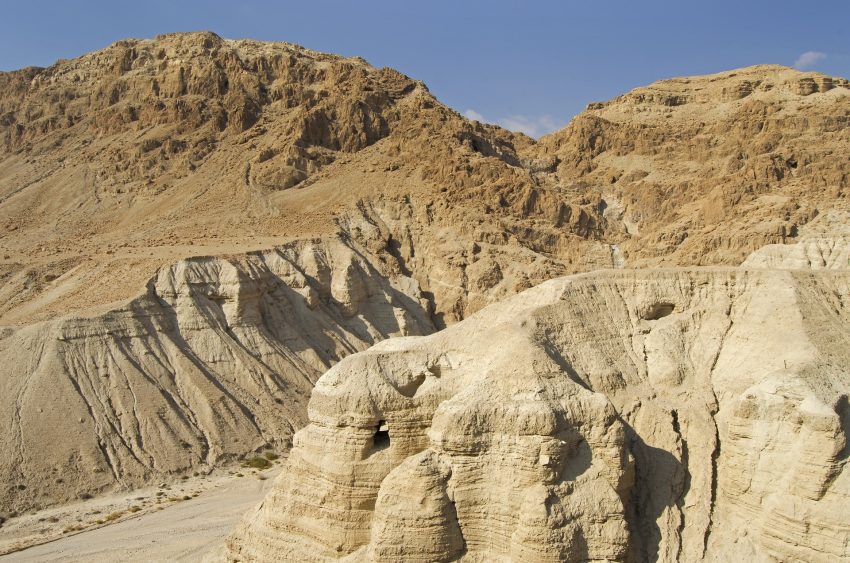
The Palestinian Territories refer primarily to two geographically separate areas in the eastern Mediterranean: the West Bank, including East Jerusalem, and the Gaza Strip. Situated between Israel and Jordan, and along the Mediterranean coast, these territories are home to a diverse population and a landscape that ranges from dense urban centers to agricultural valleys and arid hills. Their location at the crossroads of major cultural and trade routes has long shaped daily life, movement, and regional connections.
Today, the Palestinian Territories are characterized by a complex political and administrative reality, with governance and security arrangements differing between the West Bank and Gaza. Daily life is influenced by factors such as access to services, movement between communities, and the operation of local institutions, alongside the presence of international organizations and humanitarian agencies. Despite these challenges, Palestinian society maintains vibrant civic, educational, and cultural life, expressed through community networks, universities, arts, and media.
Economically, the territories include a mix of public-sector employment, small businesses, agriculture, and growing entrepreneurial and tech initiatives, alongside significant reliance on external trade and aid. Cities such as Ramallah, Nablus, Hebron, and Gaza City serve as key hubs for commerce and culture, while smaller towns and refugee camps reflect different living conditions and community structures. Across both areas, traditions of hospitality, cuisine, and family life remain central, contributing to a strong sense of identity and social cohesion.
Table of Contents
- History of Palestinian Territories
- Ancient and Classical eras
- Early Islamic to late medieval period
- Ottoman period
- British Mandate
- 1948–1967: Division between Jordan and Egypt
- 1967–1993: Israeli occupation and the rise of organized Palestinian nationalism
- 1993–2000: Oslo process and the Palestinian Authority
- 2000–2007: Second Intifada and political fracture
- 2007–present: Split governance, blockade, and recurring wars
- Recent years: Intensified crisis and uncertain political horizon
- Best Time to Visit Palestinian Territories
- Food and Drink from Palestinian Territories
History of Palestinian Territories
Ancient and Classical eras (to 7th century CE)
The area that today includes the West Bank (including East Jerusalem) and the Gaza Strip sits at a crossroads of empires and trade routes. In antiquity it was home to Canaanite city-states and later came under the influence or control of successive powers, including the Israelites and Judahites, Assyrians, Babylonians, Persians, and the Hellenistic kingdoms that followed Alexander the Great. Under Roman rule, Judea experienced major upheavals, including revolts and harsh repression, and the region’s demographic and religious landscape continued to evolve through the late Roman and Byzantine periods, with Christianity becoming prominent.
Early Islamic to late medieval period (7th–15th centuries)
In the 7th century, Arab Muslim armies incorporated the region into the expanding Islamic caliphates. Arabic language and Islamic institutions became increasingly central, while Christian and Jewish communities remained present. Control shifted among dynasties over time. During the Crusader period, parts of the area were contested and governed by Crusader states before being reconquered by Muslim powers, notably under the Ayyubids and later the Mamluks. Cities, pilgrimage routes, and agricultural villages formed the backbone of local life, with periodic disruption from warfare and changing rulers.
Ottoman period (1516–1917)
The Ottoman Empire incorporated the region in the early 16th century. Administration was organized through provincial structures that changed over time, and local notable families, religious institutions, and village networks played important roles in governance and society. The 19th century brought reforms, new land and administrative policies, and growing European involvement through consulates, missions, and commerce. Toward the end of Ottoman rule, modern political identities and movements in the broader region began to take clearer shape, including Arab nationalism and Zionism, alongside increasing Jewish immigration to parts of Palestine.
British Mandate (1917–1948)
During World War I, British forces took control, and the League of Nations later granted Britain the Mandate for Palestine. This period saw intensified political conflict between Arab Palestinians and the growing Jewish community (Yishuv), shaped by competing national aspirations, immigration, land purchases, and British policy. Major episodes included the Arab Revolt (1936–1939), British repression and policy shifts, and increasing violence in the 1940s as the Mandate unraveled. In 1947, the UN proposed a partition plan; fighting escalated, and Britain ended the Mandate in 1948.
1948–1967: Division between Jordan and Egypt
The 1948 war led to the displacement of large numbers of Palestinians (an event Palestinians refer to as the Nakba) and the creation of the State of Israel. The West Bank, including East Jerusalem, came under Jordanian control and was later annexed by Jordan, while the Gaza Strip came under Egyptian administration. Palestinian political life continued in exile and under these administrations, with refugee camps becoming a defining feature in Gaza and parts of the West Bank.
1967–1993: Israeli occupation and the rise of organized Palestinian nationalism
In the 1967 war, Israel captured the West Bank (including East Jerusalem) and Gaza. Israel established a military administration in these territories, and over time Israeli settlements expanded in the West Bank and East Jerusalem. Palestinian national institutions consolidated, with the Palestine Liberation Organization (PLO) becoming the leading representative of Palestinian nationalism internationally. The First Intifada (1987–1993), a mass uprising against occupation, reshaped politics and helped push the parties toward negotiations.
1993–2000: Oslo process and the Palestinian Authority
The Oslo Accords created the Palestinian Authority (PA) and introduced limited Palestinian self-rule in parts of the West Bank and Gaza, alongside a framework intended to lead to a final-status agreement. The West Bank was divided into Areas A, B, and C with differing levels of Palestinian and Israeli control. Despite moments of cooperation and institution-building, the process was undermined by continued settlement expansion, violence, political mistrust, and unresolved core issues such as borders, Jerusalem, refugees, and security.
2000–2007: Second Intifada and political fracture
The Second Intifada (2000–2005) brought intense violence, Israeli military operations, and severe economic and social disruption. Israel began constructing a separation barrier in and around the West Bank. In 2005, Israel unilaterally withdrew its settlements and permanent ground forces from Gaza while retaining control over Gaza’s airspace, maritime access, and most crossings. Palestinian politics shifted sharply after Hamas won the 2006 legislative elections, followed by escalating internal conflict.
2007–present: Split governance, blockade, and recurring wars
Since 2007, Hamas has governed Gaza while the PA, dominated by Fatah, has administered parts of the West Bank. Israel and Egypt imposed a blockade on Gaza, with restrictions that have profoundly affected daily life and the economy. Gaza has experienced multiple major rounds of conflict between Israel and armed groups, causing extensive casualties and destruction. In the West Bank, Israeli settlement growth, military raids, Palestinian attacks, and periodic escalations have continued, alongside ongoing constraints on movement and governance under the occupation framework.
Recent years: Intensified crisis and uncertain political horizon
The political split between Gaza and the West Bank has persisted, and efforts at reconciliation have repeatedly stalled. Diplomatic initiatives have not produced a final-status agreement, while conditions on the ground have continued to change through settlement expansion, shifts in Israeli and Palestinian politics, and regional dynamics. The 2023–2024 Gaza war marked a severe escalation with massive humanitarian impact, and it further destabilized the West Bank and the broader region. The status of the Palestinian territories remains one of the most contested and unresolved issues in international politics, with Palestinians divided between life under occupation in the West Bank, blockade and repeated conflict in Gaza, and large diaspora and refugee communities across the Middle East and beyond.
Best Time to Visit Palestinian Territories
Visiting Palestinian Territories in Spring (Best)
Spring (March to May) is one of the most comfortable and scenic times to visit the Palestinian Territories, with mild temperatures and greener landscapes. It’s ideal for walking-heavy itineraries in places like Bethlehem, Ramallah, Jericho, and the hills around Nablus, as well as for enjoying outdoor cafés and markets without peak summer heat. Festival highlights can include Easter celebrations in Bethlehem and Jerusalem-area churches (dates vary by year and denomination), which draw visitors for processions, services, and a lively atmosphere.
Visiting Palestinian Territories in Summer
Summer (June to August) is hot and dry, especially in lower-elevation areas like Jericho and the Jordan Valley, where daytime temperatures can be extreme. Hill cities such as Ramallah, Bethlehem, and parts of Hebron tend to be more manageable, particularly in the evenings. This is a good season if you prefer long daylight hours and don’t mind planning around the heat—early starts, midday breaks, and late dinners help a lot. Festival highlights may include local cultural events and outdoor concerts, which are more common in summer, though schedules vary by city and year.
Visiting Palestinian Territories in Autumn
Autumn (September to November) brings cooler temperatures and a return to comfortable sightseeing conditions, making it a strong alternative to spring. The countryside is still dry early in the season, with more greenery appearing later as rains begin. It’s a good time for city exploration, day trips, and hiking in the central highlands without the intensity of summer sun. Festival highlights can include harvest-related local celebrations in some communities, and cultural programming often picks up again after summer.
Visiting Palestinian Territories in Winter
Winter (December to February) is the coolest and wettest season. Expect rain, occasional cold snaps, and fewer crowds, which can be a plus for visiting major sites at a slower pace. Snow is uncommon but can occur in higher elevations. This season suits travelers who don’t mind packing layers and planning around weather, focusing more on museums, historic centers, and food experiences. Festival highlights include Christmas celebrations in Bethlehem (late December into early January), a major seasonal draw with events and a festive atmosphere.
Food and Drink from Palestinian Territories
Food and drink in the Palestinian Territories reflect a Levantine pantry shaped by seasonality, village agriculture, and a deep culture of hospitality. Olive oil is central—used for cooking, dressing, and dipping—alongside wheat, legumes, yogurt, and abundant herbs like za’atar (wild thyme blend), mint, and parsley. Meals often balance fresh vegetables with hearty staples, and home cooking remains a point of pride, with recipes passed through families and adapted to what’s available in local markets.
Classic dishes include musakhan, a celebratory meal of sumac-spiced onions and roasted chicken layered over taboon bread and lavishly finished with olive oil and toasted pine nuts. Maqluba (“upside-down”) is another beloved centerpiece: rice cooked with meat and vegetables such as eggplant or cauliflower, then flipped onto a platter for serving. Everyday tables commonly feature lentil soups, mujaddara (lentils and rice with caramelized onions), stuffed vegetables (malfouf cabbage rolls, or grape leaves when in season), and a spread of small plates like hummus, mutabbal (eggplant dip), labneh, and chopped salads.
Bread and grains anchor daily eating, with taboon and saj breads used to scoop dips, wrap fillings, or accompany stews. Street foods and quick bites are also popular, including falafel, shawarma, and manaqish—flatbreads topped with za’atar and olive oil or cheese. Pickles, olives, and seasonal produce—tomatoes, cucumbers, citrus, figs, and pomegranates—add brightness, while spices like allspice, cinnamon, cumin, and especially sumac give Palestinian cooking its distinctive tang and warmth.
Sweets and drinks round out the food culture with both everyday comforts and festive treats. Kanafeh—layers of shredded pastry or semolina with sweet cheese, soaked in syrup and often topped with pistachios—is a standout, alongside ma’amoul (date-filled cookies) and other syrupy pastries. Tea is the default welcome, frequently brewed strong and served sweet, while Arabic coffee is offered in more formal moments. In warmer months, people enjoy drinks like mint lemonade, tamarind, or carob-based beverages, and dairy drinks such as laban, all reflecting a preference for refreshing flavors that pair well with rich, olive-oil-forward meals.