Palau: The Ultimate Travel Guide 2026
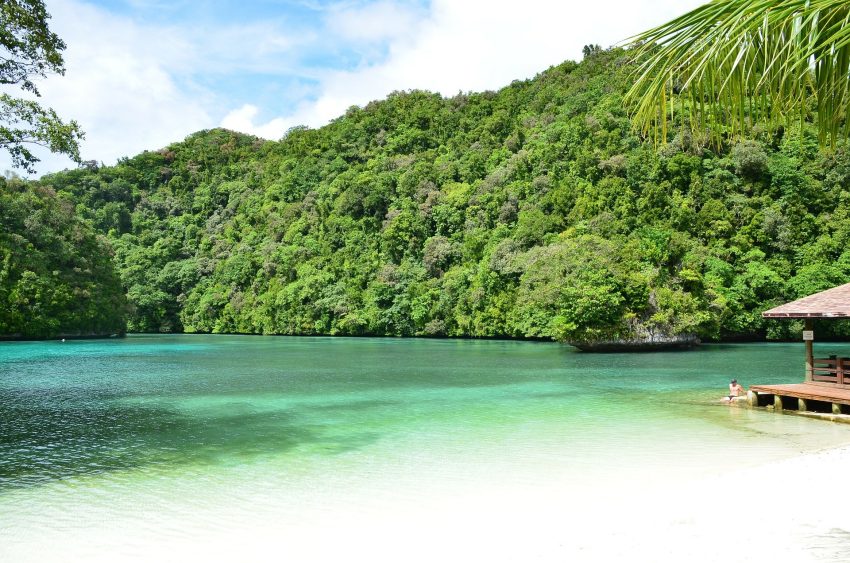
Palau is a small island nation in the western Pacific Ocean, known for its vivid blue waters, lush tropical landscapes, and a relaxed, welcoming pace of life. Made up of hundreds of islands and islets, it offers everything from palm-fringed beaches and limestone rock formations to dense forests and quiet inland lagoons. Though compact in size, Palau feels expansive in experience, with scenery that shifts quickly from coastal vistas to jungle-covered hills.
One of Palau’s biggest draws is its marine environment, celebrated for clear visibility, thriving coral reefs, and abundant sea life. Snorkelers and divers come for colorful reef walls, manta rays, sea turtles, and schools of fish, while kayakers and boaters explore sheltered bays and maze-like island clusters. Even if you stay on land, the ocean is never far away-sunsets, sea breezes, and waterfront viewpoints are part of everyday life.
Beyond the water, Palau offers a blend of local culture and modern comforts in a setting that remains refreshingly uncrowded. The main hub, Koror, provides places to eat, shop, and arrange excursions, while nearby islands invite hiking, swimming, and scenic drives. Whether you’re seeking adventure, nature, or simple downtime, Palau is an easy place to slow down and soak in the beauty around you.
Table of Contents
History of Palau
Palau is an island nation in western Micronesia whose history spans early Austronesian settlement, centuries of regional exchange, successive colonial administrations, wartime upheaval, and a late-20th-century transition to self-government and independence in free association with the United States.
Early settlement and traditional society (c. 1500 BCE–1500s)
Archaeological evidence indicates Palau was settled by Austronesian-speaking peoples thousands of years ago. Communities developed complex chiefly systems, strong clan structures (often matrilineal in inheritance and land rights), and extensive knowledge of navigation and reef-based subsistence. Inter-island relationships linked Palau to wider Micronesian networks through voyaging, marriage ties, and exchange.
First sustained European contact (1500s–1800s)
Spanish explorers reached the region in the 16th century, but for a long time European involvement remained intermittent. Over the 18th and 19th centuries, Palau increasingly encountered foreign ships—traders, whalers, and missionaries—bringing new goods and diseases and reshaping local power dynamics. Christianity gained a foothold, and external commerce expanded, though local chiefly authority and customary land tenure remained central.
Spanish rule and the shift to Germany (1885–1914)
Spain asserted formal claims over the Caroline Islands in the late 19th century, including Palau, but its administrative presence was limited. After Spain’s defeat in the Spanish–American War, Spain sold the Caroline Islands to Germany in 1899. Under German administration, Palau saw more structured colonial governance and commercial development, including copra production, alongside efforts to regulate land and labor. These changes interacted unevenly with customary systems and local leadership.
Japanese administration (1914–1944)
Japan occupied Palau during World War I and later administered it under a League of Nations mandate (the South Seas Mandate). This period brought major demographic and economic change: large-scale immigration from Japan and other parts of the empire, expanded infrastructure, and the growth of towns and industry. Japanese became prominent in administration and schooling, and Palau was integrated into Japan’s regional economic and strategic planning. By the late 1930s and early 1940s, militarization intensified as war approached.
World War II and the Battle of Peleliu (1944)
Palau became a major battlefield in 1944, most famously on Peleliu, where intense fighting caused heavy military casualties and severe disruption to local communities. The war left lasting physical and social impacts, including destroyed infrastructure, displacement, and the long-term presence of wartime wrecks and unexploded ordnance.
U.S. administration under the Trust Territory (1947–1981)
After the war, Palau came under U.S. administration as part of the United Nations Trust Territory of the Pacific Islands. The period featured expanded public services, new political institutions, and increasing engagement with global systems of education and employment. At the same time, Palauans debated how to protect land, culture, and political autonomy while navigating dependence on U.S. funding and oversight.
Self-government and constitutional development (1981–1994)
Palau adopted its own constitution in 1981, establishing a republican system with an elected president and bicameral legislature. A defining issue of the era was the proposed Compact of Free Association with the United States, including debates over defense arrangements and Palau’s constitutional provisions—particularly those related to nuclear issues. Political contention and repeated plebiscites marked the long path toward finalizing the compact.
Independence in free association (1994–present)
Palau became fully sovereign on October 1, 1994, entering into the Compact of Free Association with the United States. The compact framework has shaped Palau’s security relationship and significant portions of its public finance while Palau has pursued its own foreign policy and development priorities. In recent decades, Palau has emphasized marine conservation and environmental stewardship, expanded tourism as a key economic sector, and navigated the challenges of climate change, infrastructure needs, and balancing relationships with major powers in the Pacific.
Best Time to Visit Palau
Visiting Palau in Winter (Best)
Winter (roughly December to February) is often the most comfortable time to visit Palau, with warm days, lower humidity, and generally pleasant conditions for being on the water. Seas are frequently calmer, visibility for snorkeling and diving is often excellent, and it’s a great season for island-hopping, kayaking in the Rock Islands, and lagoon activities without the peak heat.
Visiting Palau in Spring
Spring (roughly March to May) is a strong shoulder season in Palau, balancing good weather with slightly fewer crowds than the busiest periods. Water activities remain a major highlight—diving, snorkeling, and paddle sports are typically very enjoyable—and it’s a good time for travelers who want favorable conditions while avoiding the most in-demand travel windows.
Visiting Palau in Summer
Summer (roughly June to August) tends to be warmer and more humid, with a higher chance of rain showers. That said, Palau is a year-round destination, and summer can still be rewarding if you’re flexible with daily plans—many days include sunshine between showers. It can also be a good time to find better availability and potentially lower prices, while still enjoying world-class reefs and lagoons.
Visiting Palau in Autumn
Autumn (roughly September to November) can bring more variable weather, with rain and occasional rougher seas more likely than in the drier months. If you’re planning a trip in autumn, it helps to prioritize activities that can adapt to conditions (for example, choosing dive sites based on daily visibility and swell). Cultural events and local celebrations can be a highlight at various times of year, so it’s worth checking Palau’s event calendar for festival dates that may align with your travel window.
Food and Drink from Palau
Palau’s food and drink reflect its island geography, rich reefs, and long history of exchange with neighboring Micronesian cultures and later outside influences. Meals often center on what can be gathered or caught locally—fish, shellfish, and reef species—paired with starchy staples and tropical produce. Home cooking is common, and communal eating plays an important role at family events, village gatherings, and celebrations, where large platters and shared dishes are typical.
Seafood is a cornerstone of Palauan cuisine, prepared in ways that highlight freshness: grilled, pan-fried, simmered in broths, or served with simple seasonings and sauces. Tuna and other pelagic fish are popular, alongside reef fish when available, and coconut is frequently used to add richness to soups and stews. Smoked or dried fish may appear in some households, and seaweed and shellfish can feature depending on season and access, reflecting the close relationship between daily life and the ocean.
Alongside seafood, Palauans rely on filling, locally grown staples such as taro, cassava, sweet potato, breadfruit, and bananas. Taro is especially important and can be boiled, mashed, or incorporated into hearty dishes, while coconut milk and grated coconut add flavor and calories. Tropical fruits—papaya, mango, pineapple, and citrus—are enjoyed fresh or used in desserts and drinks, and many meals include a mix of cooked vegetables and greens that balance the richness of coconut-based preparations.
Drinks in Palau range from everyday refreshments to celebratory options. Fresh coconut water is a natural favorite, and fruit juices and iced drinks are common in the heat, alongside coffee and tea. In social settings, imported soft drinks and beers are widely available, and gatherings may feature a mix of local and international beverages. Overall, Palau’s food and drink combine ocean-sourced ingredients, garden staples, and tropical flavors into a cuisine that is practical, communal, and deeply tied to island life.