Oman: The Ultimate Travel Guide 2026
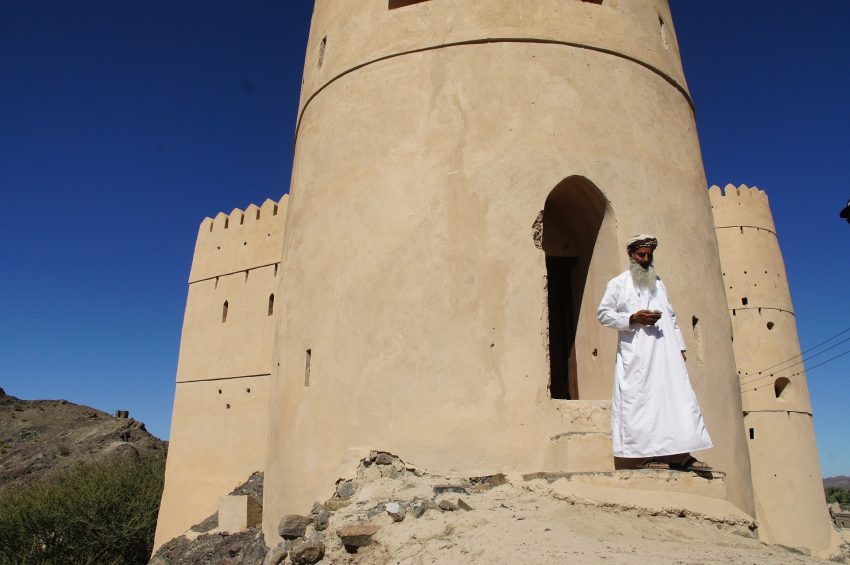
Oman is a captivating country on the southeastern edge of the Arabian Peninsula, where dramatic mountains, sweeping deserts, and a long coastline meet the warm waters of the Arabian Sea. Its landscapes are strikingly varied-think rugged peaks, palm-filled oases, and pristine beaches-making it a rewarding destination for travelers who enjoy both nature and culture in the same trip.
The country’s cities and towns blend tradition with a calm, contemporary rhythm. Muscat, the capital, is known for its waterfront setting, elegant architecture, and lively souqs, while smaller communities offer a slower pace and a closer look at everyday Omani life. Across the country, you’ll find a strong sense of hospitality, with local customs and etiquette shaping a welcoming atmosphere for visitors.
Oman is also well suited to outdoor exploration, from hiking in the Hajar Mountains to swimming in clear wadis and spotting wildlife along the coast. Its food reflects regional flavors-simple, aromatic dishes often centered on rice, grilled meats, seafood, and dates-best enjoyed alongside Omani coffee. Whether you’re after scenic road trips, cultural experiences, or quiet coastal escapes, Oman offers a distinctive and refreshingly unhurried experience.
Table of Contents
History of Oman
Oman’s history is shaped by its position on the Indian Ocean, its long maritime traditions, and a distinctive political evolution that blended tribal authority, religious leadership, and later a centralized sultanate.
Early Oman (prehistory–6th century CE)
Archaeological evidence shows human settlement in Oman from deep prehistory, with important Bronze Age cultures linked to regional trade. Ancient Mesopotamian texts refer to “Magan,” often associated with the Oman Peninsula, known for copper and seafaring. Coastal communities participated in Indian Ocean exchange networks connecting Arabia, Persia, the Indus region, and East Africa. Over time, oasis agriculture expanded in the interior, supported by sophisticated water-management systems, including early forms of the aflaj (irrigation channels) that later became central to settlement patterns.
Islam and the rise of the Imamate (7th–15th centuries)
Islam reached Oman in the 7th century, and the region developed a distinctive religious and political tradition associated with Ibadi Islam. A recurring feature of Omani history became the tension—and periodic accommodation—between an elected or consensus-based religious leadership (the Imamate), often rooted in the interior tribes, and hereditary rulers who tended to dominate coastal centers and trade. Oman’s ports benefited from commerce across the Indian Ocean, while the interior maintained strong tribal structures and local autonomy.
Portuguese and regional rivalry (16th–17th centuries)
In the early 1500s, the Portuguese entered the Indian Ocean and established a strategic presence along key maritime routes, taking control of several coastal strongholds, including Muscat. Their goal was to dominate trade and secure naval advantage. Omani forces, aided by shifting regional alliances and the resurgence of local leadership, gradually pushed back. By the mid-17th century, the Ya‘ariba dynasty consolidated power and expelled the Portuguese, marking a turning point that reasserted Omani control of its coastline and sea lanes.
Omani maritime empire (17th–19th centuries)
After expelling the Portuguese, Oman expanded as a naval and commercial power. Omani influence spread along the coasts of East Africa and into parts of the western Indian Ocean. Under the Al Bu Sa‘id dynasty, founded in the mid-18th century, Oman stabilized after internal conflicts and continued to project maritime power. In the 19th century, Sultan Sa‘id bin Sultan moved the center of his empire’s commercial gravity toward East Africa, famously establishing Zanzibar as a major hub. This period saw Oman deeply integrated into Indian Ocean trade, including commodities such as dates, cloves, and enslaved people—an institution that was later curtailed under international pressure and changing economic realities.
Division and external pressures (mid-19th–early 20th centuries)
After Sa‘id bin Sultan’s death in 1856, succession disputes contributed to the separation of the Omani realm into two main spheres: the Sultanate in Muscat and Oman proper, and a separate sultanate in Zanzibar. Meanwhile, European imperial competition in the region increased, and Oman’s autonomy was constrained by treaties, debt, and strategic dependence. Internally, the longstanding coastal–interior political divide persisted, with periods when the Imamate reasserted authority in the interior while the sultan’s influence centered on the coast.
The 20th century: consolidation and modernization (1920s–1970)
In the early 20th century, Oman experienced recurring internal conflict over governance and sovereignty between the sultanate and the interior Imamate. By the mid-century, the discovery and growing importance of oil heightened the stakes of territorial control and state consolidation. The Jebel Akhdar conflict in the 1950s reflected these tensions and ended with the sultanate strengthening its authority over the interior. Despite consolidation, Oman remained relatively isolated and underdeveloped compared with many neighbors, with limited infrastructure and public services.
The modern Omani state (1970–present)
A major transformation began in 1970 when Sultan Qaboos bin Said came to power. His reign focused on building state institutions, expanding education and healthcare, developing infrastructure, and integrating previously isolated regions. The Dhofar insurgency, which had challenged the state in the south, was defeated in the 1970s, helping unify the country under a stronger central government.
Oman pursued a foreign policy known for pragmatism and mediation, maintaining relations across regional divides and emphasizing internal stability. Economic development accelerated with oil revenues, while long-term planning increasingly emphasized diversification beyond hydrocarbons.
In 2020, Sultan Haitham bin Tariq succeeded Sultan Qaboos, continuing a focus on administrative reform, fiscal restructuring, and economic diversification, while maintaining Oman’s characteristic diplomatic approach and emphasis on cohesion in a complex regional environment.
Best Time to Visit Oman
Visiting Oman in Winter (Best)
Winter (roughly December to February) is the most comfortable time to visit Oman, with mild days and cooler nights—ideal for Muscat sightseeing, desert camping in Wahiba Sands, hiking in the Hajar Mountains, and exploring wadis without extreme heat. It’s also a great season for beach time along the coast, as temperatures are generally pleasant rather than scorching. Festival highlight: Muscat Festival (typically January–February) is a major draw, featuring cultural performances, food, crafts, and family-friendly events.
Visiting Oman in Spring
Spring (roughly March to May) is a strong shoulder season: early spring still feels comfortable for outdoor activities, while late spring starts warming up significantly—especially inland. It’s a good time for coastal road trips, dolphin-watching, and visiting mountain areas like Jebel Akhdar before summer heat peaks. Festival highlight: Ramadan and Eid dates vary each year; if your trip overlaps, expect a more subdued daytime atmosphere and lively evenings, with special foods and celebrations around Eid.
Visiting Oman in Summer
Summer (roughly June to August) is the hottest period across much of Oman, making midday sightseeing challenging in Muscat and inland regions. However, it can be an excellent time if you plan around the heat—focusing on early mornings, evenings, coastal escapes, and higher elevations. Festival highlight: Khareef season in Salalah (typically June–September) transforms Dhofar with cooler temperatures, misty weather, and green landscapes; the Khareef Festival (often July–August) is a major seasonal highlight with events, markets, and performances.
Visiting Oman in Autumn
Autumn (roughly September to November) is another excellent time to visit Oman, especially from October onward when temperatures ease and outdoor activities become comfortable again. It’s ideal for desert trips, hiking, and combining city, coast, and mountain stops without winter crowds. Early autumn can still be warm, but conditions steadily improve as the season progresses. Festival highlight: Oman National Day celebrations (November 18) can be a standout, with decorations, events, and a festive atmosphere in many areas.
Food and Drink from Oman
Omani food reflects a blend of Arabian, Indian, and East African influences shaped by centuries of trade across the Indian Ocean. Meals often center on rice, wheat breads, and slow-cooked meats, with flavors built from warm spices such as cardamom, cumin, cloves, cinnamon, and dried limes. Hospitality is a defining feature of dining culture, and sharing food—whether at home, in a majlis, or at celebrations—remains an important social ritual.
One of the most iconic dishes is shuwa, lamb or goat marinated with spices and cooked for many hours in an underground sand oven, producing tender meat with deep, smoky aromas. Another well-known staple is majboos (also called kabsa), spiced rice served with chicken, lamb, or fish, often accompanied by salad and yogurt. Harees, a comforting porridge-like dish of wheat and meat, is especially common during Ramadan and festive occasions, while grilled meats and skewers are popular at casual gatherings and markets.
Seafood plays a major role along Oman’s long coastline, with kingfish, tuna, sardines, and shrimp frequently appearing on the table. Fish may be grilled simply with lemon and spices, cooked into fragrant rice dishes, or served with sauces that highlight tamarind, chilies, and herbs. Dates are a daily staple and a symbol of welcome, commonly offered to guests and used in desserts, syrups, and fillings, alongside nuts and sesame.
Oman’s drinks are closely tied to its traditions of welcome and refreshment in a hot climate. Kahwa (Omani coffee) is lightly roasted and often infused with cardamom, served in small cups and typically paired with dates. Tea is also widely enjoyed, including spiced karak-style tea influenced by South Asian communities. For something cooling, Omanis often turn to laban (a salted yogurt drink) and fresh juices, while rosewater and saffron flavors appear in celebratory sweets and beverages.