Niue: The Ultimate Travel Guide 2026
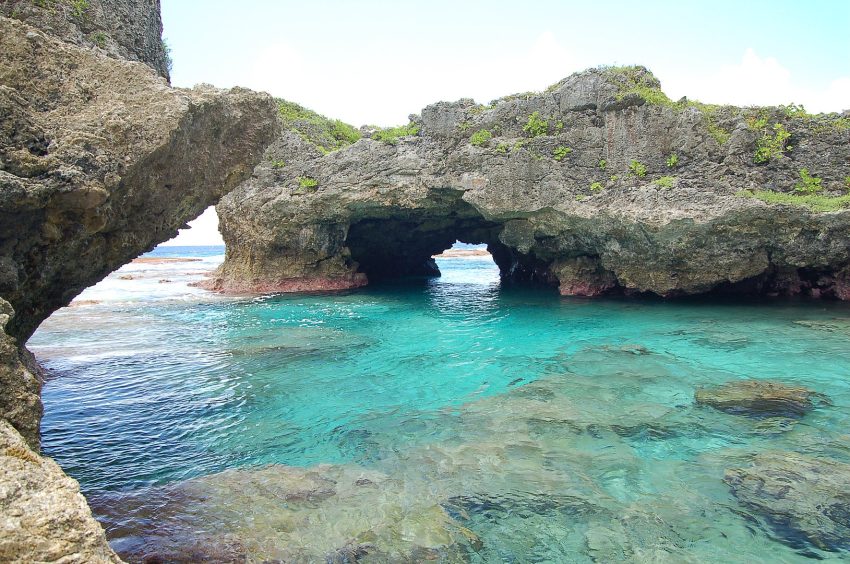
Niue is a small island nation in the South Pacific, known for its rugged limestone cliffs, clear turquoise waters, and a relaxed, uncrowded feel. Often called “the Rock of Polynesia,” it sits northeast of New Zealand and offers a distinctive mix of dramatic coastal scenery and lush inland vegetation. With a close-knit community and a strong Polynesian identity, Niue feels both welcoming and refreshingly unhurried.
Nature is the main attraction here. Visitors come for ocean adventures like snorkeling, diving, and whale watching in season, as well as for exploring sea tracks, caves, and natural pools along the coastline. Inland, quiet roads and walking paths pass through forested areas and villages, making it easy to experience the island at a gentle pace.
Niue is self-governing in free association with New Zealand, and English and Niuean are widely spoken. The island’s small scale means services and amenities are simple but sufficient, with local markets, family-run stays, and a handful of eateries offering island flavors. Whether you’re after outdoor exploration or a peaceful escape, Niue delivers a sense of space and authenticity that’s increasingly rare.
Table of Contents
- History of Niue
- Origins and early settlement
- Inter-village politics and chiefly authority
- First European encounters
- Christianity and social transformation
- Colonial era and annexation
- New Zealand administration and modernization
- Migration and demographic change
- Self-government in free association
- Late 20th century: nation-building and resilience
- Cyclone Heta and rebuilding
- Contemporary Niue
- Best Time to Visit Niue
- Food and Drink from Niue
History of Niue
Niue is a raised coral island in the South Pacific, culturally and historically tied to the wider Polynesian world and, in more recent centuries, shaped by missionary activity, colonial administration, migration, and a unique modern relationship with New Zealand.
Origins and early settlement (c. 900–1600)
Niue was settled by Polynesian voyagers, most likely arriving in multiple waves from neighboring island groups such as Samoa, Tonga, and the Cook Islands. Over time, distinct communities formed around the island’s coastal areas, organized through extended kin groups and village networks. Oral traditions preserve accounts of founding ancestors, inter-village rivalries, and the development of chiefly authority. With limited land and freshwater, Niuean society adapted to a rugged environment, relying on horticulture (notably taro and yams), fishing, and careful resource management.
Inter-village politics and chiefly authority (1600–1800s)
Before sustained European contact, Niue did not develop a single centralized kingdom. Power tended to be local and negotiated, with leadership rooted in lineage, land rights, and the ability to maintain alliances. Conflict and competition between districts occurred, but so did trade, intermarriage, and shared cultural practices. The island’s isolation helped preserve a strong language and identity, while also limiting exposure to some of the large-scale upheavals seen elsewhere in the Pacific during early colonial expansion.
First European encounters (1774–mid-1800s)
The first recorded European sighting was by James Cook in 1774. Attempts to land were repelled, and Cook named it “Savage Island,” reflecting the hostile reception rather than any objective description of Niuean society. For decades afterward, contact remained sporadic. As whalers, traders, and other ships moved through the region in the 19th century, Niue experienced increasing exposure to foreign goods and diseases, as well as the broader disruptions affecting Pacific islands.
Christianity and social transformation (mid-1800s–late 1800s)
Christianity arrived primarily through Polynesian missionaries associated with the London Missionary Society, including teachers from Samoa and other islands. Conversion spread widely and reshaped public life, education, and governance. Church structures became central institutions, literacy expanded through Bible-based schooling, and many customary practices were reinterpreted or discouraged. While Niueans retained strong local identities and land-based kinship systems, the church became a major organizing force across villages.
Colonial era and annexation (1889–1901)
In the late 19th century, Niue’s leaders sought protection amid growing imperial competition in the Pacific. Britain established a protectorate in 1889. In 1900, Niue was annexed to the British Empire, and in 1901 it was transferred under New Zealand administration, at the same time New Zealand took responsibility for the Cook Islands. This shift tied Niue’s political future closely to New Zealand’s institutions and economy.
New Zealand administration and modernization (1901–1960s)
Under New Zealand rule, Niue experienced expanding government services, new legal and administrative systems, and continued church influence. Infrastructure and health services improved gradually, though the island remained remote and economically limited. The two World Wars affected Niue less directly than some other territories, but global economic changes and regional labor demands influenced local livelihoods. Over time, education and wage employment increased, and connections with New Zealand deepened.
Migration and demographic change (1950s–1970s)
Large-scale migration to New Zealand accelerated after World War II, driven by employment opportunities, education, and the challenges of sustaining livelihoods on a small island with limited resources. This migration became one of the most significant forces in modern Niuean history, creating a large Niuean community in New Zealand and reshaping family life, remittances, and cultural transmission. Niue’s resident population began a long-term decline even as the broader Niuean population grew overseas.
Self-government in free association (1974)
In 1974, Niue became a self-governing state in free association with New Zealand. Niue gained control over its internal affairs with its own constitution and elected government, while New Zealand retained responsibilities in areas such as external affairs and defense in consultation with Niue. Niueans also retained New Zealand citizenship, reinforcing the close relationship and facilitating continued migration and mobility.
Late 20th century: nation-building and resilience (1970s–1990s)
After self-government, Niue worked to strengthen public administration, education, and health services while managing the realities of a small economy. The island pursued development through aid partnerships, public-sector employment, and efforts to diversify income, including small-scale tourism and niche exports. Cultural revitalization—language, dance, and customary practices—remained important, especially as the diaspora grew.
Cyclone Heta and rebuilding (2004–2010s)
Cyclone Heta struck in 2004 and caused severe damage, particularly to the capital area of Alofi and key infrastructure. Recovery required extensive rebuilding and external support, and it reinforced long-standing challenges: vulnerability to extreme weather, high costs of construction and transport, and the pressures of maintaining services for a small population.
Contemporary Niue (2010s–present)
Today, Niue continues to balance self-government with close ties to New Zealand, while addressing population decline, economic constraints, and climate-related risks. The diaspora remains central to Niue’s national life through family connections, remittances, cultural organizations, and return visits. At the same time, Niue has pursued initiatives in sustainable development, improved connectivity, and careful management of its marine and land environments, aiming to preserve Niuean language and identity for future generations.
Best Time to Visit Niue
Visiting Niue in Summer (December–February)
Summer in Niue is hot, humid, and sits within the South Pacific cyclone season. It can still be a great time to visit if you want warmer water for swimming, snorkeling, and diving, and you don’t mind short, heavy downpours. Expect lush landscapes and fewer crowds, but build flexibility into your plans in case of rough seas or weather disruptions.
Visiting Niue in Autumn (March–May) (Best)
Autumn is often the sweet spot in Niue: the weather typically becomes more settled after the peak of cyclone season, humidity eases, and the ocean remains warm. It’s an excellent time for lagoon swims, reef snorkeling, and boat-based activities when conditions cooperate. If you’re looking for the best balance of comfortable weather and great water time, this is usually it.
Visiting Niue in Winter (June–August)
Winter is Niue’s cooler, drier period, making it ideal for hiking, cycling, and exploring sea tracks and caves with less heat and humidity. Trade winds can pick up, and the ocean may feel cooler, but visibility for diving and snorkeling can still be very good. This is also a popular travel window, so booking accommodation and flights earlier is wise.
Visiting Niue in Spring (September–November)
Spring brings warming temperatures and generally pleasant conditions before the wetter months return. It’s a strong all-round season for outdoor adventures and ocean activities, with improving water warmth and typically good visibility. If you’re interested in cultural highlights, check local listings for village events and national celebrations that can occur during this period, as festival timing can vary year to year.
Food and Drink from Niue
Niue’s food and drink reflect its small-island setting, with meals built around what can be grown locally, gathered from the sea, or preserved for later. Root crops such as taro, yam, and cassava are common staples, alongside breadfruit and green bananas when in season. Coconut is used widely for richness and flavor—grated, squeezed into cream, or toasted—while fresh tropical fruits like pawpaw (papaya), mango, and pineapple add sweetness and brightness to everyday eating.
Seafood is central to Niuean cuisine, with fish featuring in many home-cooked meals and community gatherings. Depending on season and conditions, people enjoy reef fish and pelagic catches prepared simply to highlight freshness—grilled, baked, or cooked in coconut-based sauces. Shellfish and other reef foods are also valued, and sharing a catch among family and neighbors is part of the social fabric, especially when fishing has been good.
Traditional cooking methods remain important, particularly for celebrations. The earth oven (umu) is used to cook large quantities of food slowly over hot stones, producing tender meats, smoky flavors, and soft, starchy sides. Feasts often bring together a variety of dishes—root crops, fish, pork or chicken, and coconut-infused vegetables—served family-style, with an emphasis on generosity and communal eating.
Drinks in Niue range from everyday refreshments to festive options. Fresh coconut water is a popular natural drink, and fruit juices and smoothies are common when produce is abundant. Tea and coffee are widely enjoyed, and at social events you may find a mix of soft drinks and alcoholic beverages. Overall, Niue’s food and drink are defined by simplicity, freshness, and a strong connection to land, sea, and community.