Nigeria: The Ultimate Travel Guide 2026
Nigeria is a vibrant West African country known for its scale, energy, and diversity. With a large population and a fast-growing urban landscape, it plays a major role in the region’s culture, commerce, and public life. From busy city centers to quieter rural communities, Nigeria’s pace and character shift dramatically from place to place, offering a wide range of everyday experiences.
One of Nigeria’s defining features is its rich mix of peoples, languages, and traditions. Hundreds of ethnic groups contribute to a dynamic cultural scene expressed through music, film, fashion, literature, festivals, and food. English is the official language, but many Nigerians speak multiple local languages, reflecting the country’s deep cultural variety and strong community identities.
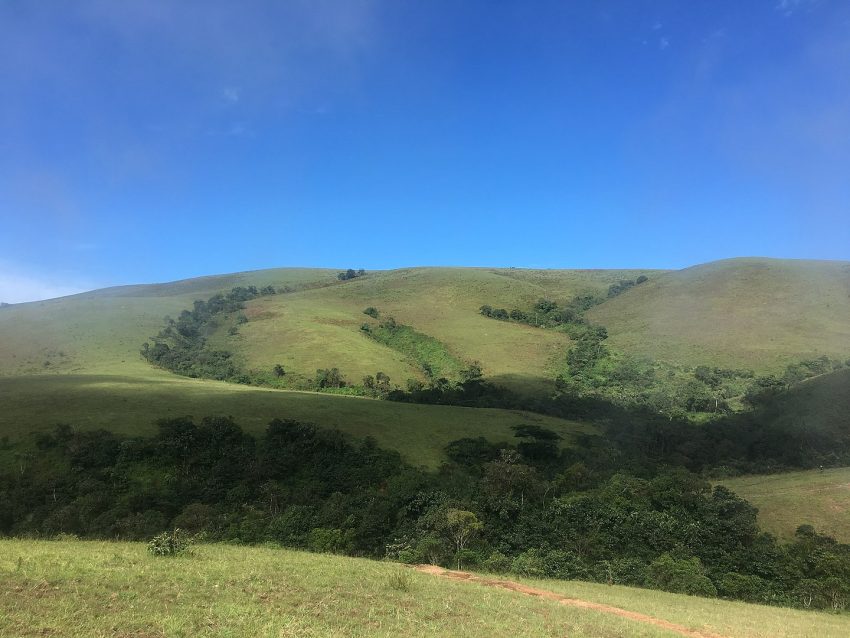
Geographically, Nigeria spans diverse environments, from coastal areas and mangrove wetlands in the south to savannah and semi-arid regions in the north. Its economy is equally varied, with major activity in agriculture, services, technology, entertainment, and energy. Whether you’re drawn by its creative industries, business opportunities, or cultural depth, Nigeria offers a complex, influential, and continually evolving national story.
Table of Contents
- History of Nigeria
- Ancient and early societies
- Regional states and trade networks
- Empires, kingdoms, and cultural flowering
- The 19th century: reform, conquest, and new economies
- British colonial rule and amalgamation
- Nationalism and the road to independence
- Coups and civil war
- Oil boom, military rule, and state expansion
- Return to democracy and Fourth Republic
- Contemporary Nigeria
- Best Time to Visit Nigeria
- Food and Drink from Nigeria
History of Nigeria
Nigeria’s history spans ancient civilizations, powerful precolonial states, centuries of regional and trans-Saharan trade, the disruptive era of Atlantic slavery, British colonial rule, and a complex post-independence journey shaped by civil war, military governments, oil wealth, democratization, and ongoing security and development challenges. Its modern borders unite hundreds of ethnic groups and languages, with major population centers and cultural traditions rooted in the Niger–Benue confluence, the savannas of the north, and the forest and coastal zones of the south.
Ancient and early societies (before 1000 CE)
Human settlement in the region is very old, with archaeological evidence of early communities engaged in farming, ironworking, and long-distance exchange. One of the most notable early cultural traditions is the Nok culture (in parts of central Nigeria), known for sophisticated terracotta sculpture and early iron technology. Across the region, communities developed diverse political forms—from village republics to emerging kingdoms—shaped by ecology, trade routes, and migration.
Regional states and trade networks (1000–1500)
By the second millennium, organized states and city networks expanded. In the north, Hausa city-states grew as commercial and craft centers linked to trans-Saharan trade, connecting the region to North Africa and the wider Islamic world. Islam spread gradually through trade, scholarship, and state patronage, becoming deeply rooted in many northern societies.
In the southwest, Yoruba-speaking polities developed complex urban centers and kingship traditions. Ile-Ife became renowned for artistic achievement and spiritual authority, while Oyo later emerged as a major imperial power with cavalry and an extensive political system. In the southeast and Niger Delta, Igbo and related communities formed varied political systems, including decentralized governance in many areas and influential trading towns along riverine routes.
Empires, kingdoms, and cultural flowering (1500–1800)
Several powerful states rose or consolidated influence. The Kanem-Bornu Empire (centered around the Lake Chad basin, extending into today’s northeastern Nigeria) remained a major force with Islamic scholarship, cavalry warfare, and regional trade. In the forest and coastal zones, the Kingdom of Benin (Edo) became famous for its court art and bronze casting, as well as diplomatic and commercial ties with Europeans from the late 15th century onward.
European contact along the coast expanded over time, initially focused on trade in goods and later increasingly dominated by the Atlantic slave trade. Coastal and inland politics were reshaped as some states and merchants profited, others were destabilized, and violence and displacement intensified. The Niger Delta developed powerful trading polities and merchant networks that mediated commerce between the interior and Atlantic markets.
The 19th century: reform, conquest, and new economies (1800–1900)
The 19th century brought major political and religious transformations. In the north, the Sokoto Jihad (beginning in 1804) led by Usman dan Fodio created the Sokoto Caliphate, a vast polity that reorganized governance, taxation, and Islamic institutions across much of northern Nigeria. It fostered scholarship and administration but also involved warfare and shifting power relations.
In the southwest, Oyo declined, and the region experienced prolonged conflicts and realignments among Yoruba states, alongside growing Christian missionary activity and returnee communities from the Atlantic world. In the southeast, the expansion of “legitimate commerce” after Britain’s abolition of the slave trade increased demand for palm oil and other products, integrating local economies more tightly into global markets and intensifying competition over trade routes and labor.
By the late 19th century, British influence expanded rapidly through treaties, commercial companies, and military campaigns. The Royal Niger Company played a key role in asserting control over trade and territory in the Niger basin, paving the way for formal colonial rule.
British colonial rule and amalgamation (1900–1945)
Britain established the Protectorate of Northern Nigeria and the Protectorate of Southern Nigeria, later merging them in 1914 into the Colony and Protectorate of Nigeria. This amalgamation created the basic territorial framework of modern Nigeria but joined regions with different administrative traditions and economic structures.
Colonial governance relied heavily on indirect rule, especially in the north, governing through existing authorities where possible. In many areas—particularly parts of the southeast—colonial authorities reshaped or invented “traditional” structures to fit administrative needs, often generating local tensions. The colonial economy emphasized export crops and raw materials, infrastructure geared toward extraction and ports, and taxation systems that provoked resistance, including notable protests such as the 1929 Women’s War in southeastern Nigeria.
Over time, Western education expanded unevenly, producing new elites, labor movements, and political organizations. Nigerian participation in World War II and postwar global shifts accelerated demands for self-government.
Nationalism and the road to independence (1945–1960)
After 1945, constitutional reforms gradually increased Nigerian representation and regional autonomy. Political parties often aligned with regional and ethnic constituencies, reflecting Nigeria’s diversity and the colonial structure that strengthened regional identities. Negotiations over federalism, resource allocation, and minority protections shaped late-colonial politics.
Nigeria gained independence on 1 October 1960 as a federation, and became a republic in 1963. Early optimism was tempered by intense political competition, disputed elections, and fears of domination among regions and minorities.
Coups and civil war (1966–1970)
In 1966, Nigeria experienced two military coups amid political crisis and violence. Ethno-regional tensions escalated, and massacres and displacement—especially of Igbo people in the north—deepened mistrust. In 1967, the Eastern Region declared independence as the Republic of Biafra, leading to the Nigerian Civil War.
The war (1967–1970) was catastrophic, with widespread suffering and famine. Nigeria’s federal forces ultimately prevailed, and the government pursued a policy framed as “no victor, no vanquished,” emphasizing reintegration. Nonetheless, the war left enduring scars, shaped national politics, and influenced debates about federalism, identity, and resource control.
Oil boom, military rule, and state expansion (1970s–1990s)
After the war, oil became central to Nigeria’s economy and state finances. The 1970s oil boom funded ambitious infrastructure and expanded the public sector, but also intensified corruption risks and economic dependence on petroleum. Nigeria created additional states over time, partly to manage diversity and reduce regional dominance, but state creation also multiplied administrative costs and political competition.
Military governments dominated much of this period, with intermittent transitions to civilian rule. A civilian government took office in 1979, but was overthrown in 1983. Subsequent military regimes implemented austerity and economic reforms amid debt and falling oil prices. Political repression increased at times, and the annulment of the 1993 presidential election became a major national rupture, fueling protests and deepening distrust in governance.
Return to democracy and Fourth Republic (1999–2010s)
Nigeria returned to civilian rule in 1999, beginning the Fourth Republic. Democratic institutions expanded, including a more active press and civil society, but elections were often contentious and governance challenges persisted. Oil wealth continued to shape politics, while the Niger Delta saw militant movements and conflict tied to environmental damage, local grievances, and revenue distribution, prompting amnesty and security initiatives at different points.
From 2009 onward, the Boko Haram insurgency in the northeast became a major security crisis, causing mass casualties, displacement, and regional instability, with spillover into neighboring countries. Nigeria also faced recurrent communal violence in parts of the Middle Belt, and later an upsurge in banditry and kidnapping in the northwest and other regions.
Contemporary Nigeria (2010s–present)
In recent years, Nigeria has remained Africa’s most populous country and a major cultural and economic force, with global influence through literature, music, film, and entrepreneurship. Politically, it has seen competitive elections and peaceful transfers of power, alongside persistent concerns about corruption, policing, judicial effectiveness, and electoral integrity.
Economically, Nigeria has grappled with oil price shocks, currency pressures, inflation, unemployment, and debates over subsidy reforms and diversification. Social movements—such as protests against police brutality—have highlighted demands for accountability and better governance. Security challenges remain significant, including insurgency in the northeast, armed criminality in parts of the northwest and north-central regions, and separatist tensions in the southeast.
Nigeria’s history continues to be shaped by the interplay of its deep cultural pluralism, the legacies of colonial amalgamation, the centrality of oil, and the ongoing effort to build inclusive institutions capable of managing diversity, delivering services, and ensuring security.
Best Time to Visit Nigeria
Visiting Nigeria in Winter (December–February) (Best)
Winter is one of the most popular times to visit Nigeria because it’s generally drier, less humid, and more comfortable for sightseeing and beach time. It’s also peak travel season for Nigerians returning home, so expect a lively atmosphere and higher prices in major cities.
Festival highlights:
- Calabar Carnival (Cross River, December): One of Africa’s biggest street carnivals with parades, costumes, and concerts.
- Lagos “Detty December” (Lagos, December): A packed month of music shows, nightlife, and cultural events across the city.
- Durbar Festivals (Northern Nigeria, often around Eid dates): Horse parades and traditional pageantry in cities such as Kano and Katsina (timing varies by Islamic calendar).
Visiting Nigeria in Spring (March–May)
Spring is a shoulder season that can still be a good time to travel, especially early on, before heavier rains set in across much of the south. Expect warmer temperatures and increasing humidity, with occasional showers becoming more common as you move toward May.
Festival highlights:
- Lagos International Jazz Festival (typically spring, dates vary): Live performances and events for jazz lovers.
- Easter celebrations (nationwide, March/April): Particularly vibrant in Christian-majority areas, with processions, church events, and family gatherings.
Visiting Nigeria in Summer (June–August)
Summer is the wet season in much of southern and central Nigeria, bringing frequent rain, higher humidity, and occasional travel slowdowns due to flooding in some areas. It can still work well if you’re focusing on indoor culture, food, and city experiences, or if you plan around rain breaks.
Festival highlights:
- Osun-Osogbo Festival (Osun State, usually August): A major cultural and spiritual festival featuring processions to the Osun Sacred Grove.
- New Yam Festivals (varies by community, often late summer into early autumn): Celebrations marking the yam harvest, especially in Igbo areas (dates vary by town).
Visiting Nigeria in Autumn (September–November)
Autumn is another strong time to visit as rains begin to ease (especially from October onward), humidity drops, and travel conditions improve. It’s a good season for combining city trips with nature, markets, and cultural sites without the peak-season crowds of December.
Festival highlights:
- Independence Day (nationwide, October 1): Parades, cultural displays, and events in major cities.
- Abuja International Film Festival (often in autumn, dates vary): Screenings and industry events in the capital.
Food and Drink from Nigeria
Nigeria’s food reflects its many ethnic groups and regions, with meals often built around a hearty “swallow” (a soft, dough-like staple) paired with a richly seasoned soup or stew. Common swallows include pounded yam, eba (made from garri/cassava), fufu, and amala, eaten by hand and dipped into soups. Soups vary widely—egusi (ground melon seed) soup is popular across the country, while okra soup, ogbono (wild mango seed) soup, and vegetable soups like efo riro are also widely enjoyed. Palm oil, peppers, onions, and local spices give many dishes their signature depth and color.
In the south and riverine areas, seafood and leafy greens feature prominently, alongside ingredients like crayfish, periwinkles, and smoked fish. Dishes such as banga soup (made from palm fruit extract) and a range of pepper soups highlight bold, aromatic flavors. In the Yoruba-speaking southwest, classics include efo riro, gbegiri (bean soup), and assorted stews served with amala or rice. In the Igbo-speaking southeast, dishes like ofe onugbu (bitterleaf soup) and oha soup are well known, often paired with fufu or pounded yam.
Northern Nigerian cuisine is shaped by grains, legumes, and grilled meats, with a strong tradition of street foods and snacks. Tuwo (a thick grain-based swallow) is commonly eaten with soups like miyan kuka (baobab leaf soup) or miyan taushe (pumpkin soup). Suya—spiced, skewered grilled meat coated with ground peanuts and pepper—is one of Nigeria’s most famous foods, sold at night markets and roadside stands. Other favorites include kilishi (a dried, spiced meat snack) and bean-based dishes like moi moi (steamed bean pudding) and akara (bean fritters), enjoyed across the country.
Nigerian drinks range from everyday refreshments to traditional beverages served at celebrations. Zobo (a hibiscus drink) is popular for its tangy taste and deep red color, often flavored with ginger and pineapple, while kunu (a lightly fermented grain drink) is common in the north. Palm wine, tapped from palm trees, is widely enjoyed in many regions and often features in ceremonies. Modern Nigerian life also celebrates café culture and soft drinks, but at home and at parties, big flavors remain central—whether it’s chilled zobo, a warm cup of spiced tea, or a shared toast with palm wine.