New Zealand: The Ultimate Travel Guide 2026
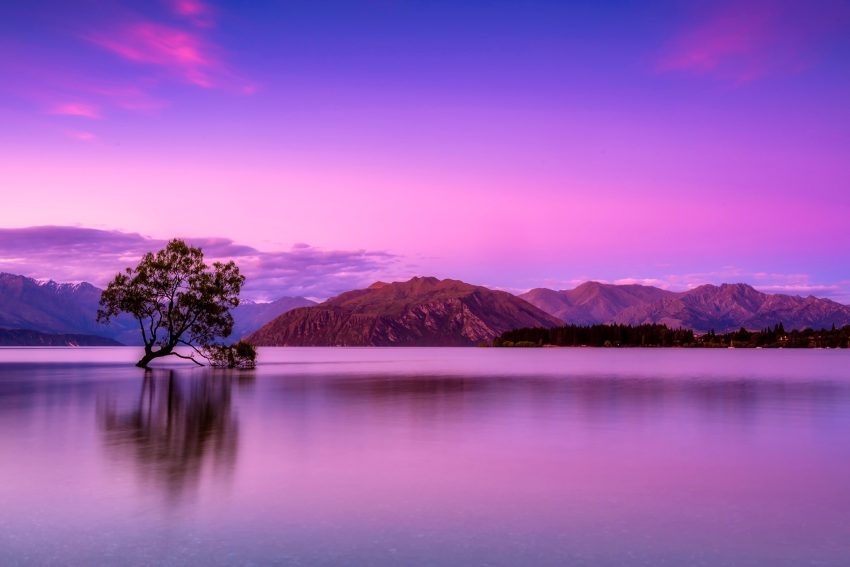
New Zealand is an island nation in the southwestern Pacific Ocean, made up primarily of two main landmasses-the North Island and the South Island-along with many smaller islands. Known for its striking natural variety, it offers everything from rugged coastlines and golden beaches to alpine peaks, glaciers, and geothermal landscapes. Its relatively compact size makes it easy to experience dramatically different scenery within a short distance.
The country is celebrated for its outdoor lifestyle and strong connection to the environment. National parks, walking tracks, and scenic drives are central to how many people explore, whether that means hiking through native forests, skiing in winter, or spotting wildlife along the shore. New Zealand’s cities are modern and relaxed, with Auckland and Wellington offering lively food scenes, arts and culture, and easy access to nature.
New Zealand is also shaped by a rich mix of cultures, including Māori traditions and a diverse, multicultural population. This blend is reflected in everyday life-from language and place names to festivals, cuisine, and community values. Whether you’re drawn by adventure, landscapes, or a slower pace with high quality of life, New Zealand offers a distinctive experience that feels both welcoming and refreshingly open.
Table of Contents
- History of New Zealand
- Polynesian settlement and the rise of Māori society
- First European contact and intermittent encounters
- Cook, trade, and early colonial pressures
- Te Tiriti o Waitangi and the beginnings of British rule
- New Zealand Wars and land confiscations
- Self-government, expansion, and a changing economy
- Social reform and nation-building
- World wars and their aftermath
- Urbanisation, Māori renaissance, and treaty politics
- Economic restructuring and constitutional change
- Contemporary New Zealand
- Best Time to Visit New Zealand
- Food and Drink from New Zealand
History of New Zealand
New Zealand’s history spans deep Polynesian roots, centuries of Māori innovation and conflict, European contact and colonisation, and a modern era shaped by treaty politics, migration, and evolving national identity.
Polynesian settlement and the rise of Māori society (c. 1200–1642)
New Zealand was among the last major landmasses settled by humans. Polynesian voyagers reached the islands around the 13th century, adapting to a cooler climate and developing distinct cultures that became Māori. Communities organised around iwi (tribes) and hapū (sub-tribes), with social life structured by whakapapa (genealogy), mana (authority/prestige), and tikanga (custom). Over time, Māori developed sophisticated horticulture in warmer regions, extensive fishing and foraging systems, and fortified pā (settlements) reflecting both defence needs and political organisation.
First European contact and intermittent encounters (1642–1769)
The first recorded European contact came in 1642 when Dutch navigator Abel Tasman sighted the islands; a violent encounter occurred at Mohua (Golden Bay), and Tasman departed without landing. For more than a century after, European visits were rare and mostly limited to passing ships.
Cook, trade, and early colonial pressures (1769–1839)
In 1769–1770, James Cook mapped much of the coastline and established sustained European awareness of New Zealand. The following decades brought whalers, sealers, traders, and missionaries. Trade introduced new materials and technologies, but also disease and social disruption. Muskets, acquired through trade, transformed intertribal conflict in the early 19th century in what are often called the Musket Wars—complex, shifting conflicts that caused major population dislocation and reshaped power balances. Missionaries promoted Christianity and literacy in te reo Māori, and Māori engagement with new ideas and economic opportunities expanded rapidly.
Te Tiriti o Waitangi and the beginnings of British rule (1840–1852)
In 1840, many Māori rangatira (chiefs) and representatives of the British Crown signed Te Tiriti o Waitangi / the Treaty of Waitangi. The Māori and English texts differed in key ways, especially around sovereignty and governance, creating enduring dispute. The Crown moved to establish formal colonial administration, and organised settlement increased. Land became the central issue: competing understandings of authority, ownership, and sale—along with settler demand—drove escalating tensions.
New Zealand Wars and land confiscations (1845–1872)
Armed conflict broke out in multiple regions between Crown forces (and allied Māori) and Māori groups resisting Crown authority and land loss. These conflicts—often referred to as the New Zealand Wars—were not a single war but a series of campaigns with different causes and participants. The aftermath included large-scale land confiscations and legal mechanisms that facilitated further alienation of Māori land. The consequences were profound: economic marginalisation, social upheaval, and long-term grievances that would shape politics for generations.
Self-government, expansion, and a changing economy (1852–1890s)
New Zealand gained responsible government in the 1850s, with a settler-dominated parliament. Infrastructure expanded, immigration increased, and pastoral farming became central to the economy. Refrigeration in the late 19th century enabled large-scale export of meat and dairy, tying New Zealand more tightly to global markets. Māori political representation existed through dedicated parliamentary seats from 1867, but political power remained heavily weighted toward settler interests.
Social reform and nation-building (1890s–1914)
The 1890s saw major social and political reforms, including early labour protections and the expansion of the welfare state’s foundations. New Zealand became the first self-governing country to grant women the right to vote in 1893. A distinct national identity began to strengthen, though still closely linked to Britain.
World wars and their aftermath (1914–1945)
New Zealand’s participation in World War I had a significant demographic and cultural impact, with heavy casualties and the ANZAC tradition becoming a key part of national memory. The interwar period included economic hardship, culminating in the Great Depression. During World War II, New Zealand again committed forces overseas while also facing Pacific security concerns. The post-war period accelerated state-led development and expanded social services.
Urbanisation, Māori renaissance, and treaty politics (1945–1980s)
After 1945, New Zealand urbanised rapidly. Many Māori moved from rural areas to cities, transforming communities and creating new forms of organisation and activism. From the 1960s onward, Māori movements pressed for recognition of language, culture, and treaty rights. Te reo Māori revitalisation gained momentum, and public debate increasingly acknowledged the historical impacts of land loss and policy.
Economic restructuring and constitutional change (1980s–1990s)
From the mid-1980s, New Zealand undertook sweeping economic reforms: deregulation, privatisation, and changes to labour markets and public services. These reforms reshaped society and widened some inequalities even as they modernised parts of the economy. In 1985, the Waitangi Tribunal’s jurisdiction was extended to investigate historical treaty breaches back to 1840, leading to a process of negotiated settlements between iwi and the Crown. In 1996, New Zealand adopted Mixed-Member Proportional (MMP) representation, changing political dynamics and increasing the role of smaller parties.
Contemporary New Zealand (2000s–present)
In the 21st century, New Zealand has continued to evolve as a multicultural Pacific nation, shaped by migration, debates over identity and equity, and ongoing treaty-related developments. Major events have included the Canterbury earthquakes (2010–2011), the 2019 Christchurch mosque attacks and subsequent gun law reforms, and the COVID-19 pandemic. Treaty settlements and co-governance debates remain central to public life, alongside efforts to address disparities affecting Māori and Pasifika communities. New Zealand’s history today is widely understood as a shared story—marked by both conflict and cooperation—grounded in the continuing significance of Te Tiriti o Waitangi.
Best Time to Visit New Zealand
Visiting New Zealand in Summer (December–February)
Summer is ideal for beach time, hiking, and long daylight hours. Expect the warmest weather and the busiest travel period, especially around Christmas and New Year, so booking accommodation and rental cars early is important. It’s a great season for coastal road trips, water activities, and visiting national parks.
Festival highlights:
- New Year celebrations (nationwide, especially Auckland and Wellington)
- Rhythm and Vines (Gisborne, late December)
- Marlborough Wine & Food Festival (Blenheim, typically February)
Visiting New Zealand in Autumn (March–May)
Autumn offers settled weather, fewer crowds than summer, and comfortable temperatures for sightseeing and outdoor activities. It’s a strong choice for wine regions, scenic drives, and hiking without peak-season congestion. Central Otago and Hawke’s Bay are especially appealing during harvest season.
Festival highlights:
- Pasifika Festival (Auckland, typically March)
- WOMAD (New Plymouth, typically March)
- Hokitika Wildfoods Festival (Hokitika, typically March)
Visiting New Zealand in Winter (June–August) (Best)
Winter is the best time to visit if skiing, snowboarding, and alpine scenery are top priorities. Queenstown, Wānaka, and Mt Ruapehu are key winter hubs, and you’ll also find cozy food-and-wine experiences and dramatic landscapes with fewer visitors in many regions (outside school holidays).
Festival highlights:
- Matariki (nationwide, dates vary June/July)
- Queenstown Winter Festival (Queenstown, typically June)
- Te Matatini (national kapa haka festival, held every two years, often in summer/autumn—worth planning around if it aligns)
Visiting New Zealand in Spring (September–November)
Spring brings blooming gardens, warming temperatures, and excellent conditions for hiking and wildlife encounters. It’s a good shoulder season for value and availability before summer crowds arrive. This is also a popular time for visiting parks, waterfalls, and scenic regions like Fiordland and the South Island lakes.
Festival highlights:
- Wellington on a Plate (Wellington, typically August/September)
- Christchurch Show / New Zealand Agricultural Show (Christchurch, typically November)
- Garden and flower events (various regions, strongest in spring)
Food and Drink from New Zealand
New Zealand’s food and drink reflect its geography, farming heritage, and the blend of Māori and immigrant influences that shape everyday eating. With a strong agricultural base, meals often feature high-quality lamb, beef, and dairy, alongside abundant seafood from surrounding waters. Seasonal produce is central, from summer berries and stone fruit to autumn apples and winter root vegetables, and many dishes lean toward simple preparations that let ingredients stand out.
Seafood is a standout, especially in coastal regions. Popular choices include green-lipped mussels, Bluff oysters (in season), pāua (abalone), crayfish, and a wide range of fresh fish used for grilling, smoking, or in classic fish and chips. Māori cuisine contributes distinctive methods and ingredients, most famously the hāngī—meat and vegetables slow-cooked in an earth oven—along with kūmara (sweet potato) and traditional uses of seafood and foraged plants.
New Zealand also has a strong café culture and a fondness for casual, crowd-pleasing staples. Meat pies, sausage rolls, and fish and chips are common takeaways, while weekend brunch often features eggs, avocado, and locally baked sourdough. Sweet treats are equally iconic: pavlova topped with fruit, lamingtons, and slices and biscuits enjoyed with tea. Regional specialties and small producers—cheeses, olive oils, honey, and preserves—add variety and a strong “local” identity to many menus.
When it comes to drinks, New Zealand is internationally known for wine, particularly Marlborough Sauvignon Blanc, as well as Pinot Noir from Central Otago and other cool-climate regions. Craft beer is widely popular, with breweries producing everything from crisp lagers to hop-forward IPAs, and cider is common in apple-growing areas. Coffee is taken seriously, with flat whites and long blacks standard across the country, and non-alcoholic favorites include fruit juices, sparkling waters, and the beloved feijoa flavor that shows up in everything from drinks to desserts.