New Caledonia: The Ultimate Travel Guide 2026
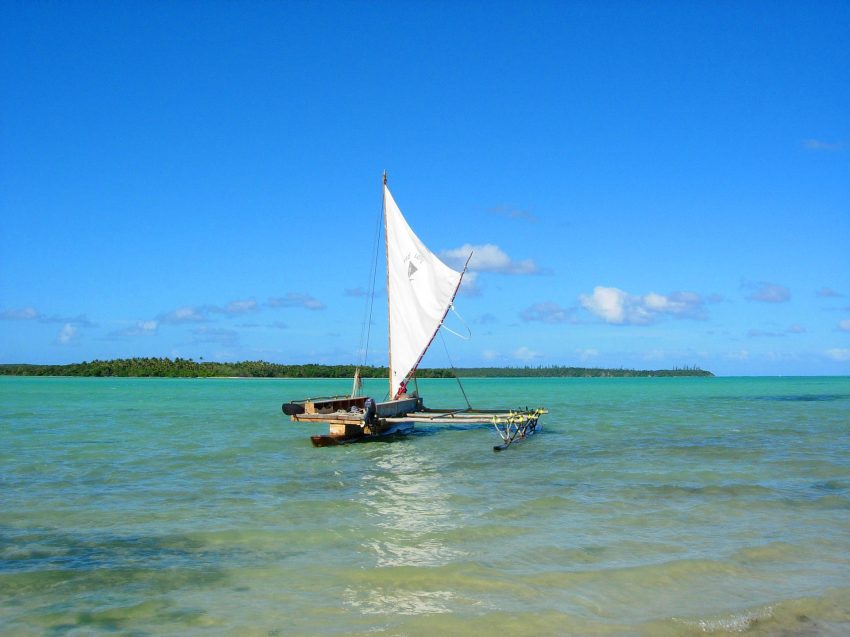
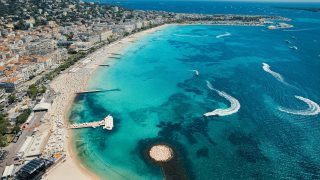
New Caledonia is a French territory in the southwest Pacific, east of Australia and north of New Zealand. It’s made up of a main island, Grande Terre, along with smaller islands such as the Loyalty Islands, the Isle of Pines, and the Belep archipelago. Surrounded by one of the world’s largest lagoons and extensive coral reefs, it’s known for clear waters, white-sand beaches, and dramatic coastal scenery.
The landscape is strikingly varied, ranging from mountain ridges and dry savannahs to dense forests and mangroves. Outdoor experiences are a major draw, with opportunities for hiking, snorkeling, diving, sailing, and wildlife spotting both on land and in the lagoon. The capital, Nouméa, sits on the southern tip of Grande Terre and offers a mix of urban comforts, waterfront promenades, and easy access to nearby bays and islets.
Culturally, New Caledonia blends Melanesian Kanak traditions with French influences and communities from across the Pacific and beyond. This mix shows up in everyday life, from languages and festivals to food, markets, and music. Visitors often find it offers a distinctive balance: a relaxed island pace alongside French-style cafés and services, all set against a uniquely Pacific environment.
Table of Contents
- History of New Caledonia
- Before European contact
- First European encounters
- French annexation and early colonial rule
- Penal colony and forced labor
- Kanak resistance and the 1878 uprising
- The “indigénat” era and demographic change
- World War II and postwar political shifts
- Autonomy debates and rising tensions
- The “Events” and the Matignon-Oudinot Accords
- The Nouméa Accord and a new political framework
- Independence referendums and renewed uncertainty
- Recent developments
- Best Time to Visit New Caledonia
- Food and Drink from New Caledonia
History of New Caledonia
New Caledonia’s history is shaped by deep Indigenous roots, French colonization, a long era as a penal colony, and a modern political trajectory defined by decolonization debates and negotiated self-determination.
Before European contact
New Caledonia was settled by Austronesian-speaking peoples associated with the Lapita cultural horizon more than 3,000 years ago. Over time, distinct Kanak societies developed across Grande Terre and the Loyalty Islands, organized through clan and chiefly systems, with complex land tenure, exchange networks, and rich ceremonial and artistic traditions. Inter-island and regional connections linked New Caledonia to wider Melanesian and Pacific worlds.
First European encounters (1774–1853)
The first recorded European sighting was by James Cook in 1774, who named the main island “New Caledonia.” In the decades that followed, whalers, traders, and missionaries arrived intermittently. These contacts brought new goods and technologies but also disease, social disruption, and escalating conflict tied to trade, labor recruitment, and the growing foreign presence.
French annexation and early colonial rule (1853–1870s)
France formally annexed New Caledonia in 1853. Colonial authorities asserted control over land and movement, establishing administrative posts and expanding settler activity. Large areas were appropriated for colonial use, pushing Kanak communities onto reduced territories and reshaping traditional landholding and political authority.
Penal colony and forced labor (1864–1897)
New Caledonia became a major French penal colony from 1864. Convicts were transported to build infrastructure and support colonial expansion; many remained after release, contributing to a settler population. The colony also received political deportees, including participants in the Paris Commune. Penal labor and land seizures intensified pressures on Kanak communities and helped entrench a colonial economy oriented around settler agriculture, mining, and state projects.
Kanak resistance and the 1878 uprising
Dispossession and colonial controls fueled resistance, culminating in a major uprising in 1878 led by Chief Ataï. The revolt was suppressed, followed by harsher restrictions, further land loss, and strengthened colonial policing. This period consolidated a system in which Kanak people were increasingly governed through special regulations and confined to reserves, while settlers expanded their holdings.
The “indigénat” era and demographic change (late 1800s–1940s)
Colonial rule relied on the indigénat system, which imposed special legal constraints on Indigenous people and limited political rights and mobility. Meanwhile, New Caledonia’s population diversified through migration and labor movements, including Europeans and workers from other parts of the Pacific and Asia. Nickel mining, which began in the late 19th century, grew into a central pillar of the economy and a lasting driver of land, labor, and political disputes.
World War II and postwar political shifts (1940s–1960s)
During World War II, New Caledonia became strategically important in the Pacific, hosting Allied forces and infrastructure. After the war, political reforms gradually expanded rights: Kanak people gained French citizenship and broader political participation, and the most overt forms of the indigénat system were dismantled. Even so, economic and social inequalities persisted, and debates about autonomy and identity sharpened as decolonization spread across the region.
Autonomy debates and rising tensions (1970s–mid-1980s)
From the 1970s, pro-independence movements gained strength, rooted in Kanak claims to land, political recognition, and self-determination. At the same time, many non-Indigenous residents favored remaining within France. Political polarization increased, and disputes over elections, land, and governance contributed to escalating unrest.
The “Events” and the Matignon-Oudinot Accords (1984–1988)
A period of intense conflict known locally as “les Événements” saw violence between pro-independence activists and loyalist groups, alongside heavy state involvement. The crisis peaked in 1988 with the Ouvéa hostage-taking and subsequent deadly assault. That year, negotiations produced the Matignon-Oudinot Accords, which aimed to restore peace through power-sharing, economic rebalancing, and a deferred decision on self-determination.
The Nouméa Accord and a new political framework (1998–2010s)
In 1998, the Nouméa Accord established a long transition toward greater local control, recognizing Kanak identity and setting out staged transfers of powers from France to New Caledonian institutions. It also created a pathway to one or more referendums on full sovereignty. Over these years, New Caledonia developed robust local governance, while nickel remained economically central and politically sensitive.
Independence referendums and renewed uncertainty (2018–2021)
Three referendums on independence were held under the Nouméa framework. The first two produced majority votes to remain within France, with a substantial and growing pro-independence vote. The third referendum also resulted in a “remain” majority, but it was widely contested by many pro-independence leaders due to the circumstances under which it was held, deepening political mistrust.
Recent developments (2022–present)
In the years since the referendums, New Caledonia has faced difficult negotiations over its future status, electoral rules, and institutional arrangements, alongside economic pressures and social tensions. The central question remains how to reconcile competing visions—full sovereignty, enhanced autonomy, or continued integration with France—while addressing long-standing inequalities, land issues, and the role of Indigenous recognition within the political system.
Best Time to Visit New Caledonia
Visiting New Caledonia in Summer (December–February)
Summer is hot, humid, and at its wettest, with a higher chance of tropical downpours and occasional cyclones. It’s still a great time if you want lush landscapes, warm lagoon temperatures, and don’t mind short bursts of heavy rain. Expect peak holiday crowds around late December and January, especially in Nouméa and on popular beaches.
Festival highlight: The New Caledonia Carnival in Nouméa (typically around February/March) can be a standout if your dates align.
Visiting New Caledonia in Autumn (March–May) (Best)
Autumn is one of the most comfortable times to visit: warm days, lower humidity than summer, and generally calmer weather as the wet season fades. Sea temperatures remain excellent for swimming, snorkeling, and diving, while conditions are often more stable for lagoon cruises and island-hopping. It’s a strong balance of good weather and fewer crowds than mid-year peak periods.
Festival highlight: If you’re traveling in March/April, you may catch cultural events and local fairs that become more common as the weather settles.
Visiting New Caledonia in Winter (June–August)
Winter is mild, drier, and breezier—ideal for hiking, road trips, and exploring beyond the beaches (such as the interior of Grande Terre). Water temperatures are cooler than in summer and autumn, but still pleasant for many travelers, especially on sunny days. This is also a popular time for visitors escaping colder climates, so booking ahead is wise.
Festival highlight: The New Caledonia Whale Festival (often in July in areas like Nouméa) can be a seasonal draw, alongside whale-watching opportunities during the broader winter season.
Visiting New Caledonia in Spring (September–November)
Spring brings warming temperatures, plenty of sunshine, and generally low rainfall—excellent for lagoon activities, diving visibility, and outdoor dining in Nouméa. It’s a sweet spot before the hotter, wetter summer arrives, with a lively feel as the islands head into their warmer months.
Festival highlight: The Yam Festival (often around April, but timing can vary by community) is a major cultural celebration—if your trip overlaps with local events, it’s worth planning around for a deeper cultural experience.
Food and Drink from New Caledonia
New Caledonia’s food and drink reflect a blend of Kanak traditions, French influence, and Pacific Island flavors, shaped by the lagoon, fertile valleys, and a multicultural population. Seafood is central—fish, prawns, crab, and lobster appear in everything from simple grilled plates to more elaborate restaurant dishes. Alongside the ocean’s bounty, local markets offer tropical produce such as bananas, mangoes, papaya, pineapple, and citrus, plus root crops like taro and yam that anchor many home-cooked meals.
A signature of Kanak cuisine is bougna, a communal dish that captures the islands’ earth-and-fire cooking heritage. Typically made with chicken, fish, or seafood layered with taro, yam, sweet potato, and green bananas, it’s wrapped in banana leaves and slow-cooked until tender. Coconut milk often enriches the flavors, giving the dish a gentle sweetness and a comforting, aromatic finish. Bougna is more than a recipe—it’s commonly associated with gatherings and celebrations, where food is prepared and shared as a social ritual.
French culinary habits are also prominent, especially in Nouméa, where bakeries and cafés are part of daily life. Fresh baguettes, pastries, and desserts sit comfortably alongside Pacific ingredients, and meals may feature sauces, cheeses, and charcuterie as well as local fish. You’ll also find dishes that show the territory’s wider mix of communities, with Asian-inspired noodles, stir-fries, and dumplings influencing casual dining and takeaway options.
When it comes to drinks, fruit juices and coconut water are everyday refreshers, often made from local produce. Coffee culture is strong in urban areas, while beer and rum-based drinks are common in social settings, sometimes flavored with tropical fruits. New Caledonia also produces wine in small quantities, and imported French wines are widely enjoyed, making it easy to pair lagoon seafood with a crisp white or to linger over an apéritif in true Francophone style.