Nauru: The Ultimate Travel Guide 2026
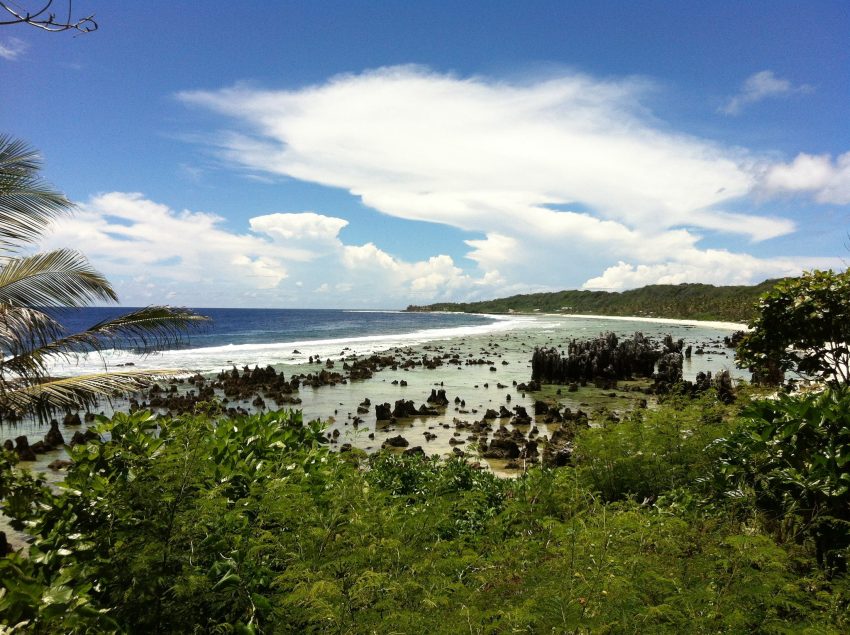
Nauru is a tiny island nation in the central Pacific Ocean, known for its compact size and distinct coral landscape. Encircled by a narrow coastal strip and a ring of reef, the island rises toward a rugged interior plateau marked by limestone pinnacles and sparse vegetation. Its tropical climate brings warm temperatures year-round, with wetter and drier seasons shaping daily life and the natural environment.
Despite its small footprint, Nauru has a strong sense of community and a culture rooted in family ties, local traditions, and island hospitality. English is widely used alongside Nauruan, and everyday life centers on close-knit neighborhoods, shared events, and the rhythms of the sea. Fishing, coastal activities, and community gatherings remain important parts of how people connect with one another and their surroundings.
Visitors and readers often notice Nauru’s quiet, unhurried pace and its striking contrast between ocean views and the island’s stark interior. Practical life on Nauru reflects the realities of a remote island-limited land, imported goods, and a focus on making the most of local resources. Whether you’re interested in geography, culture, or small-island living, Nauru offers a distinctive snapshot of Pacific island identity in a uniquely compact setting.
Table of Contents
- History of Nauru
- Before European contact
- 1798–1888: First European encounters and growing outside influence
- 1888–1914: German annexation
- 1900–1914: Phosphate discovery and the start of mining
- 1914–1942: Australian administration under a League of Nations mandate
- 1942–1945: Japanese occupation and wartime deportations
- 1947–1968: UN trusteeship and the road to independence
- 1968–1989: Independence and the phosphate boom
- 1990s–2000s: Resource decline, financial strain, and new revenue strategies
- 2001–present: Regional geopolitics, governance challenges, and adaptation
- Best Time to Visit Nauru
- Food and Drink from Nauru
History of Nauru
Nauru’s history is shaped by long Indigenous settlement, abrupt colonial takeover, intensive phosphate mining, and the challenges of sustaining a small island state after its primary resource declined.
Before European contact
Nauru was settled by Micronesian and Polynesian peoples centuries ago, developing distinct clans and chiefly authority, with livelihoods based on fishing, coconut and pandanus cultivation, and reef and lagoon resources. Social life was organized around kinship and land, with land parcels central to identity and inheritance.
1798–1888: First European encounters and growing outside influence
European contact is commonly dated to 1798, when a British ship sighted the island and called it “Pleasant Island.” Over the 19th century, visiting whalers and traders brought new goods and diseases and intensified local conflict, including the introduction of firearms. These disruptions weakened traditional structures and increased dependence on imported items.
1888–1914: German annexation
Germany annexed Nauru in 1888, incorporating it into its Pacific possessions. Colonial administration imposed order after periods of violence, restricted firearms, and expanded copra trade. While German rule was relatively light in administrative footprint, it marked the start of formal foreign control over land and governance.
1900–1914: Phosphate discovery and the start of mining
A pivotal turning point came with the identification of rich phosphate deposits around 1900. Mining began soon after under foreign enterprise, rapidly transforming the island’s economy and landscape. Phosphate—used globally for fertilizer—became the island’s dominant industry, setting the pattern of an extractive economy controlled largely by external interests.
1914–1942: Australian administration under a League of Nations mandate
At the outset of World War I, Australian forces occupied Nauru. After the war, Nauru became a League of Nations mandate administered by Australia, with Britain and New Zealand sharing interests in phosphate through a joint arrangement. Mining expanded substantially, and the island’s interior began to be stripped into jagged limestone pinnacles, reducing arable land and reshaping settlement patterns.
1942–1945: Japanese occupation and wartime deportations
During World War II, Japan occupied Nauru. The population endured severe hardship, including bombardment, shortages, and forced labor. Many Nauruans were deported to Chuuk (Truk) in Micronesia, where conditions were harsh and deaths occurred. Survivors returned after the war to an island heavily damaged and disrupted.
1947–1968: UN trusteeship and the road to independence
After World War II, Nauru became a United Nations trust territory administered by Australia (again with British and New Zealand involvement). Political organization and demands for self-government grew, driven by the desire to control phosphate revenues and land. Nauruans pressed for greater autonomy and for a future not dominated by external mining interests.
1968–1989: Independence and the phosphate boom
Nauru achieved independence in 1968. Soon after, it gained control of phosphate operations, and revenues surged. For a time, Nauru became one of the world’s highest per-capita income countries. The government expanded public services and invested abroad through a national trust, aiming to convert finite phosphate wealth into long-term prosperity.
1990s–2000s: Resource decline, financial strain, and new revenue strategies
As phosphate reserves dwindled and costs rose, income fell sharply. Some overseas investments performed poorly, and the state faced mounting financial pressure. Nauru sought alternative revenue sources, including hosting foreign facilities and services. The island also confronted the accumulating environmental legacy of mining: a largely uninhabitable interior and limited land for housing and agriculture.
2001–present: Regional geopolitics, governance challenges, and adaptation
In the 21st century, Nauru’s strategic position and economic needs led it into renewed partnerships, particularly with Australia, including arrangements connected to migration and asylum processing. Domestically, politics has often been fluid, with frequent changes in parliamentary alignments and leadership. Nauru continues to manage the long-term consequences of phosphate extraction, pursue rehabilitation of mined lands where feasible, and address climate and development pressures typical of small island states—limited freshwater, constrained space, reliance on imports, and vulnerability to external economic shocks.
Today, Nauru remains a sovereign microstate whose modern history is inseparable from phosphate: the resource that financed independence-era prosperity and left enduring environmental and economic challenges once it declined.
Best Time to Visit Nauru
Visiting Nauru in Summer (December–February)
Summer in Nauru is typically hot, humid, and wetter, with a higher chance of heavy showers and occasional storms. It’s a good time to visit if you don’t mind tropical rain and prefer fewer crowds, but plan for flexible outdoor activities. Expect warm sea temperatures for swimming and snorkeling, with visibility sometimes reduced after rain.
Visiting Nauru in Autumn (March–May) (Best)
Autumn is often one of the most comfortable times to visit Nauru, as conditions can be slightly less humid than peak wet-season months while still staying warm and beach-friendly. Rainfall generally begins to ease, making it easier to plan lagoon time, coastal walks, and inland exploration. If you’re aiming for a balance of good weather and reliable ocean time, this is usually the strongest all-around window.
Visiting Nauru in Winter (June–August)
Winter in Nauru is still warm, but it’s commonly a bit drier and less humid, which can make day-to-day sightseeing more comfortable. This is a solid season for outdoor activities like exploring the island’s interior and coastline, with more predictable conditions for planning. If any national or community events are scheduled during your stay, winter’s steadier weather can make attending them easier.
Visiting Nauru in Spring (September–November)
Spring is a transition period as humidity and rainfall gradually build toward the wetter months. It can still be a very pleasant time to visit—warm, bright days are common—though showers become more frequent later in the season. This can be a good choice if you want generally favorable weather while arriving before the wet season fully ramps up, and it’s also a nice time to look out for local cultural celebrations if they coincide with your travel dates.
Food and Drink from Nauru
Nauru’s food and drink reflect its small size, limited farmland, and long history of relying on the sea. Traditionally, islanders drew much of their diet from fishing and coastal gathering, with reef fish and other seafood forming a central part of everyday meals. Cooking methods were often simple and practical—grilling, roasting, or boiling—designed to make the most of what could be caught or collected locally. Coconut, where available, added richness and flavor, and meals tended to be built around fresh, straightforward ingredients.
Seafood remains an important feature of Nauruan eating, with fish commonly prepared in ways that highlight its natural taste. Tuna and other pelagic fish are valued when available, alongside reef species caught closer to shore. Fish may be served with rice or other starches, and it’s not unusual for meals to combine local catch with imported pantry staples. Because the island’s interior has been heavily affected by mining and arable land is scarce, locally grown produce is limited, making imported foods a major part of the modern diet.
Contemporary food in Nauru is shaped strongly by imports, including rice, flour, canned meats and fish, instant noodles, and packaged snacks. These items are convenient and shelf-stable, which suits a remote island dependent on shipping, but they also mean that many households eat a mix of traditional seafood-based dishes and highly processed foods. Community gatherings and celebrations may feature larger shared meals, where whatever is available—fresh fish, roasted meats, rice dishes, and sweet baked goods—can appear side by side.
Drinks in Nauru range from simple daily staples to widely consumed commercial beverages. Coconut water can be enjoyed when coconuts are on hand, while tea and coffee are common in many homes. At the same time, soft drinks and other sweetened beverages are popular and readily found, reflecting the same import-driven food environment. Overall, Nauru’s food and drink culture is a blend of ocean-based tradition and modern reliance on shipped goods, shaped by geography, history, and what can be reliably supplied.